
There’s a version of sport that exists beyond fitness trackers and weekend 5Ks. A version where the activity itself is so fundamentally unusual, so physically committed, so far outside the coordinates of normal human behaviour that finishing it changes something about you permanently. Not metaphorically. Actually.
This is that list.
We’re not talking skydiving, although skydiving is, for the record, brilliant. We’re talking about sliding down an active volcano on a wooden board. Standing on a wire stretched between two mountain peaks. Surfing a wave so large it has its own weather system. Swimming between two tectonic plates. The sports that exist at the absolute edge of what the human body and mind will agree to do, in the most extraordinary locations on earth.
Ten of them. All bookable. None of them require you to be a professional athlete. All of them require you to commit to the flight.
1. Volcano boarding, Cerro Negro, Nicaragua
Where: León, Nicaragua · Difficulty: moderate · Cost: from ~$30
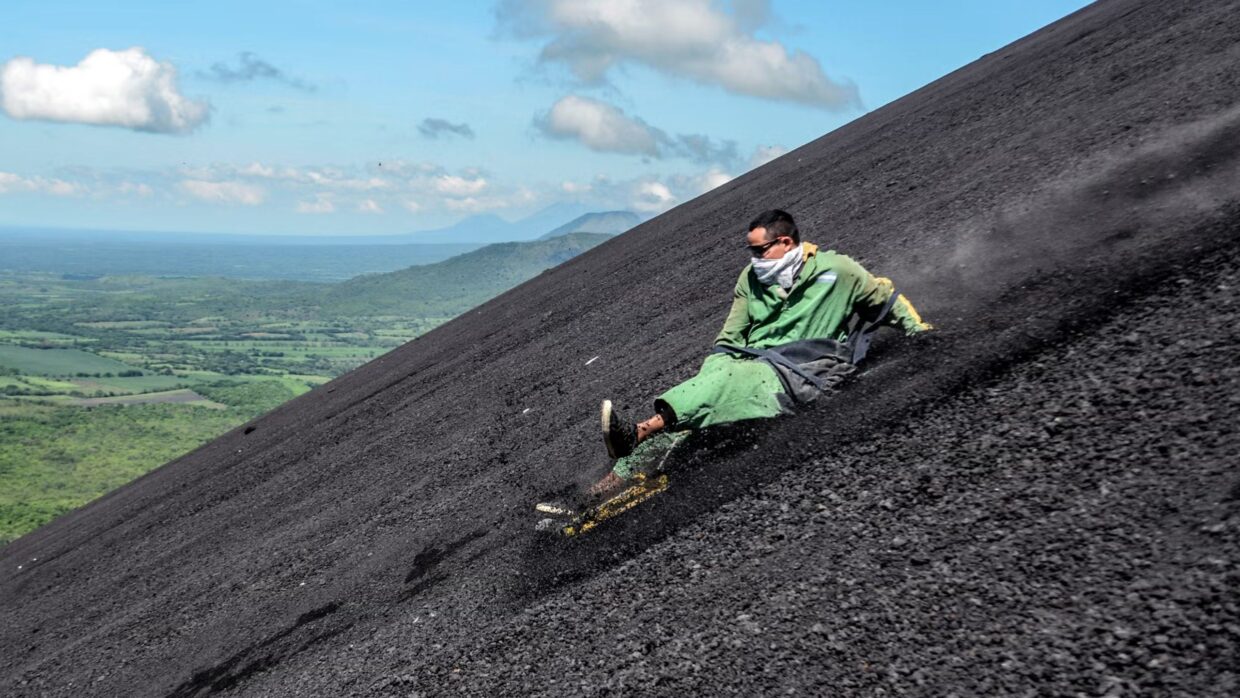
Cerro Negro is the youngest volcano in Central America, and its height, surface consistency, and accessibility make it the only volcano in the world where you can safely experience volcano boarding. The concept is exactly what it sounds like, you hike to the summit of an active volcano in a protective jumpsuit, sit on a wooden board, and ride down the black volcanic ash and gravel at speeds that can reach 100 km/h.
Volcano boarding was invented by an adventurous Australian who experimented with different ways to descend Cerro Negro, from mattresses to refrigerator doors, before landing on the wooden sled design used today. You control your speed with your feet as brakes, the harder you dig in, the slower you go. Most people go fast anyway.
Cerro Negro is the youngest volcano of Central America and one of the most active. Once at the top you can walk around the crater, feel the heat rising from the earth beneath your feet, and admire spectacular views of the surrounding volcano chain before sliding down the ash side.
The entire experience costs around $30 on a group tour from León, making it the most extraordinary thing you can do for the price of a restaurant dinner.
When to go: November to April, dry season. Early morning departures recommended to avoid the midday heat on the hike up.
Check Availability: Volcano boarding, Nicaragua
2. Big wave surfing, Nazaré, Portugal
Where: Praia do Norte, Nazaré, Portugal · Difficulty: extreme · Cost: spectating is free
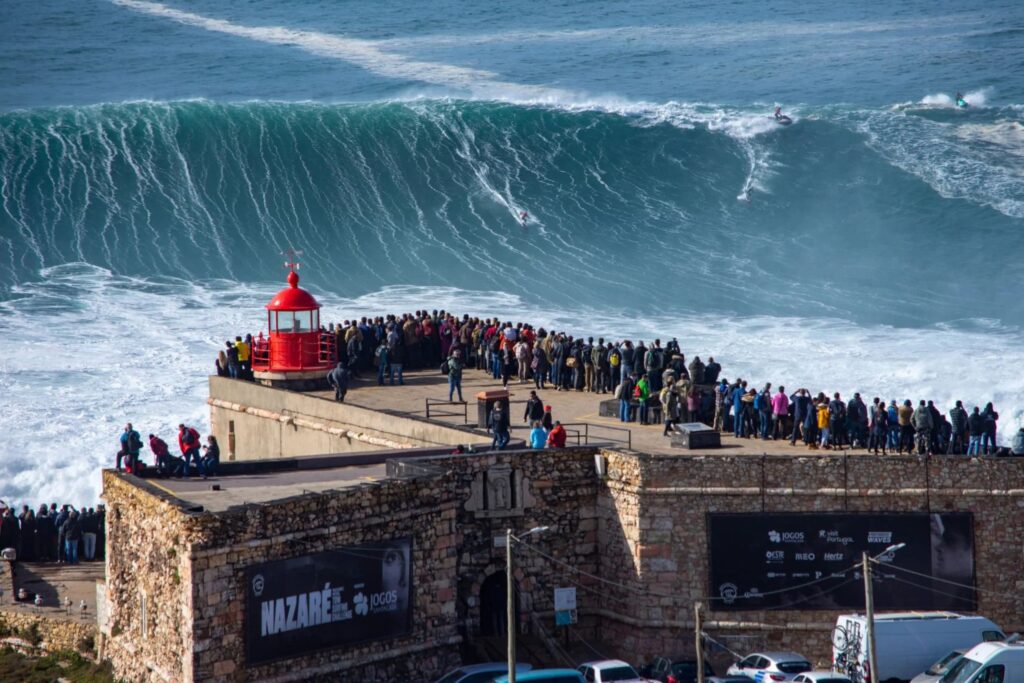
Hundreds of millions of non-surfers know about the towering and terrifying break of Praia do Norte in Nazaré, Portugal, the famous big wave has become a bucket list destination for people of all backgrounds. The waves here are amplified to extraordinary heights by an underwater canyon that funnels Atlantic swells into mountain-sized walls of water as they approach the lighthouse.
Sebastian Steudtner broke his own world record on February 24, 2024, with a wave height of 28.57 metres measured by a specially developed drone technique, surfed on a specially designed board capable of reaching speeds of more than 100 km/h.
You cannot paddle into these waves. The surfers are towed in by jet ski, released at the precise moment, and have approximately four seconds to get to their feet before a building-sized wall of water closes over them. The highest chance of seeing these waves occurs between November and February, best viewed from Praia do Norte close to the clifftop fort and lighthouse.
Standing on the cliff watching a wave detonate sixty feet below you is one of the great spectator experiences in world sport. Free to watch, impossible to forget.
When to go: November to March. The WSL issues 24-hour notices when competition conditions are forecast, follow @WSLBigWave and the Nazaré Waves site for alerts.
Check Availability: Big wave surfing, Portugal
3. Silfra fissure snorkeling, Iceland
Where: Þingvellir National Park, Iceland · Difficulty: low · Cost: from ~$100
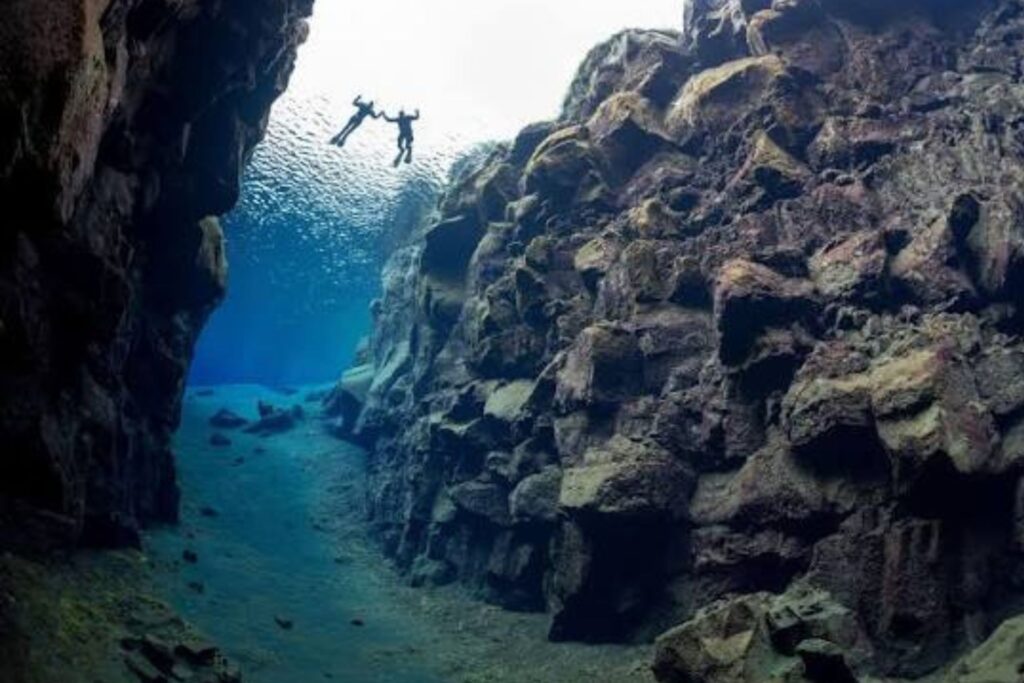
The Silfra Fissure is the rift between the Eurasian and North American tectonic plates, imagine floating in a giant diamond, over an underwater landscape millions of years in the making, where algae wafts like chiffon. The water temperature sits at a steady 2–4°C year-round, which is why you go in a dry suit rather than a wetsuit, and why the visibility reaches over 100 metres in every direction, glacially filtered through porous lava rock for decades before it rises here.
You are, in a literal geological sense, swimming between two continents. The gap between the plates is narrow enough to touch both walls simultaneously. The water is so clear that the 40-metre depth beneath you looks like 4.
It is extraordinary. It is also extremely cold. That part is non-negotiable.
When to go: year-round. The water temperature never changes. Summer adds long daylight hours for afternoon dives; winter adds the possibility of northern lights above the surface.
Check Availability: Silfra fissure snorkeling, Iceland
4. Highlining, Yosemite, USA / Lauterbrunnen, Switzerland
Where: multiple · Difficulty: extreme · Cost: gear intensive
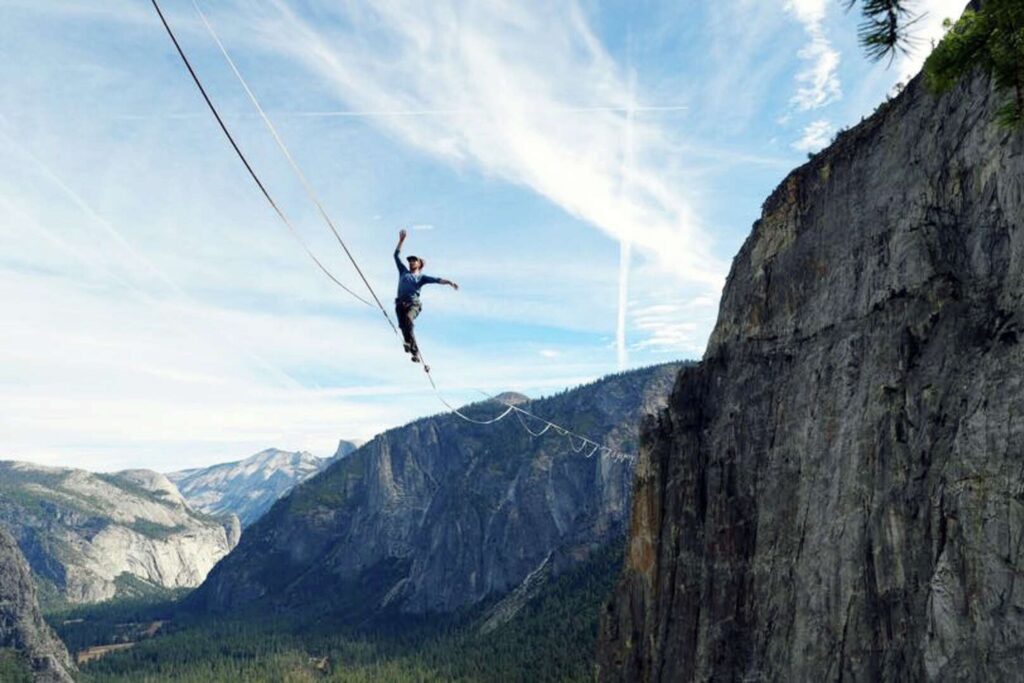
Highlining involves walking on a line fixed between two rocky formations or mountains at altitude, where sudden gusts of wind and the mental challenge are as formidable as the physical one. While participants can attach themselves to a safety harness, getting back on the rope if they fall is extremely difficult.
The line itself is a single length of flat webbing, roughly the width of a finger, tensioned between two anchor points that may be separated by anything from 30 to several hundred metres. The altitude varies from uncomfortable to genuinely terrifying. The physical act of balancing is achievable for most people with training. The psychological act of convincing your nervous system that this is acceptable is where the real sport happens.
Yosemite Valley’s granite walls are the heartland of the sport, with lines rigged between formations like El Capitan’s buttresses. The Swiss Alps above Lauterbrunnen, particularly the Eiger and Jungfrau area, provide some of the most visually dramatic settings on earth. The Moab desert in Utah offers year-round access for beginners looking to start lower and work up.
When to go: summer and early autumn for alpine locations. Moab is excellent March to May and September to November.
More information: Highlining, USA or Highlining, Switzerland
5. Wingsuit flying, Lauterbrunnen, Switzerland
Where: Lauterbrunnen Valley, Switzerland · Difficulty: elite · Cost: $15,000+ in training before you jump
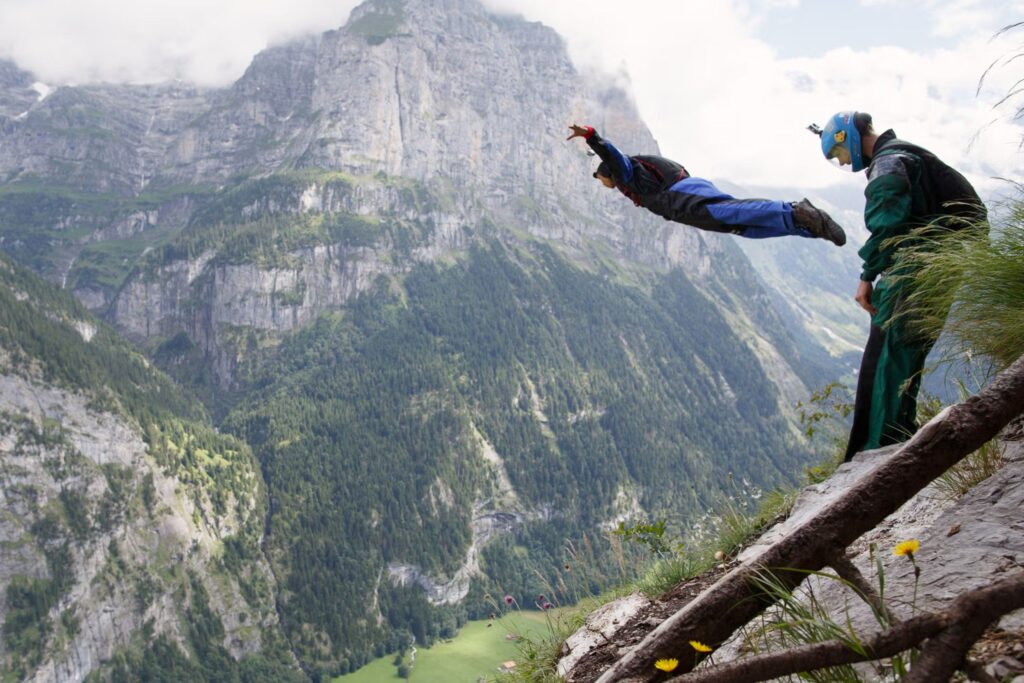
The entry bar here is deliberately honest: you need a minimum of 200 skydives before any reputable operator will allow you into a wingsuit. This is not a beginner sport. It is, however, the closest thing to human flight that currently exists outside of a spacecraft.
A wingsuit is a full-body suit with fabric panels between the arms and legs that generate lift, turning the human body into a glider capable of moving horizontally at 250 km/h. BASE wingsuit jumping, launching from a cliff face rather than a plane, reduces the available reaction time to seconds. Lauterbrunnen’s sheer valley walls and the proximity of Switzerland’s alpine peaks make it the global capital of the sport, attracting the world’s most experienced wingsuit pilots every summer.
You can watch from the valley floor, which is extraordinary. The tiny human-shaped objects launching from the Eiger’s north face and gliding the length of the valley before deploying parachutes is one of the great spectacles in adventure sport.
When to go: June to September for the Swiss Alps flying season. The valley itself is accessible year-round and worth visiting for the scenery alone.
Check Availability: Wingsuit flying, Switzerland
6. Cave diving, Yucatán Peninsula, Mexico
Where: Tulum and Playa del Carmen, Mexico · Difficulty: extreme · Cost: from ~$150 for guided intro dives
Cave diving is the most dangerous form of exploration, an incredible world awaits that is hard to find anywhere else on the planet for those willing to experience it, but the cave ceiling, claustrophobia, and the risk of getting lost in deep underwater cave systems make it the most technically demanding dive environment that exists.
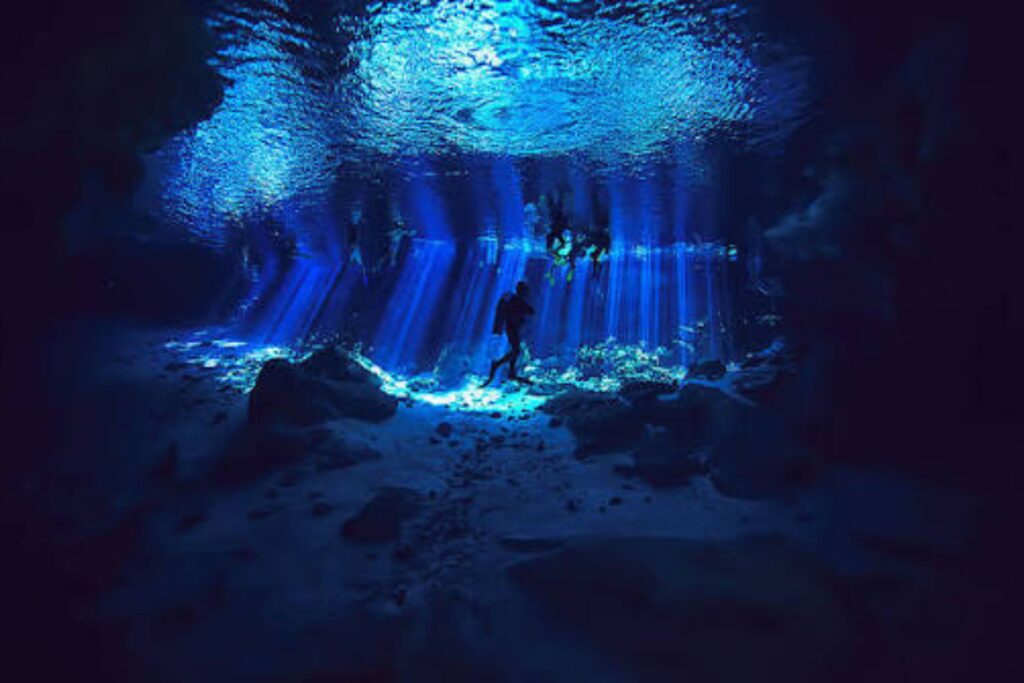
The Yucatán Peninsula sits above the world’s largest known underwater cave system, the Sac Actun, stretching over 370 kilometres of mapped passages through ancient flooded limestone. The cenotes that dot the jungle above ground are the entry points: natural sinkholes of extraordinary clarity, where freshwater and saltwater meet in a phenomenon called the halocline that creates the appearance of an underwater cloud.
Certified open-water divers can access the cavern zones, the areas of cenotes still within sight of the surface entrance, with a specialist guide and no cave certification required. The full cave system beyond requires additional training and certification. Both are extraordinary. The cavern experience alone, swimming through chambers where stalactites hang from the ceiling and natural light fractures into columns through the water, is unlike any diving available anywhere else on earth.
When to go: year-round. The water temperature is a constant 24°C. May to September is the quieter season with shorter queues at popular cenote access points.
Check Availability: Cave diving, Mexico
7. Bloukrans Bridge bungee, South Africa
Where: Bloukrans, Garden Route, South Africa · Difficulty: mental · Cost: from ~$100
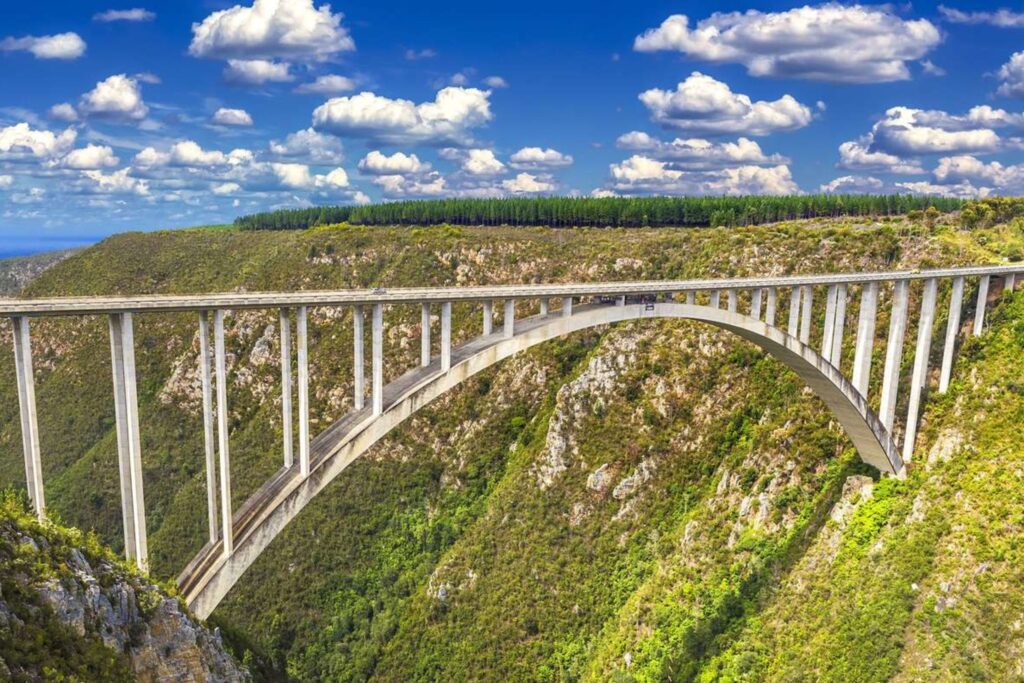
The Bloukrans Bridge in South Africa hosts the world’s highest commercial bridge bungee jump at 216 metres, a heart-stopping experience of free-falling towards the river below. For context, 216 metres is roughly the height of a 70-storey building. The free-fall lasts approximately four seconds before the cord arrests the descent. In those four seconds, the human body reaches speeds of approximately 140 km/h.
Unlike jumping from a plane, there is no intervening distance, no gradual transition into the experience. You stand on a platform attached to the underside of a functioning road bridge, look down at the Bloukrans river canyon far below, and jump. The Garden Route setting, one of the most beautiful stretches of coastline in the world, means the view, on the way down, is remarkable.
It is run by Bloukrans Bungee, the same operator that has run the jump since 1997 with an impeccable safety record. Over a million jumps have been completed from this bridge.
When to go: year-round. The jump operates daily. Book ahead during South African summer (December to February) when demand peaks.
Check Availability: Bloukrans Bridge bungee, South Africa
Search flights to South Africa
8. Ice plunging, Swedish Lapland
Where: Arjeplog, Swedish Lapland · Difficulty: breathtaking · Cost: from ~$50 as part of a spa experience
In Finland’s Levi, Norway’s Bodø, and Denmark’s coastal towns, teenagers up to octogenarians take icy dips on the regular. Devotees in cold regions around the world have long been immersing themselves in freezing water to reduce inflammation, build resistance, balance the nervous system and improve cognitive function and mood.
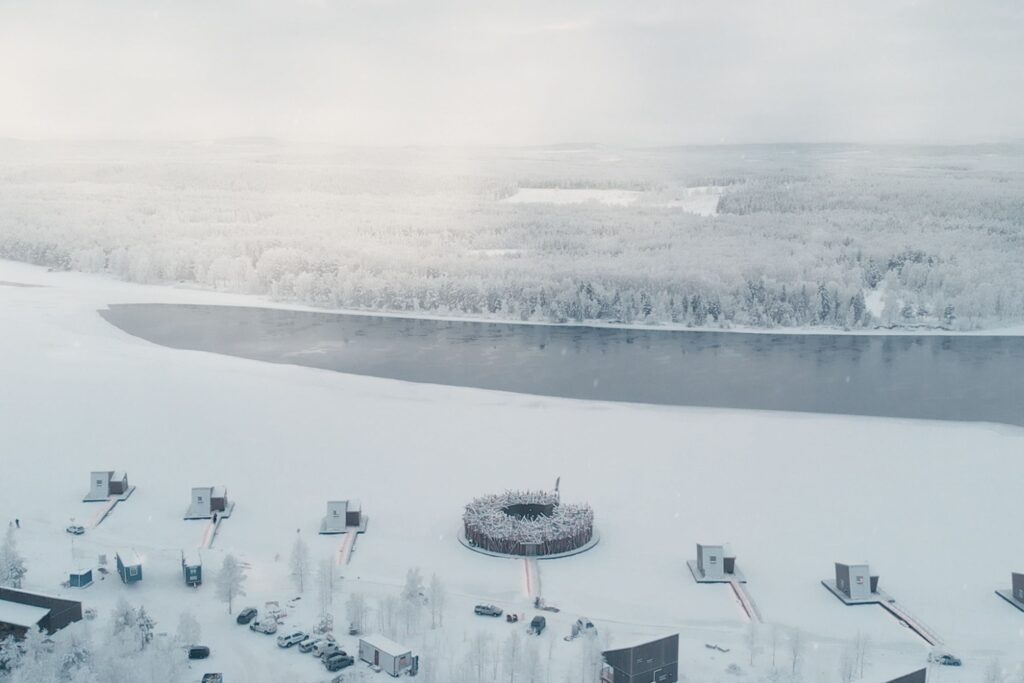
But the definitive version, the one worth flying for, is the Arctic Bath in Swedish Lappland. The midriver circular building resembles a bird’s nest and maintains an open-air ice pool cut directly into the frozen Lule River. In winter, the hotel floats on ice; in summer, on water. The surrounding Arctic forest, the total silence, and the contrast between the sauna’s extreme heat and the river’s extreme cold create a physical experience that is simultaneously the most uncomfortable and most euphoric thing most guests have ever done.
The science behind cold water immersion has shifted from wellness trend to medical research in recent years, with documented effects on cortisol levels, dopamine, and inflammatory response. The Arctic does it best.
When to go: December to March for ice plunging specifically. The river freezes reliably in December and the ice pool is maintained through the winter season.
Check Availability: Ice plunging, Swedish Lapland
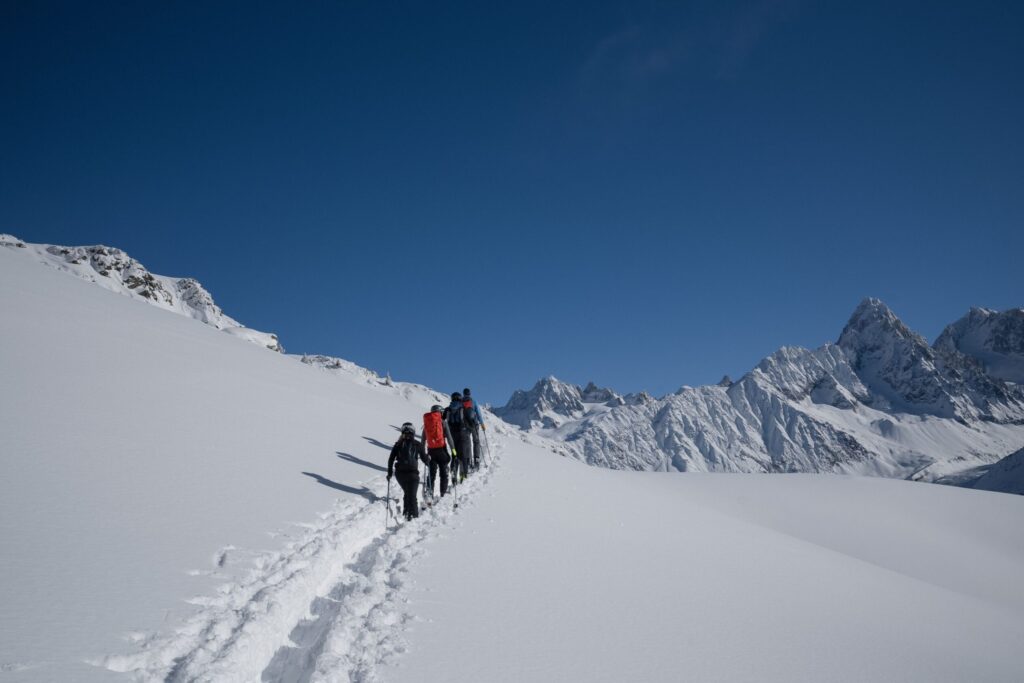
9. Ski mountaineering, Chamonix, France / Jackson Hole, USA
Where: multiple alpine locations · Difficulty: advanced · Cost: guide fees from ~$400/day
Ski mountaineering flips the script and starts by racing up a mountain on skis, then skiing back down. Depending on the course, ice axes, harnesses, ropes and crampons may come into play to dial up the challenge, and it has just been added to the 2026 Winter Olympics slate.
The sport combines cross-country fitness, mountaineering technique, and downhill skiing ability into a single pursuit that takes place in terrain most skiers will never access. The ascent, using climbing skins attached to ski bases, can cover thousands of metres of vertical gain through untracked snow, glaciers, and exposed ridgelines. The descent, on the same equipment, can include some of the most challenging off-piste terrain in the world.
Chamonix in France and Jackson Hole in Wyoming are the two great learning grounds, with experienced guides and skill-building clinics available for those who want to progress through the disciplines at their own pace. Both offer the additional draw of extraordinary mountain scenery that resort skiing simply cannot match.
When to go: February to April, when snowpack is established and daylight hours allow for longer tours.
Check Availability: Ski mountaineering, France or Ski mountaineering, USA
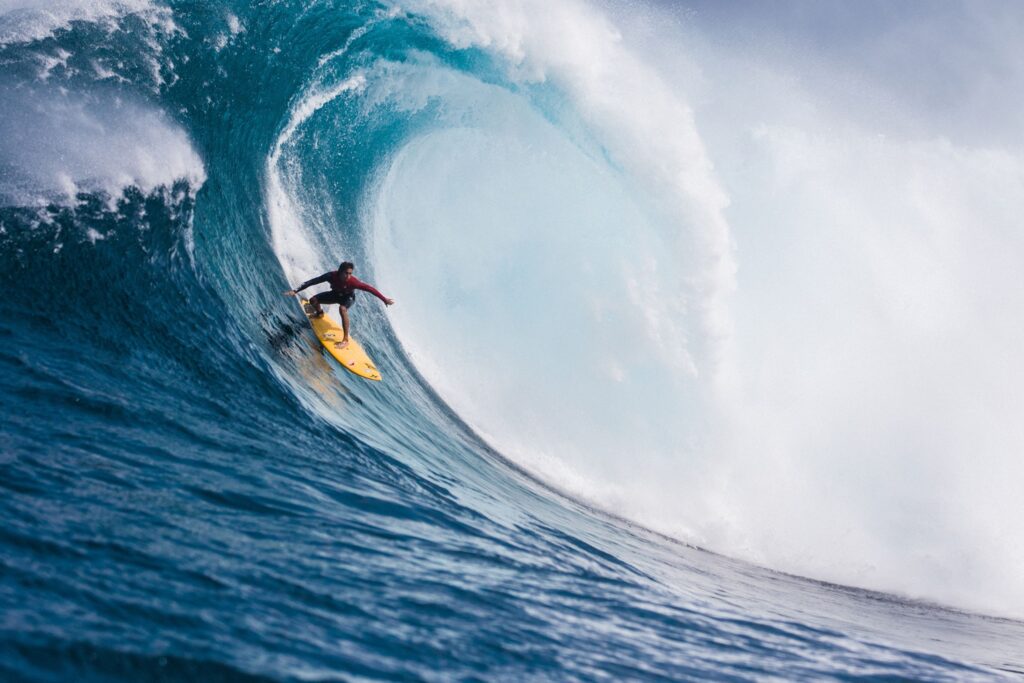
10. Tow-in surfing, Pe’ahi (Jaws), Maui, Hawaii
Where: Pe’ahi, Maui, Hawaii · Difficulty: elite · Cost: spectating free; participation requires pro-level experience
The counterpart to Nazaré on the other side of the world. Pe’ahi, known universally as Jaws, breaks on a shallow reef off Maui’s north shore in a way that produces waves of 40 to 70 feet with such speed and power that paddling into them is physically impossible. Tow-in surfing is the advanced form where surfers ride waves 30 to 80 feet high, towed by jet ski to build enough speed. Very few surfers in the world can master this because of the risks involved, if you don’t surf faster than the wave, it will close over you completely.
The spectator experience at Jaws, on days when the swell is running, is comparable to Nazaré, primal, humbling, and genuinely difficult to process in the moment. The cliff above the break provides the vantage point. The sound arrives before the wave is fully visible.
Jaws runs on big northwest swells typically between November and March. Unlike Nazaré, there is no formal competition structure, so the days the world’s best big wave surfers appear here depend entirely on the ocean.
When to go: November to March. Follow the Surfline and Magic Seaweed forecasts for Pe’ahi swell alerts. Local helicopters and charter boats offer viewing access on big days.
Check Availability: Tow-in surfing, Pe’ahi
How these compare
| Sport | Location | Barrier to entry | The defining moment |
|---|---|---|---|
| Volcano boarding | Nicaragua | Low – anyone can do it | Sliding down an active volcano at 100 km/h |
| Big wave surfing | Portugal | Spectate for free | A 28m wave the size of a building |
| Silfra snorkelling | Iceland | Low – guided intro available | Swimming between two continents |
| Highlining | USA / Switzerland | High – requires training | Walking a finger-width wire above a valley |
| Wingsuit flying | Switzerland | Elite – 200 jumps minimum | Flying at 250 km/h through an alpine valley |
| Cave diving | Mexico | Moderate – guided cavern dives available | Stalactites in 100m visibility underwater |
| Bloukrans bungee | South Africa | Low – anyone can jump | 216 metres. Four seconds. 140 km/h. |
| Ice plunging | Sweden | Low – guided experience | Dropping into a frozen Arctic river |
| Ski mountaineering | France / USA | Advanced – guide required | Descending a glacier no lift has ever reached |
| Tow-in surfing | Hawaii | Elite – spectating recommended | A 60-foot wave, a jet ski, and four seconds |
A note on safety
Every sport on this list carries genuine risk. Volcano boarding, Silfra snorkelling, ice plunging, and Bloukrans bungee are the most accessible and operate under well-established safety protocols with guided operators. Cave diving, wingsuit flying, highlining, and tow-in surfing require either significant prior experience, professional instruction, or both before participation.
The practical recommendation for most of these: book through established, well-reviewed local operators rather than piecing together your own arrangement. The guides who operate these experiences daily are the safeguarding infrastructure that makes them survivable, and on this list in particular, the quality of your guide is not a detail, it’s the deciding factor.
Some links in this post are affiliate links. If you book through them, flight.now earns a small commission at no extra cost to you. Learn more here