The first time you encounter a wellness treatment that genuinely unnerves you, something shifts. Not because it hurts, necessarily, though some of these do, a little. But because the unease of being buried in volcanic sand, or lowered into a pod of total silence, or sat across from a shaman in a sweat lodge at midnight in the Mexican jungle, is itself the point. This is wellness at the outer edge – where the experience is so far outside your comfort zone that the recovery feels like a genuine reset.
The global wellness industry was valued at $6.8 trillion in 2024, according to the Global Wellness Institute, with wellness tourism accounting for $894 billion of that. The number of travellers building entire trips around a single extraordinary treatment – a sand bath in Japan, a cacao ceremony in Peru, a biohacking clinic in Switzerland – is growing faster than any other segment of travel. The treatments on this list are the reason why.
Nine of them. All genuinely strange. All worth building a trip around.
1. Suna-mushi sand bathing – Ibusuki, Japan
Where: Ibusuki, Kyushu, Japan · From: 1,500 yen (~10 euros) · Time needed: 30-45 minutes
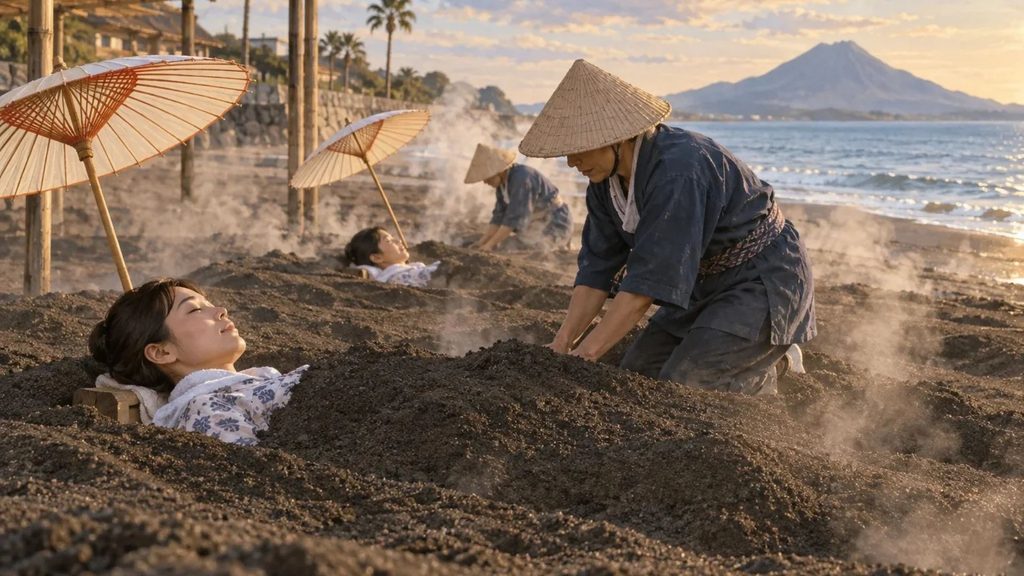
The photographs make it look like a crime scene. Rows of bodies buried up to the neck in dark volcanic sand, only the heads visible, each shaded by a small parasol. The reality, once you’re in it, is something else entirely.
Suna-mushi has been a tradition in Ibusuki since the Edo period, practised by those seeking a cure for anything from rheumatism to asthma, anaemia, and diabetes. The warm, dark sands of Ibusuki are composed of an intense infusion of minerals from volcanic hot springs, and a study by Kagoshima University revealed that inhaling the steam improves blood circulation three to four times better than average hot springs.
The process is straightforward. You change into a yukata robe – nothing underneath, the volcanic steam needs to transfer directly to skin – and an attendant shovels hot sand over you until only your head remains exposed. It’s a sensation that feels somewhat like a weighted blanket, with tiny grains covering the entire body for 10 to 20 minutes, while the sound of crashing waves provides complimentary sound therapy from nature itself. The sand temperature reaches 50 to 55 degrees Celsius. You sweat immediately. You also, fairly quickly, stop caring about anything at all.
Suna-mushi dates back some 300 years in Ibusuki, when samurai warriors used it to treat sword wounds sustained in battle. It’s now believed to aid conditions including musculoskeletal, joint, and nerve pains by increasing circulation, aiding detoxification, and reducing inflammation.
The most accessible facility is Saraku Sand Bath Hall on the Ibusuki waterfront, open to the public and walkable from Ibusuki Station. The Ibusuki Hakusuikan hotel offers a more private indoor version for guests. After the sand bath, a traditional onsen soak in the geothermal spring water completes the experience. Very few international visitors reach the southern tip of Kyushu. That is entirely their loss.
When to go: year-round, though the open-air beach version is best avoided in heavy rain. Arrive early – it can get busy during Japanese holiday periods.
2. Soaking in sake, wine and coffee – Yunessun Spa, Hakone, Japan
Where: Hakone, Kanagawa Prefecture, Japan · From: approximately 2,500 yen for day access
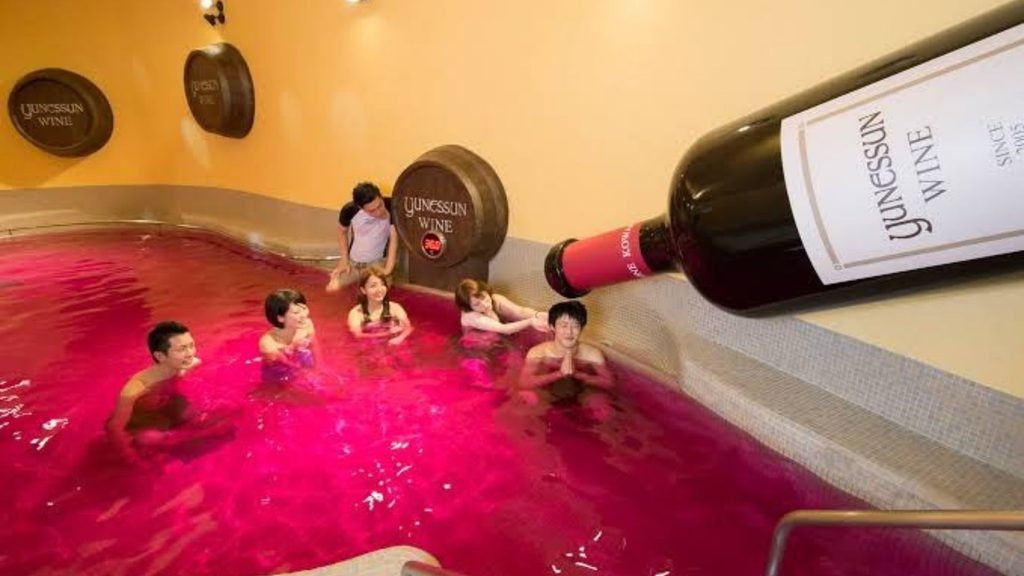
Approximately 90 minutes from Tokyo by train, at 600 metres above sea level in the Hakone mountains, there is a spa where you can soak in pools of sake, red wine, coffee, green tea, or ramen broth. This is a real place. The sake bath is said to be beneficial for the skin. Believers swear that a soak in sake prevents age spots forming, and others get a kick out of the heady fumes.
Hakone Kowakien Yunessun is set in Hakone and beautifully merges playful themed baths with authentic Japanese onsen traditions. The facility has two main sections: YUNESSUN (swimsuit required), and Mori no Yu, a traditional onsen area. The YUNESSUN area features wine, coffee, green tea, and sake-themed baths across both indoor and outdoor pools.
The red wine bath comes with a three-and-a-half-metre decorative wine bottle from which staff periodically pour actual wine into the pool. The coffee bath uses low-temperature Nel Drip-style brewed coffee said to have recharging and skin-beautifying effects. The green tea pool is flanked by an enormous two-metre teapot. Visitors who have spent time here report trying rose springs, sake springs, ramen springs, dessert springs, beer springs, and coffee springs in a single session.
The Mori no Yu section, if you want to follow the absurdity of the sake pool with something more contemplative, offers traditional outdoor onsen baths with mountain views. The two experiences together – the theatrical and the meditative – make for one of the more complete spa days available anywhere in Japan.
When to go: spring (March to May) and autumn (September to November) offer the most pleasant temperatures for outdoor baths. Weekdays are significantly less crowded than weekends. Take the JR Tokaido Line to Odawara, then the Hakone Tozan Bus to Kowakien.
3. Temazcal Ceremony – Riviera Maya, Mexico
Where: Riviera Maya, Quintana Roo, Mexico · From: approximately $80-150 per person
This is the one that stays with people longest. Not because it is the most dramatic on the list – though it is intense – but because it is the most difficult to explain afterwards to people who weren’t there.
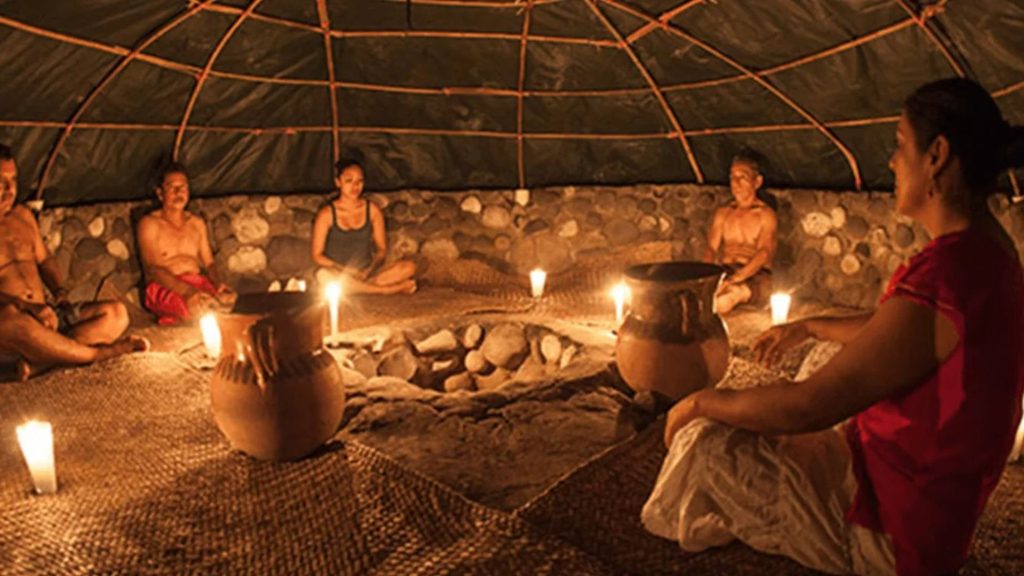
The temazcal is a centuries-old ritual reintroduced to modern travellers at Mexico’s luxury wellness hotels. Taking place in an igloo-shaped sweat lodge, water is poured over hot volcanic rocks mixed with herbs to produce a cleansing, aromatic steam. A traditional Mayan shaman guides participants through a ceremony of gratitude and rebirth for a deeply physical, mental and spiritual detoxifying cleanse.
The lodges are small, dark, and extremely hot. The ceremony typically runs in four rounds, each corresponding to a cardinal direction and a different intention – gratitude, release, healing, rebirth. Between rounds, the entrance flap opens briefly and cool air rushes in. Then it closes again. This continues for roughly two hours. By the third round, most participants report losing track of time entirely.
The Riviera Maya is the most accessible location, with temazcal ceremonies offered at numerous luxury resorts including Palmaïa, Azulik, and several eco-retreat properties along the Caribbean coast. The ceremony is far more culturally embedded than a standard spa treatment – it is a ritual with indigenous Mayan roots that predates European contact by centuries, and the quality of the shaman leading the ceremony matters enormously. Ask about their background and training before booking.
When to go: year-round. November to April is Mexico’s dry season and the most comfortable time to travel. Many resorts require advance booking for temazcal ceremonies as group numbers are limited.
4. Cacao ceremony – Amazon River, Peru
Where: Amazon River, Peru / various · From: approximately $50-120 per person
Raw ceremonial cacao – not chocolate, not cocoa powder, but the pure paste of the Theobroma cacao bean, the same plant Mesoamerican civilisations used in ritual for thousands of years – produces a subtle but unmistakable shift in awareness. The heart rate increases slightly. The mood lifts. The mind becomes, for lack of a better word, more available.
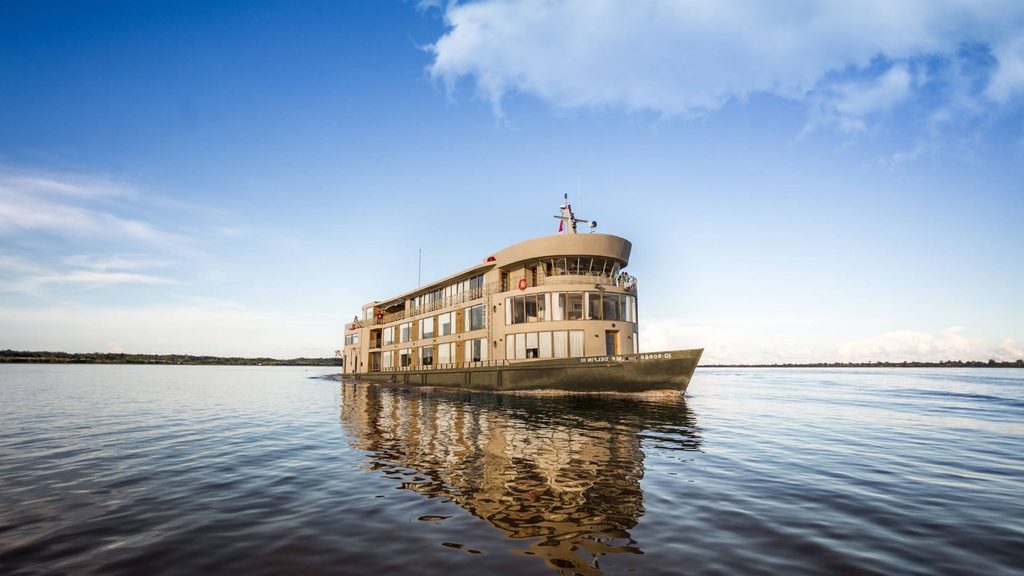
The ritual of cacao begins by sharing the drink as a group, forging a sense of connection and community, before moving on to a group experience such as guided meditation, dance, or a sound bath. Sharing this intimate ritual in a sacred space can help participants gain clarity, new perspectives and inspiration. Delfin Amazon Cruises offers the experience on the Amazon River itself, which is the most extraordinary setting available.
Cacao ceremonies have spread well beyond their Peruvian and Mesoamerican origins – they’re now offered at wellness retreats from Bali to Byron Bay – but the quality of the experience depends almost entirely on the intention behind it. A ceremony led by a trained practitioner with genuine roots in the tradition is a profoundly different experience from a wellness resort add-on. The Peruvian Amazon remains the most culturally authentic setting, and a guided river cruise that incorporates a properly conducted ceremony alongside jungle immersion is one of the most unusual and genuinely moving wellness experiences currently available anywhere.
When to go: May to October is the dry season in the Peruvian Amazon, when river levels are lower and wildlife is more concentrated around water sources.
5. Apitherapy (bee sting therapy) – various locations
Where: specialist practitioners globally, notably South Korea, Romania, New Zealand · From: approximately $50-100 per session
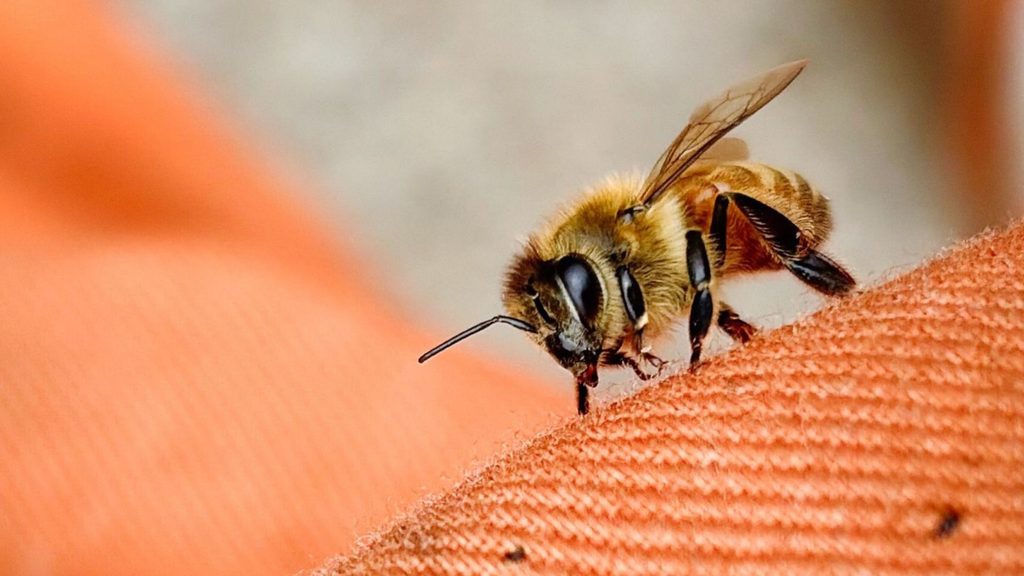
Before you close the page: this is not a fringe pursuit. Also known as apitherapy, this involves letting live bees sting specific areas of the body. Bee venom contains anti-inflammatory compounds that may help with conditions like arthritis, nerve pain, and autoimmune diseases. The practice has been documented in use for over three thousand years, appears in Ancient Egyptian medical texts, and is currently the subject of serious clinical research for its potential applications in treating multiple sclerosis, Parkinson’s disease, and chronic inflammation.
The way it works: a practitioner uses tweezers to place a live bee on a specific acupuncture point, allowing it to sting before removing both the bee and the stinger. Each sting delivers melittin, the active compound in bee venom, directly into the skin. Practitioners typically start with one or two stings and build up gradually. The sensation is, by most accounts, less unpleasant than the anticipation of it suggests.
South Korea has the most developed tradition of medical apitherapy, with licensed practitioners operating across the country. Romania’s bee farming communities have been practising apitherapy for generations. New Zealand’s Manuka honey specialists have more recently developed structured programmes around the treatment. It is not for anyone with a bee allergy. For those without one, it is one of the most evidence-backed unconventional treatments on this list.
A note on booking: always go through a qualified practitioner rather than attempting this independently. Reputable apitherapy clinics will conduct an allergy test before any session begins.
6. Snake massage – Java, Indonesia
Where: Bali and Java, Indonesia / specialist providers globally · From: approximately $30-60 per session
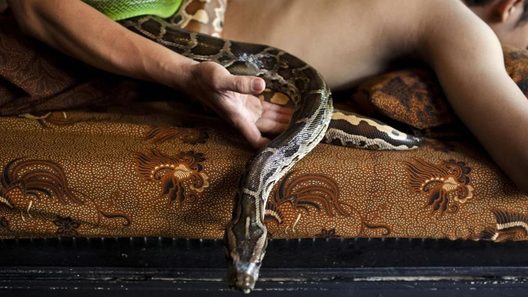
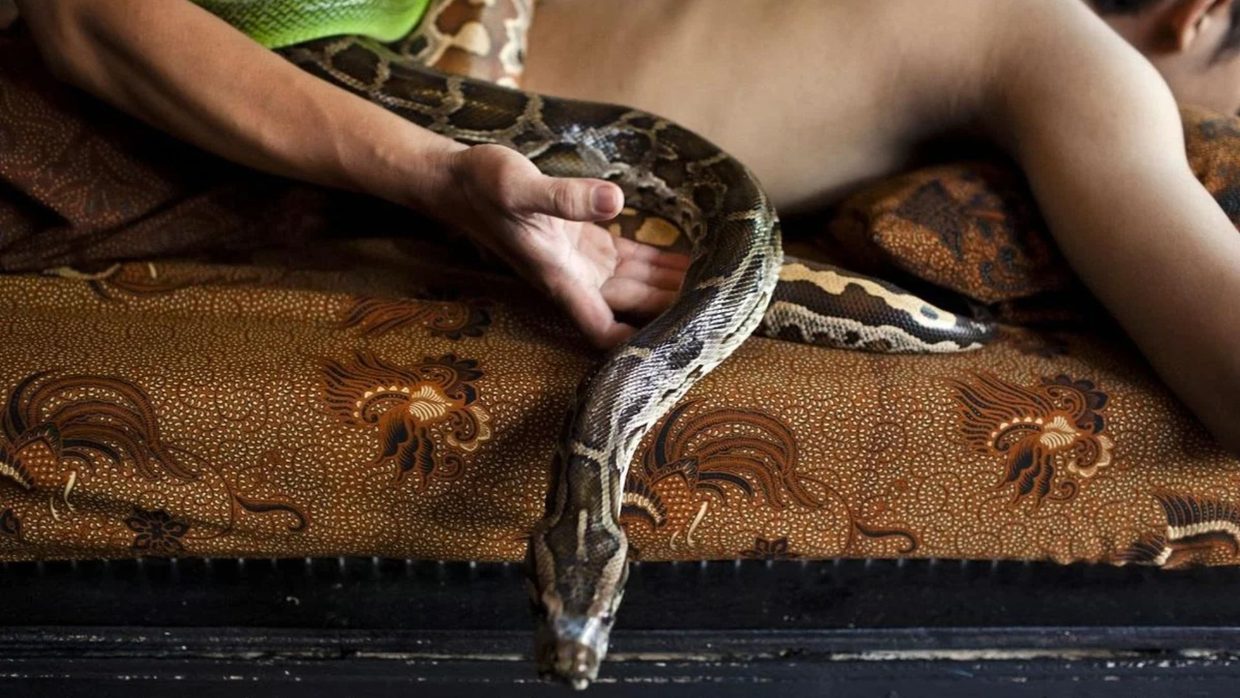
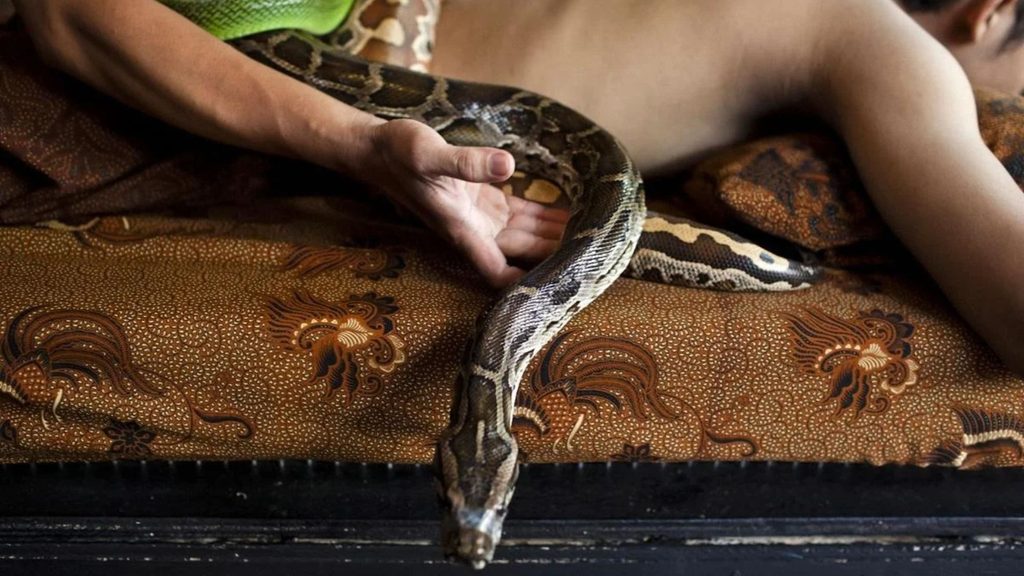
The snakes are non-venomous. This is the first thing every practitioner says, and also the first thing every guest asks. The snakes used – typically pythons or king snakes, in some cases corn snakes for smaller-bodied treatments – are selected for calm temperament, handled daily, and comfortable with human contact. None of this entirely removes the surreality of lying face-down while a three-metre python works its way across your shoulders.
Proponents say the snakes’ slithering provides a form of deep tissue massage and helps relieve stress and anxiety. The movement of the reptiles across the skin is thought to have a calming, therapeutic effect, with the muscular contractions as they move providing genuine pressure along the back and shoulders.
The most established providers are in Java and Bali, where the treatment has been offered for long enough that it has its own loose set of conventions – duration, snake selection, the level of handling involved. Outside Indonesia, snake massage is available at specialist providers in Israel, the Philippines, and more recently at a handful of US wellness centres. The testimonials from those who have tried it are consistently surprised by how quickly the initial anxiety gives way to something closer to genuine relaxation. The primal alarm system quiets. The snakes, it turns out, are warm.
When to go: Bali is best visited April to October during the dry season. The experience is available year-round, though check with individual providers about availability as these sessions are typically limited.
7. Sensory deprivation flotation – worldwide
Where: specialist float centres globally · From: approximately $50-100 per 60-90 minute session
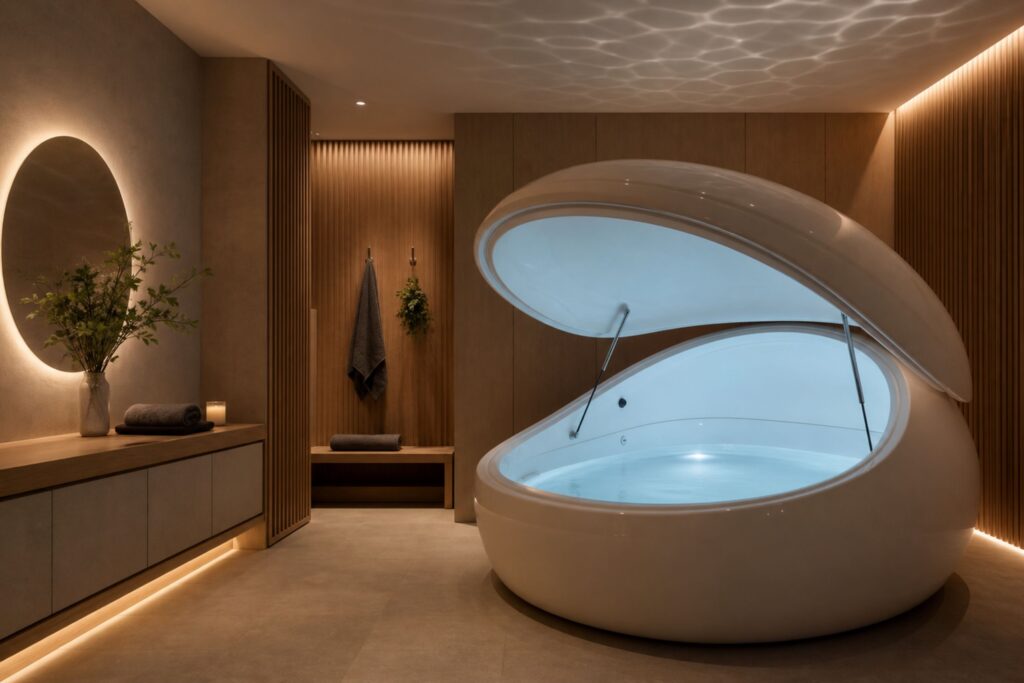
Technically called Restricted Environmental Stimulation Therapy, the experience involves entering a pod filled with epsom-salted water and, when the lights turn off, experiencing a host of unusual sensations. In the first few minutes of floating in complete darkness and silence, you may panic, hallucinate, feel disassociated from your body, or hear music that your brain generates. But after the initial uneasiness subsides, you relax in a way you have probably never felt before. Flotation therapy has been documented to treat insomnia, depression, anxiety, and stress.
The science behind it is straightforward: the epsom salt concentration (roughly 500kg dissolved in shallow water) makes the human body perfectly buoyant with zero effort, removing all proprioceptive sensation. The darkness removes visual input. The silence removes auditory input. What remains, after 15 to 20 minutes of adjustment, is an unusually quiet version of your own consciousness. Regular users describe it as the only circumstance in which the brain truly stops processing external data and turns its full attention inward.
The treatment is now available at dedicated float centres in most major cities worldwide – REST float centres in the US, Floatworks in London, and Float House across Canada are among the most established. For the most immersive version of the experience, float centres that use individual rooms rather than pods, and that offer 90-minute rather than 60-minute sessions, deliver a notably different depth of experience.
Worth knowing: the first session is typically the least profound as the brain requires time to learn how to stop monitoring the environment. Regular floaters report that the second and third sessions are significantly more interesting than the first.
8. Korean kiln sauna (Jjimjilbang) – South Korea
Where: nationwide, South Korea · From: approximately 10,000-15,000 KRW (~7-10 euros) for full access
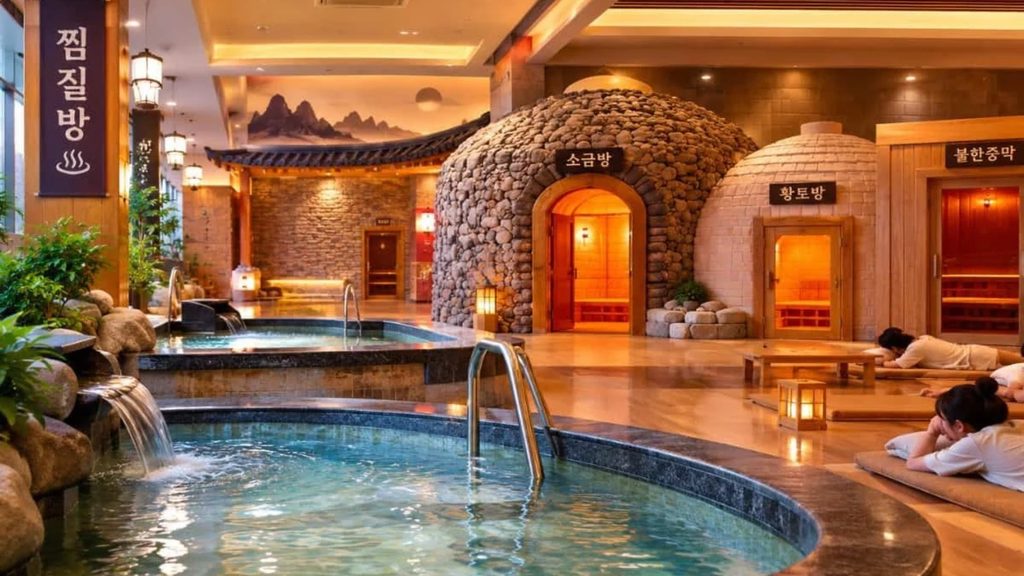
A Korean han-jeung-mak might test even the most seasoned sauna connoisseur. In between steam rooms and a punishing round of exfoliation, guests break a sweat in the kiln sauna – alarmingly similar to an oven in appearance, this intensely heated dome uses burning wood and charcoal to heat the room, a style which has barely changed in 500 years.
The full jjimjilbang experience – which is what you’re really after – extends far beyond the kiln sauna into a whole-night institution. Most jjimjilbang in South Korea are open 24 hours, charge a flat entry fee that covers access to all facilities, and are genuinely used by locals for overnight stays. The experience moves between hot and cold rooms of varying temperatures, dry and wet heat, communal sleeping areas spread with warm floors, and food stalls selling boiled eggs and rice punch at 3am.
The kiln sauna itself – the han-jeung-mak – is the centrepiece. Clay or stone dome construction, temperatures well in excess of conventional saunas, and the smell of burning oak create an experience that operates on a different register entirely from anything available in Western wellness. Dragon Hill Spa in Seoul is the most famous and internationally accessible, but any neighbourhood jjimjilbang in Seoul, Busan, or beyond offers the same essential experience at a fraction of tourist pricing.
When to go: year-round. South Korea’s winters make the jjimjilbang particularly compelling between November and February. Dragon Hill Spa in Seoul (Yongsan) is open 24 hours and easily accessible by subway.
9. Longevity biohacking clinic – Clinique La Prairie, Switzerland
Where: Clarens-Montreux, Lake Geneva, Switzerland · From: approximately CHF 35,000 for a week-long programme
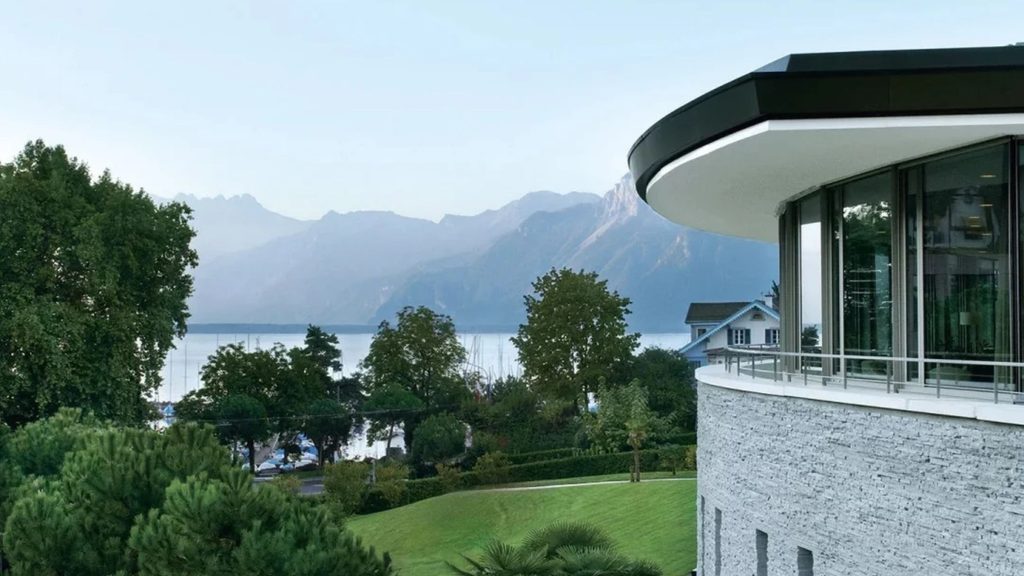
This one is in a different category to everything else on the list – not in terms of strangeness, exactly, but in terms of what it costs and what it claims to deliver. Clinique La Prairie on the shores of Lake Geneva has been operating since 1931 and is the oldest and most established longevity clinic in the world. Its core programme has been refined over nearly a century of medical research.
Wellness in 2026 is strategic, highly personalised, and fully integrated. Longevity clinics and exclusive biohacking clubs are seeing unprecedented growth, with treatments ranging from cryotherapy and advanced blood diagnostics to genetic testing, peptide therapies, and real-time biometric feedback sessions that recalibrate the nervous system and maximise restorative results.
At Clinique La Prairie specifically, the flagship Revitalisation programme combines cellular therapy developed from decades of proprietary research with advanced diagnostics, personalised nutrition, physical rehabilitation, and psychological support into a week-long protocol that reads more like a medical admission than a spa break. Guests undergo comprehensive blood panels, genetic screening, and biological age assessment on arrival. The programme is then built around the results. Alumni include heads of state, senior executives, and a significant number of people who return annually and consider it a non-negotiable maintenance investment rather than a luxury indulgence.
The Lake Geneva setting – one of the most beautiful in Europe, with the Alps rising above the water on all sides – makes the experience something more than a medical programme. It is also, at those prices, one of the most significant single wellness investments a person can make. Whether it delivers what it promises is a question the clinic has spent 90 years amassing evidence to answer.
When to go: year-round, though the lake and mountain setting is at its most extraordinary in autumn (September to October) and in winter when the Alps are snow-covered. Programmes require advance booking, typically months ahead.
How these compare
| Experience | Location | How strange, honestly | From |
|---|---|---|---|
| Suna-mushi sand bathing | Japan | Being buried. In hot volcanic sand. On a beach. | ~10 euros |
| Sake and wine baths | Japan | Soaking in your favourite drink. Literally. | ~17 euros |
| Temazcal ceremony | Mexico | A Mayan sweat lodge ritual in the jungle at night | ~$80 |
| Cacao ceremony | Peru / worldwide | Ancient psychoactive ritual on the Amazon River | ~$50 |
| Apitherapy | Global | Intentionally getting stung by live bees | ~$50 |
| Snake massage | Indonesia | A python working your shoulder blades | ~$30 |
| Sensory deprivation float | Global | Total darkness, total silence, possible hallucinations | ~$50 |
| Korean kiln sauna | South Korea | A 500-year-old charcoal dome. Extremely hot. | ~7 euros |
| Longevity biohacking clinic | Switzerland | The most expensive thing on this list. Possibly worth it. | CHF 35,000+ |
A note on cultural respect
Several experiences on this list – the temazcal, the cacao ceremony, and apitherapy in its traditional forms – are indigenous or ancestral practices with deep cultural roots. Booking these through operators who employ or are led by practitioners from within those traditions, who understand the ceremonial context and conduct the experience with appropriate intention, is both a matter of cultural respect and a significant factor in the quality of what you actually experience. A temazcal led by a genuine Mayan shaman and one used as a resort add-on are not the same thing.
Some links in this post are affiliate links. If you book through them, flight.now earns a small commission at no extra cost to you. Learn more here