
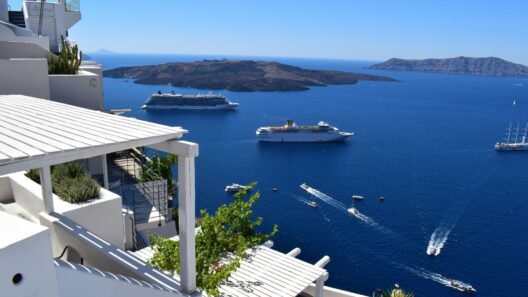
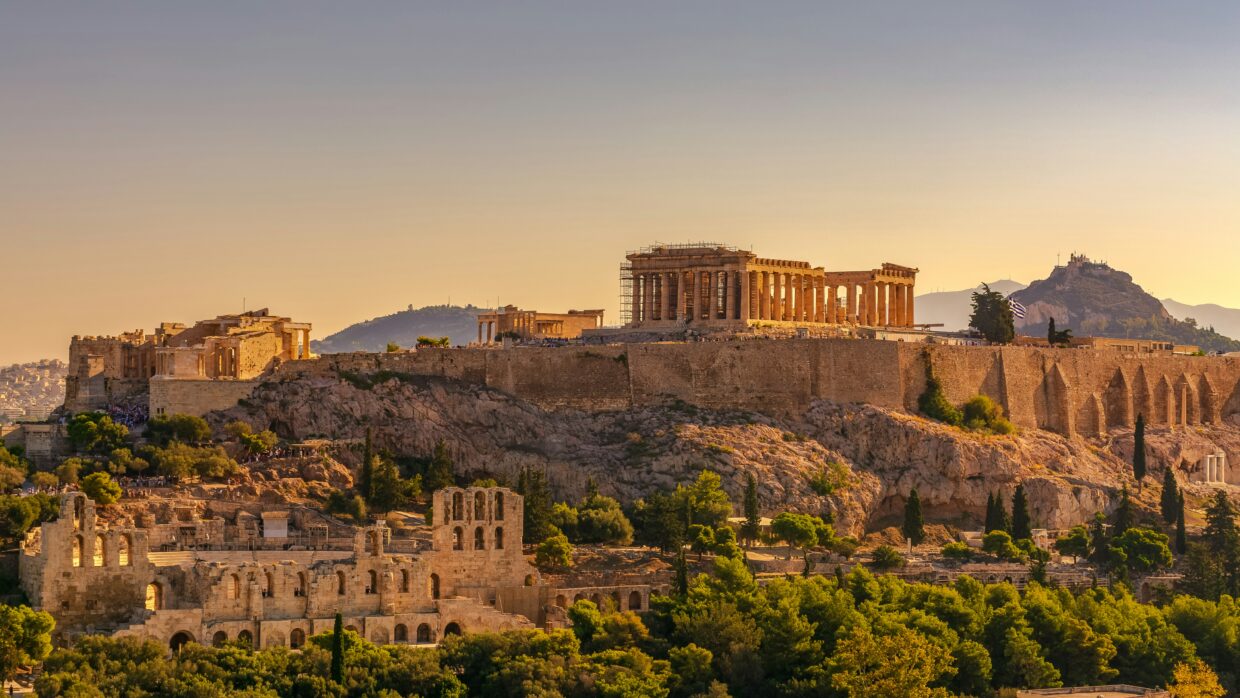
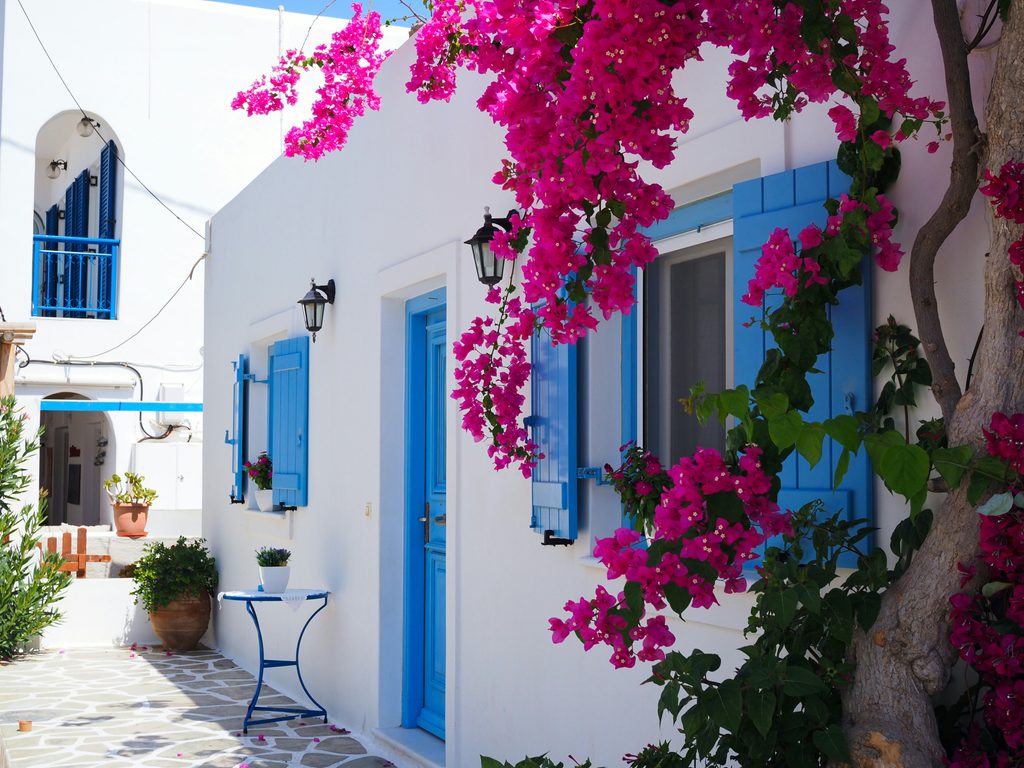
There is a quality of light in Greece that painters have been trying to capture for centuries and photographers have been failing to fully convey since the invention of the camera. It arrives in the late afternoon, when the sun drops toward the Aegean and the white-washed walls of the island villages turn gold, and the sea below shifts from turquoise to deep blue, and the whole scene looks so composed, so perfectly arranged, that it seems impossible it arrived without planning.
Greece is Europe’s most consistently extraordinary travel destination. Not its most exotic, not its most remote, not its most surprising, everyone knows what Greece looks like before they arrive. But the knowing does nothing to diminish the reality. The Acropolis at dawn, the caldera at sunset from a clifftop terrace, the sound of a taverna on a harbour where the fishing boats have been bringing the same catch to the same families for generations, these things work on you regardless of how many photographs you have seen of them.
This series covers four destinations that between them represent the full range of what Greece offers: Rhodes, the island of crusader knights and medieval walled cities. Santorini, the volcanic caldera that has become the most recognisable island landscape in Europe. Crete, the largest and most varied Greek island, with Minoan ruins, mountain gorges, and a food culture entirely its own. And Halkidiki, the three-fingered peninsula of northern Greece that most Western travellers have never heard of, where beaches rival anything in the Cyclades and Mount Athos rises in permanent, monk-populated seclusion above the sea.
Understanding Greece
Greece is simultaneously a country with a single powerful identity and a country of extraordinary internal variety. The Greece of the Cyclades, white walls, blue domes, volcanic geography, tourist infrastructure at every price point, is a completely different experience from the Greece of Crete, or the Greece of the northern mainland, or the Greece of the Ionian islands facing Italy. Understanding this variety before you go is the most useful single thing you can do for your planning.
The country divides broadly into three travel environments:
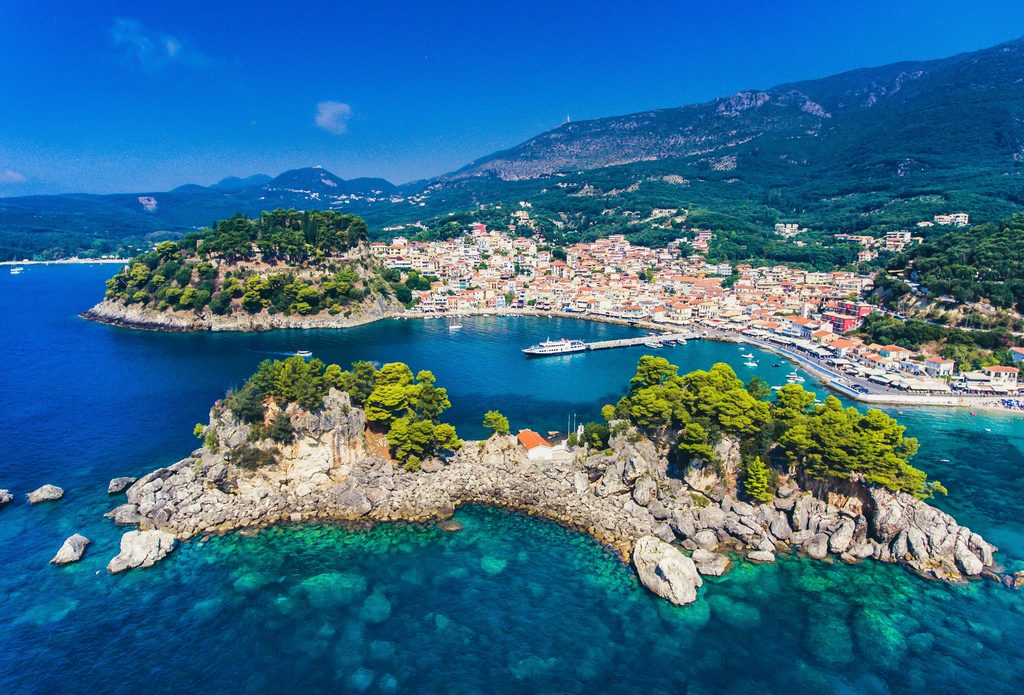
The islands – approximately 6,000 of them, of which 200 are inhabited and perhaps 50 have meaningful tourist infrastructure. The island experience is defined by the sea, the ferry connections between them, and the specific character of each archipelago. The Cyclades (Santorini, Mykonos, Paros, Naxos) are the most internationally recognisable. The Dodecanese (Rhodes, Kos, Patmos) sit closer to the Turkish coast and carry a different historical weight. The Ionian islands (Corfu, Kefalonia, Zakynthos) face Italy and feel distinctly different in architecture and culture from the Aegean islands. Crete stands alone, large enough to be its own world.
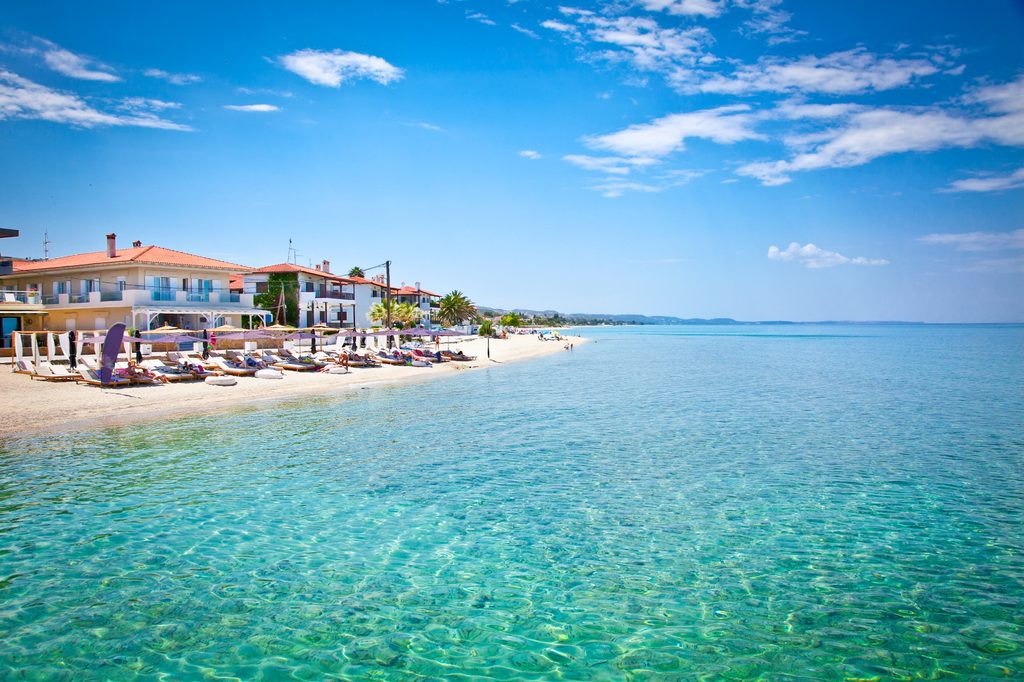
The mainland – Athens, the Peloponnese, the northern regions including Halkidiki and Macedonia, the extraordinary monasteries of Meteora. The mainland is consistently underexplored by international visitors who allocate their entire trip to the islands.
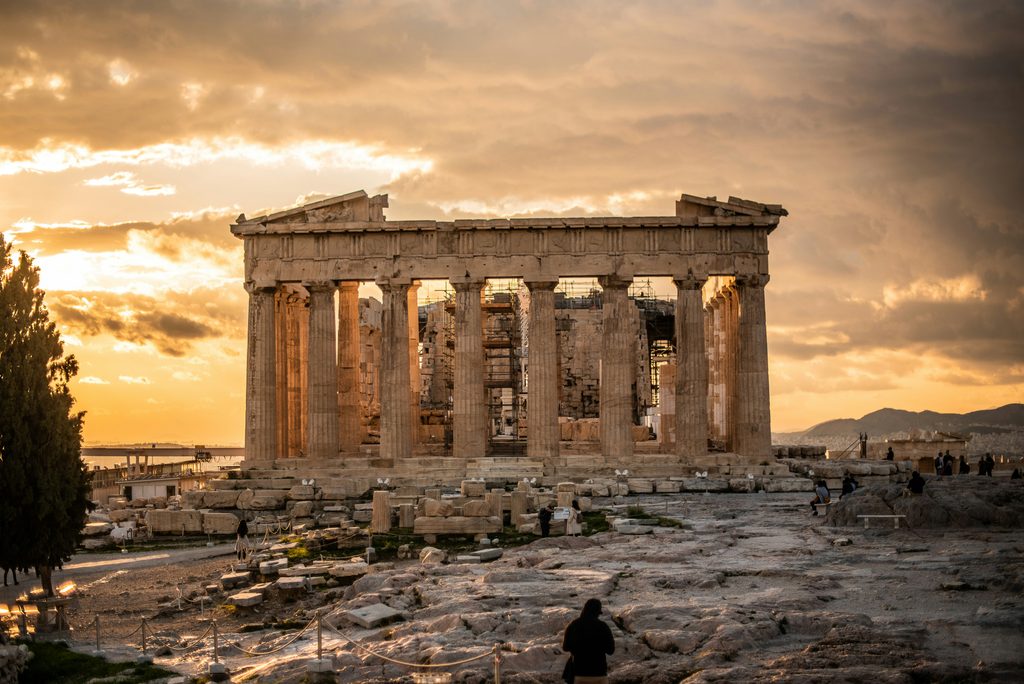
Athens – the entry point for most international visitors and a destination in its own right. The Acropolis, the Plaka neighbourhood, the Monastiraki flea market, the emerging restaurant scene in Psyrri and Koukaki, Athens rewards two to three days of serious attention before or after the islands.
Need somewhere to stay in Greece? View available hotels on our interactive map.
The four destinations: what makes each one distinct
Rhodes
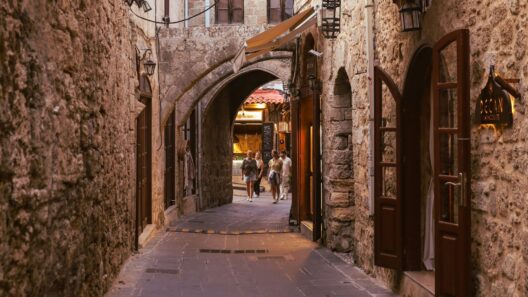
Rhodes is the largest of the Dodecanese islands and one of the most historically layered destinations in the Aegean. The medieval walled city of Rhodes Town is a UNESCO World Heritage Site, the most complete surviving example of a crusader-era fortified city in the world, built by the Knights of St John between the 14th and 16th centuries with walls, towers, and a palace that have survived remarkably intact. Walking the Street of the Knights at dusk, the stone flags worn smooth by six centuries of foot traffic, is the closest thing to time travel available in Greece.
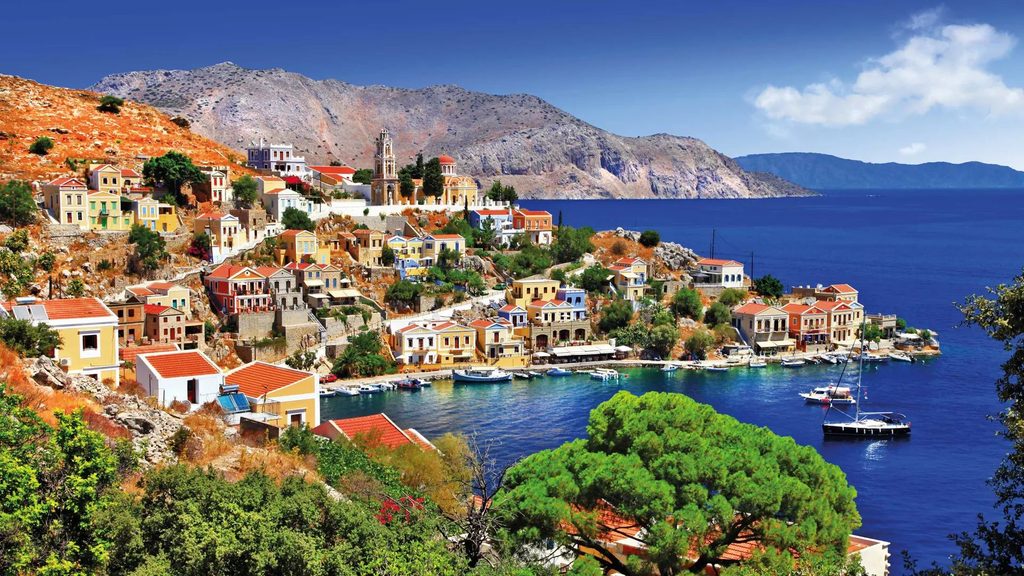
Beyond the old town, Rhodes offers the contrast that makes it one of the most complete island destinations in the Aegean: the classical ruins at Kamiros, the acropolis at Lindos above one of the island’s finest beaches, the butterfly valley of Petaloudes, and a west coast where the wind makes it one of the best windsurfing locations in the Mediterranean.
Rhodes receives more annual visitors than any other Greek island outside of Crete, and its tourism infrastructure reflects this, the full range of accommodation from budget hotels to luxury resorts, reliable transport connections, and a range of dining from taverna to Michelin-quality.
The dedicated Rhodes post in this series covers everything in full detail.
Santorini
Santorini is the most photographed island in Europe and the most frequently misunderstood. The images that define it globally, the blue-domed churches of Oia, the white buildings cascading down the caldera cliffs, the sunset from the terrace, are accurate. They are also only one layer of an island that has volcanic beaches of extraordinary character, a wine culture built on ancient vines grown in a unique ash-based soil, a culinary scene that has become one of the most ambitious in the Aegean, and villages beyond Oia and Fira that receive a fraction of the visitors and deliver more of the authentic Cycladic character.
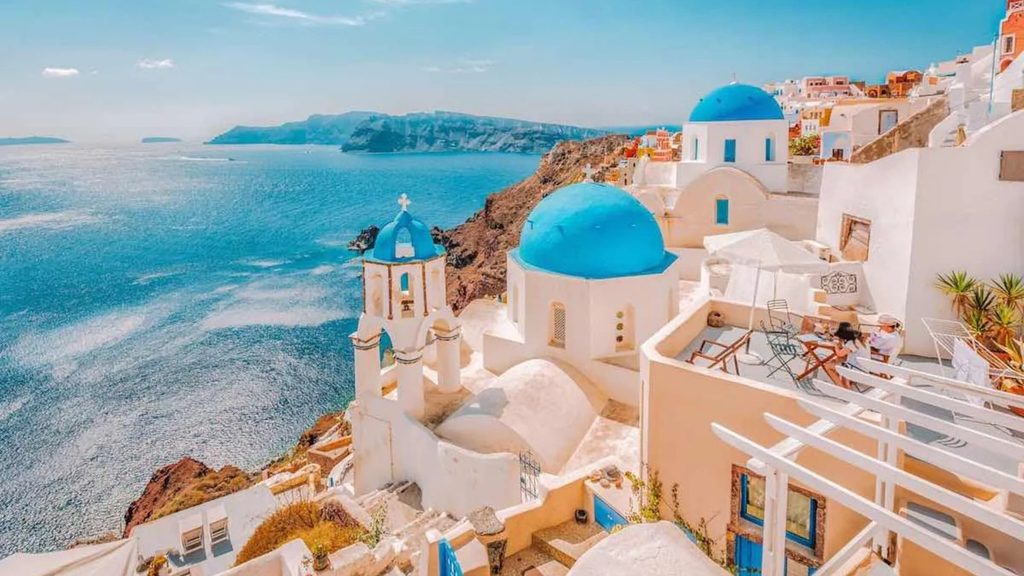
The honest challenge with Santorini is the crowds during peak season. July and August bring visitor numbers that concentrate on a small number of locations, the Oia sunset viewing area, the Fira cable car, the main caldera-view restaurants, and produce an experience that requires management rather than simple enjoyment. The solution is timing, positioning, and knowing which parts of the island the crowds haven’t found yet.
The dedicated Santorini post in this series addresses this directly.
Crete
Crete is not an island. It is a country that happens to be surrounded by water. At 8,336 square kilometres, it is the fifth largest island in the Mediterranean and large enough to sustain ecosystems, landscapes, and cultural experiences that would fill a week in any other destination in Greece. The Minoan civilisation, Europe’s first advanced civilisation, predating classical Greece by a thousand years, centred on Crete and left ruins at Knossos that are among the most significant archaeological sites in the world.
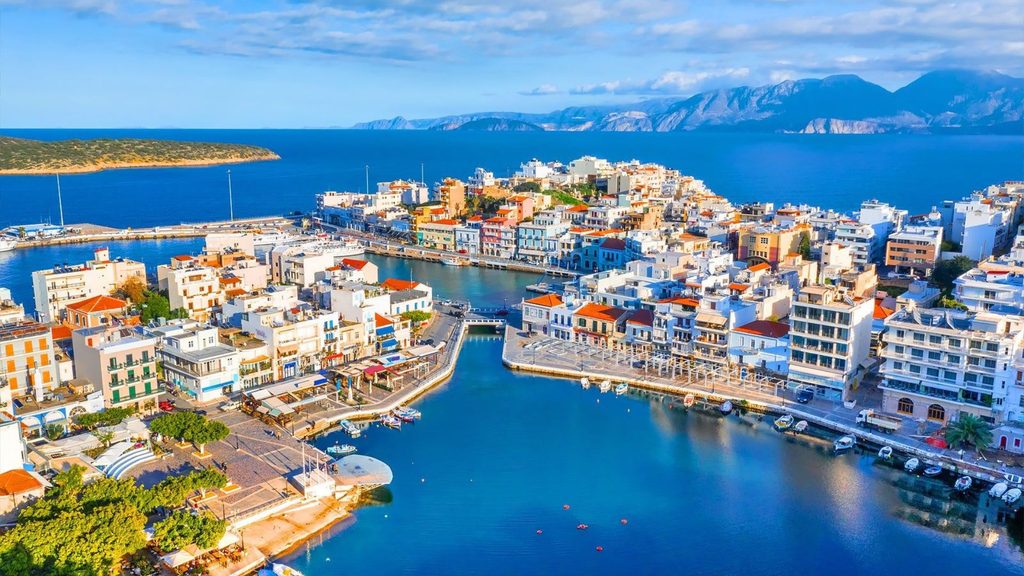
The Samaria Gorge, a 16-kilometre walk through Europe’s longest ravine, descends from the White Mountains to the Libyan Sea and is one of the finest single-day hikes in Greece. The south coast villages, Loutro, accessible only by boat or on foot; Paleochora; Agia Roumeli at the gorge’s end, exist in a quietness and beauty that the north coast resort infrastructure entirely lacks. Elafonissi Beach, with its pink-tinted sand and shallow turquoise lagoon, is among the most extraordinary beaches in the Mediterranean.
Cretan food is a category apart from mainland Greek cuisine, more olive oil, more herbs, more legumes, less meat, and the raki that appears unbidden at the end of every taverna meal regardless of what you ordered. The Cretan diet is one of the foundational references of the Mediterranean diet research. Eating here is, in a small way, participation in that.
Halkidiki
Halkidiki is the destination on this list that most visitors to this post will not yet have been to. The three-pronged peninsula of northern Greece, an hour’s drive from Thessaloniki, extends into the northern Aegean in three distinct fingers: Kassandra, the most developed and most accessible; Sithonia, quieter and more forested; and Athos, which is not accessible to most visitors at all.
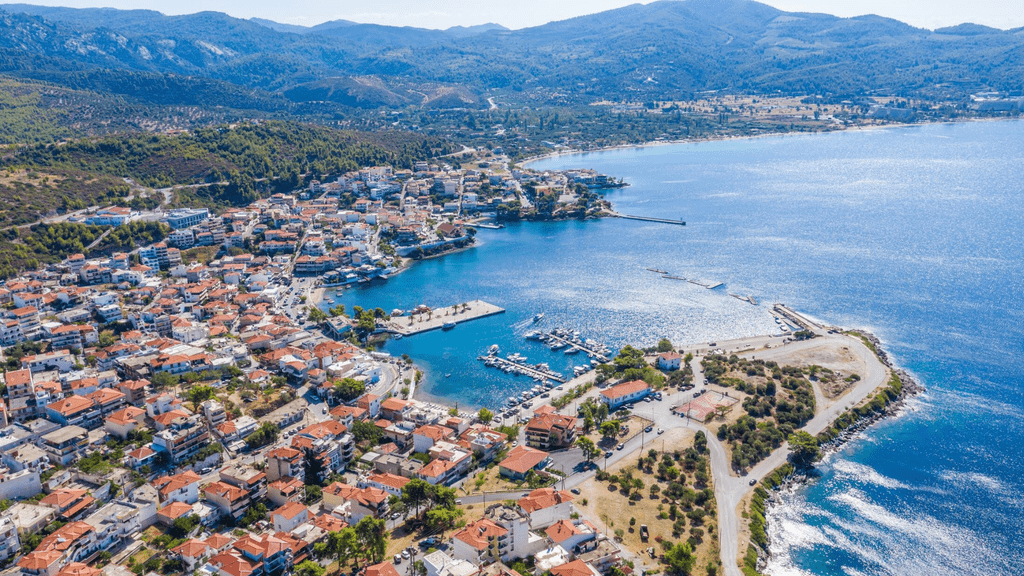
The Athos peninsula is home to the Monastic State of Mount Athos, a self-governing monastic community of twenty Orthodox monasteries that has been continuously inhabited for over a thousand years and remains restricted to men with a special permit (the diamonitirion). Women have not been permitted on the peninsula since the Byzantine era. From the sea, approached by the day-cruise boats that run along the coast, the monasteries are visible clinging to the cliffsides above the water, Byzantine architecture in a setting of extraordinary wildness.
The beaches of Kassandra and Sithonia, particularly the turquoise bays of Sithonia’s eastern coast, are among the finest in northern Greece and largely unknown to the Western European visitors who fill the Cyclades every summer. The combination of excellent beaches, significantly lower prices than the island destinations, the cultural weight of the Athos peninsula, and the proximity to Thessaloniki (one of Greece’s finest cities for food and culture) makes Halkidiki the most underrated destination in this series.
When to visit Greece
The honest answer differs significantly by destination and by what you are trying to do.
April to June is the finest overall period for Greece. The weather is warm (22 to 28 degrees Celsius), the sea is swimmable by May, the wildflowers cover the hillsides of every island, and the crowds are at a fraction of July and August volume. Accommodation rates are 30 to 50 percent below peak. This is the period that serious Greece travellers consistently recommend and most casual visitors miss.
July and August is peak season, the hottest, most crowded, most expensive period. Santorini and Mykonos in particular reach saturation levels that require specific management strategies (early morning at the sites, late evening at the restaurants, accommodation booked months in advance). Rhodes and Crete absorb the summer crowds better due to their larger size and more distributed visitor infrastructure. Halkidiki is busy with domestic Greek and Balkan visitors but uncrowded by international standards.
September and October is the second finest period and in some respects better than spring. The sea is at its warmest, reaching 26 to 28 degrees Celsius in September. The crowds thin sharply after the first week of September. The light in October is extraordinary. Many restaurants and shops remain open through October on the major islands. This is the period to go if summer travel is unavoidable and the crowds are a concern.
November to March – the islands wind down significantly. Many businesses on Santorini, Mykonos, and smaller Cycladic islands close entirely from November to March. Rhodes and Crete remain partially operational year-round. Athens is excellent in winter, uncrowded, with good weather for sightseeing. Halkidiki’s beaches are off-season but the region itself is accessible year-round.
Getting around Greece
Flights – Olympic Air, Sky Express, and Aegean Airlines operate extensive domestic networks connecting Athens to the major islands and to Thessaloniki for Halkidiki access. Direct international flights reach Rhodes and Crete (Heraklion and Chania airports) from most major European cities during the summer season, eliminating the Athens connection for island-only itineraries.
Ferries – the backbone of Greek island travel. Piraeus port in Athens is the main hub, with fast ferries reaching Santorini in approximately five hours and slower conventional ferries in seven to nine hours. The Blue Star Ferries and Hellenic Seaways networks cover the major routes. Booking ahead is essential in July and August, cabins and vehicle spaces fill significantly in advance.
For island hopping – the ferry network makes multi-island itineraries highly practical. A standard first-visit island route: Athens, Santorini (by fast ferry), Crete (by ferry from Santorini’s port at Athinios), Rhodes (by ferry from Crete or by flight). This covers three of the four destinations in this series in a single circuit.
For Halkidiki – fly to Thessaloniki (SKG) and rent a car. The peninsula is not served by ferries and is best explored with your own vehicle, which also allows access to the quieter bays of Sithonia that buses do not reach.
Getting around Greece is easier with your own wheels. Search rentals here.
Food: the short version
Greek food is one of the great Mediterranean cuisines and one that varies more by region than most international visitors realise. The food post in each destination guide covers the specific dishes worth ordering. For the pillar guide, the essentials:
Mezedes – small shared dishes, ordered in quantity, eaten slowly with wine or ouzo. This is the correct way to eat in Greece. Order six dishes for two people, eat unhurriedly, order more when needed. The specific dishes vary by region, saganaki (fried cheese), taramasalata (fish roe), dolmades (stuffed vine leaves), grilled octopus, fresh fava from Santorini, dakos from Crete.

Fresh fish – priced by the kilogram at most traditional fish tavernas, displayed on ice for selection. The quality in Greece is extraordinary and the experience of choosing your own fish, having it grilled simply with olive oil and lemon, and eating it at a table twenty metres from the sea is one of the defining pleasures of Greek travel.
Greek coffee – not instant, not filter, not espresso. Greek coffee is prepared in a small copper pot called a briki, brought to the table still frothing, and drunk slowly while the grounds settle. Order it metrio (medium sweet) for the standard version. The ritual of the coffee, the pace it imposes, is as important as the drink itself.
Ready to go? Find the best flight deals for your next trip below:
A note on overtourism
Greece recorded record tourism revenues in 2025 and visitor numbers continue to grow in 2026. Santorini and Mykonos in particular have reached visitor densities that are beginning to affect the quality of the experience for visitors and the quality of life for residents. The Greek government introduced visitor caps at the most pressured sites in 2025, and further management measures are expected.
The practical implication for visitors: the destinations in this series that are least affected by overtourism are Halkidiki (essentially unknown to the mass international market), Crete (large enough to absorb volume), and the off-season versions of all four destinations. Visiting any of them in May, June, September, or October rather than July or August produces a meaningfully better experience at a meaningfully lower cost.
The Greece series
This post is part of the flight.now Greece series:
- Rhodes: the island the Knights built – the medieval walled city, the Acropolis of Lindos, and the beaches most visitors never find
- Santorini: the honest guide – the caldera villages beyond Oia, the volcanic beaches, and the old-vine Assyrtiko wine
- Crete: the complete island – Minoan ruins, the Samaria Gorge, the south coast villages only reachable by boat, and the food
- Halkidiki: northern Greece’s best kept secret – Sithonia’s hidden coves, the Mount Athos monastery boat tour, and Aristotle’s birthplace
- Meteora: between earth and sky – six monasteries on 400-metre sandstone pillars, hiking trails, and 130,000 years of human history
Some links in this post are affiliate links. If you book through them, flight.now earns a small commission at no extra cost to you. Learn more here

[…] Greece: the complete guide – islands, mainland, when to go, how to get around, and what makes each destination distinct […]
[…] Greece: the complete guide – islands, mainland, when to go, how to get around, and what makes each destination distinct […]