
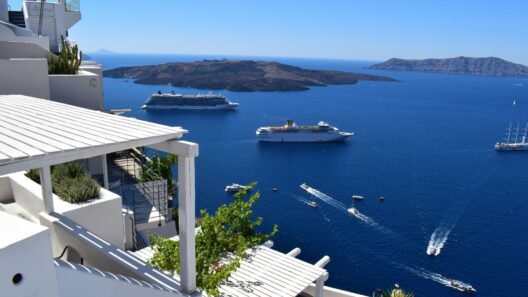
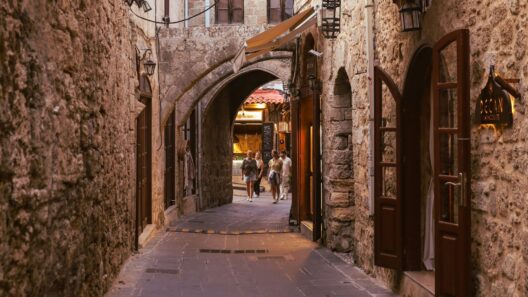
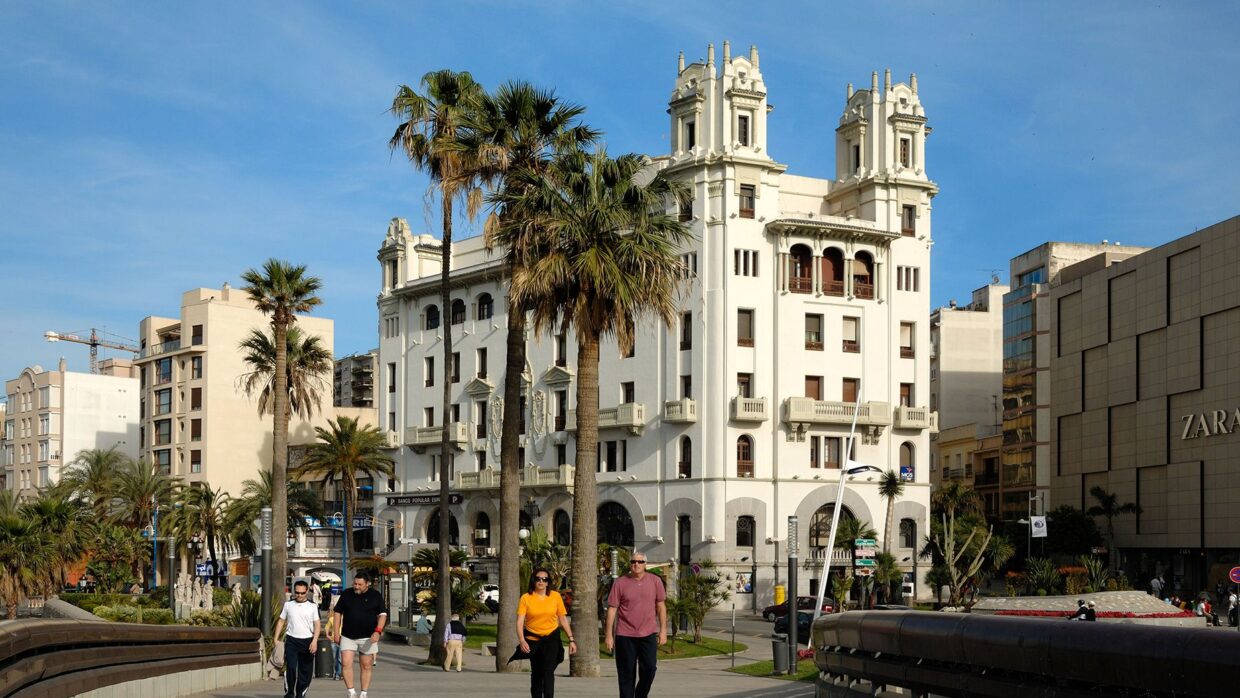
Ceuta shouldn’t work as well as it does. It’s a Spanish city sitting on the North African coast, wedged against Morocco, guarded by 5th century walls and watched over by the Rock of Gibraltar across the strait. You can eat tapas for lunch and be haggling in a Moroccan-style souk by dinner, all without leaving Spanish soil. Most travelers skip it entirely, treating it as a border crossing rather than a destination. That’s their loss.
“Ceuta is the rare place where two continents, two cultures, and two thousand years of fortification all sit inside a single afternoon’s walk.”
This is a compact city built for wandering. Nothing on this list is more than a short drive from anywhere else on it, which means you can realistically hit most of these in a long weekend.
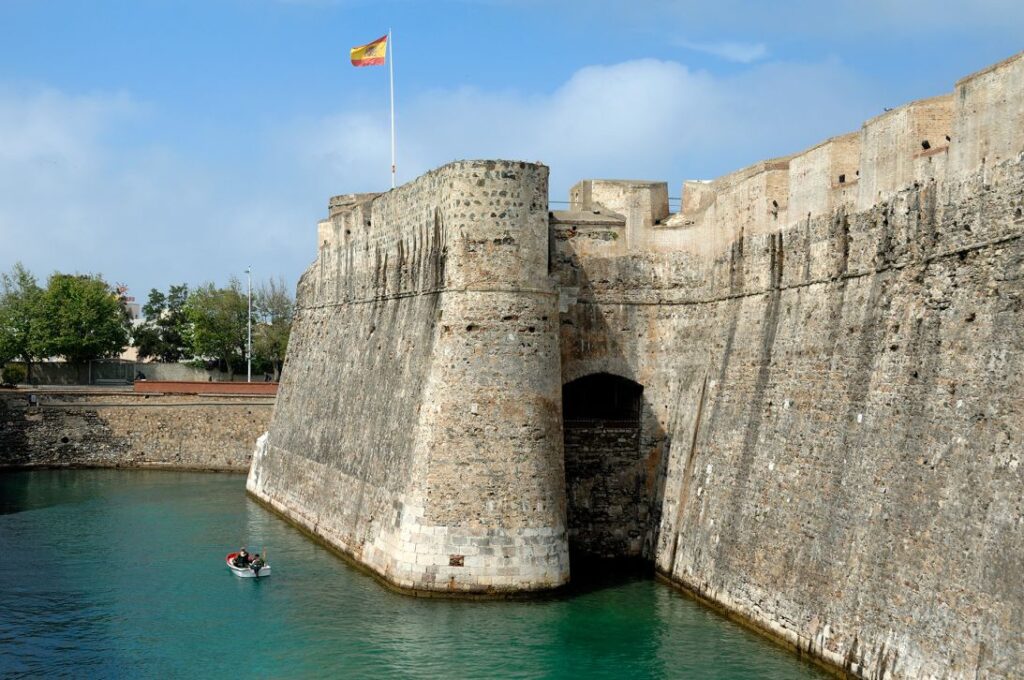
1. The Royal Walls (Murallas Reales)
Ceuta’s defining landmark and the thing most people photograph first. The fortifications trace back roughly 1,500 years, with the bulk of what’s visible today dating to major rebuilding in the 1540s. Walk the moat, cross the drawbridges, and duck into the small museum tucked inside the walls for context on the sieges the city survived.
Practical info:
- Location: City center, bordering Plaza de África
- Cost: Free to walk the exterior; small fee for the interior museum
- Best time: Morning, before the heat and crowds settle in
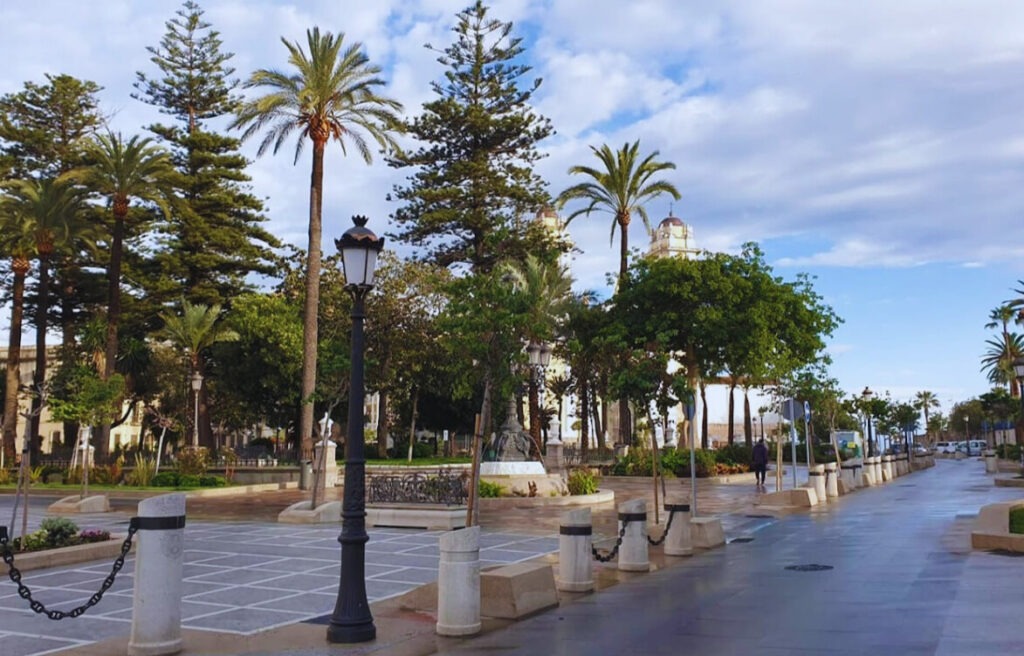
2. Plaza de África
The social heart of Ceuta and the natural starting point for any visit. The square is framed by the cathedral on one side and the Nuestra Señora de África sanctuary on the other, with cafés spilling out under the arcades. Sit with a coffee for twenty minutes and you’ll get a better read on the city than most guidebooks offer.
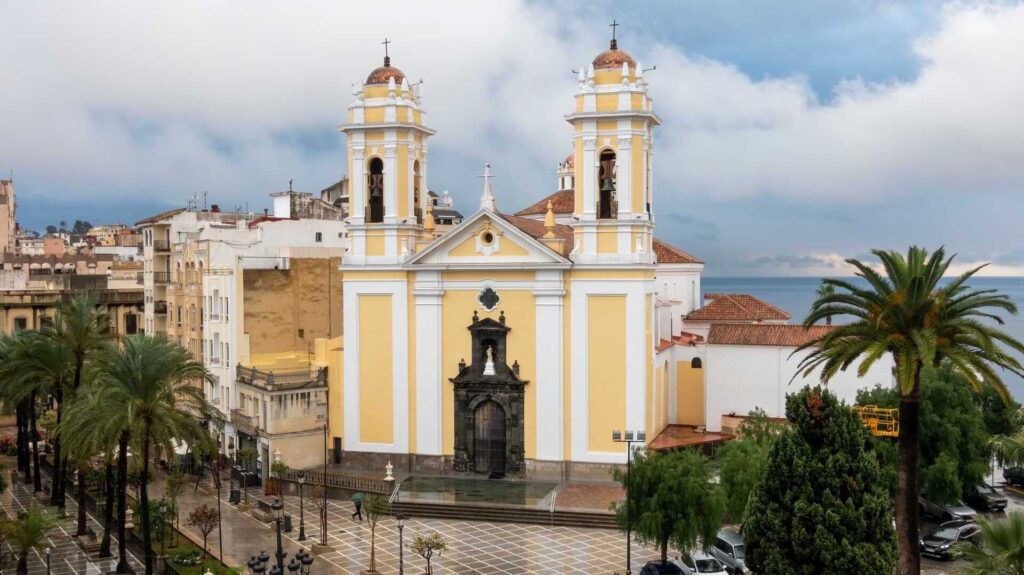
3. Cathedral of Our Lady of the Assumption
Construction began in 1686 on the site of the city’s former mosque, but the Great Siege of Ceuta, which dragged on from 1694 to 1720, turned the half-built structure into an army barracks for decades. It wasn’t consecrated until 1726. Inside, the Baroque altarpiece in the Capilla del Santísimo is the standout, alongside a modest religious art museum.
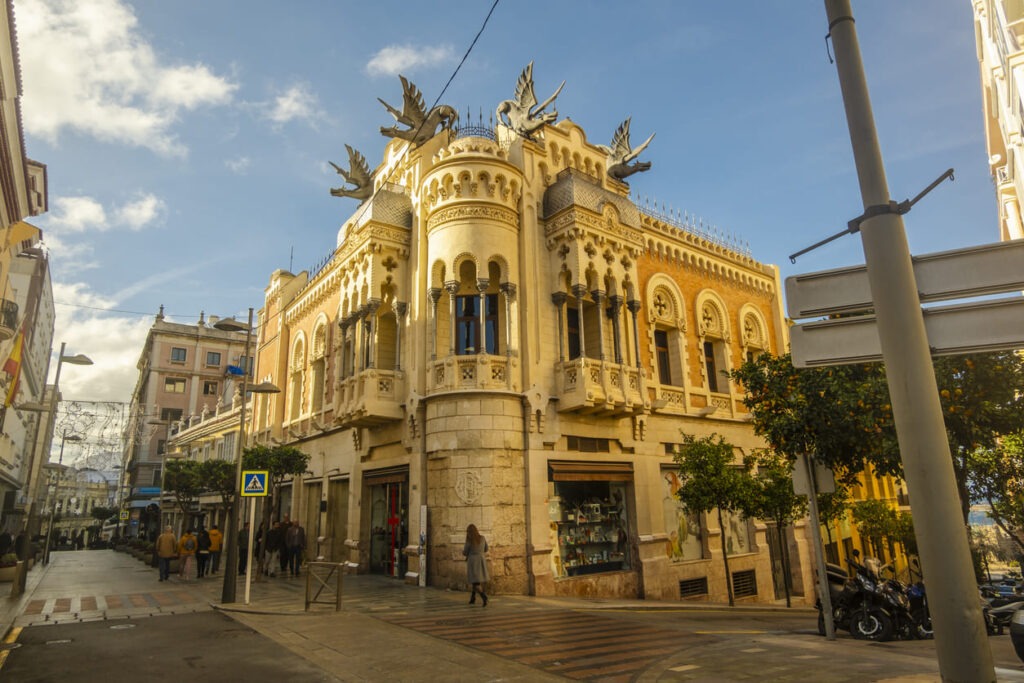
4. Casa de los Dragones (House of Dragons)
Built between 1900 and 1905 for the city’s mayor and his brother, this is Ceuta’s most photographed piece of architecture that isn’t a fortress. Four bronze dragons perch on the rooftop corners, giving the building its name and its slightly theatrical silhouette against the skyline. You can’t go inside, but the facade alone is worth the short walk from the center.
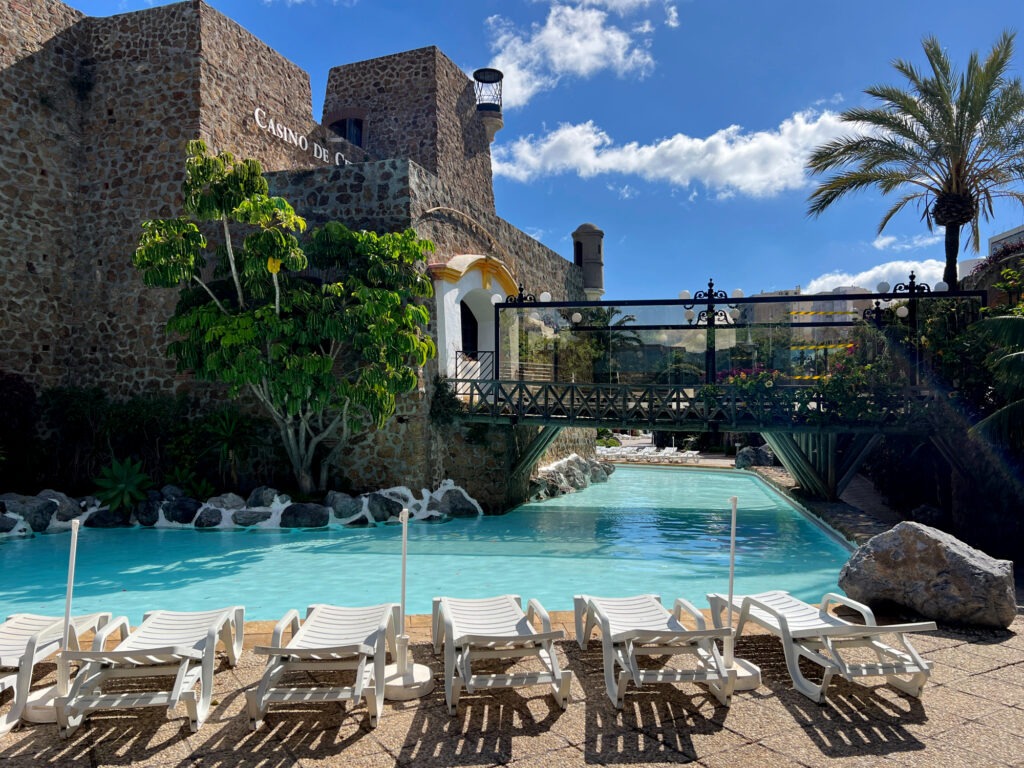
5. Parque Marítimo del Mediterráneo
Designed by César Manrique, the architect behind Lanzarote’s Lago Martiánez, this seafront park is where Ceuta goes to cool off. Three saltwater pools, sunbathing terraces cut into volcanic-style rock formations, and a run of restaurants and tapas bars make it an easy half-day plan, especially in summer.
Practical info:
- Location: Along the seafront promenade
- Cost: Entry fee for the pool area; free to walk through
- Good for: Families, an afternoon reset after a morning of walking
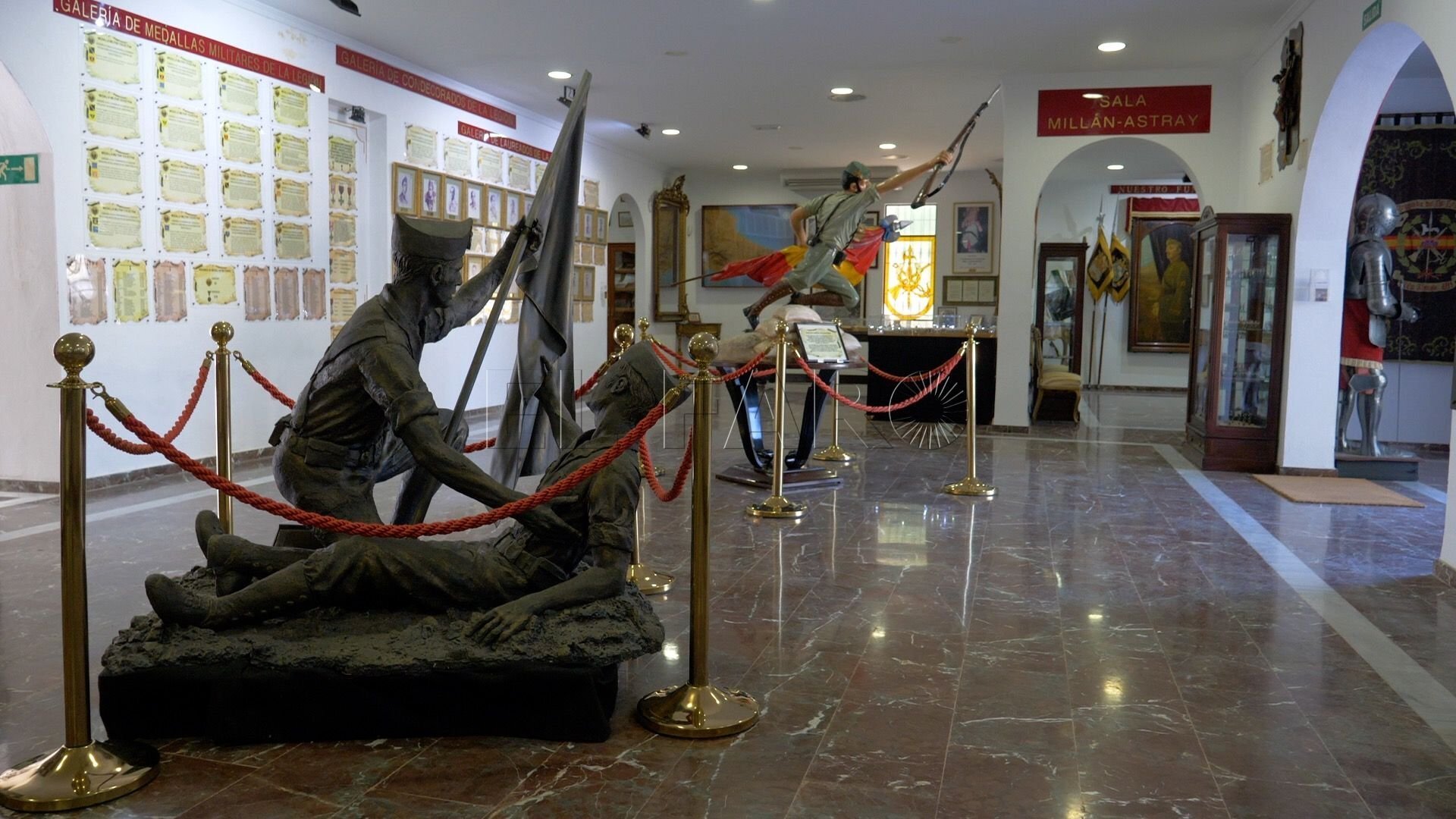
6. Museo de la Legión
A niche pick, but a genuinely interesting one. This museum covers the history of the Spanish Legion, founded in 1920 largely to fight Spain’s territorial campaigns in North Africa. Four rooms of weaponry, uniforms, and photographs tell a story that’s central to why Ceuta looks and feels the way it does today.
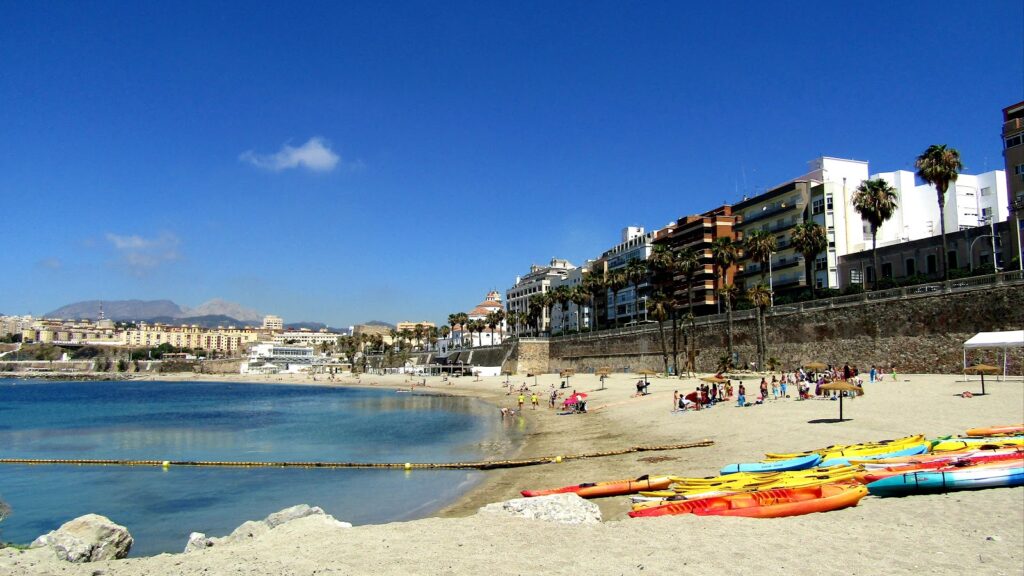
7. Playa de la Ribera and Playa del Chorrillo
Ceuta’s two main city beaches sit close enough to the center that you can walk to either from Plaza de África. Playa del Chorrillo stretches for about 1.2 kilometers and tends to draw families and couples looking for a straightforward beach day with cafés nearby. Neither beach will make you forget the Caribbean, but both are clean, walkable, and genuinely relaxing.
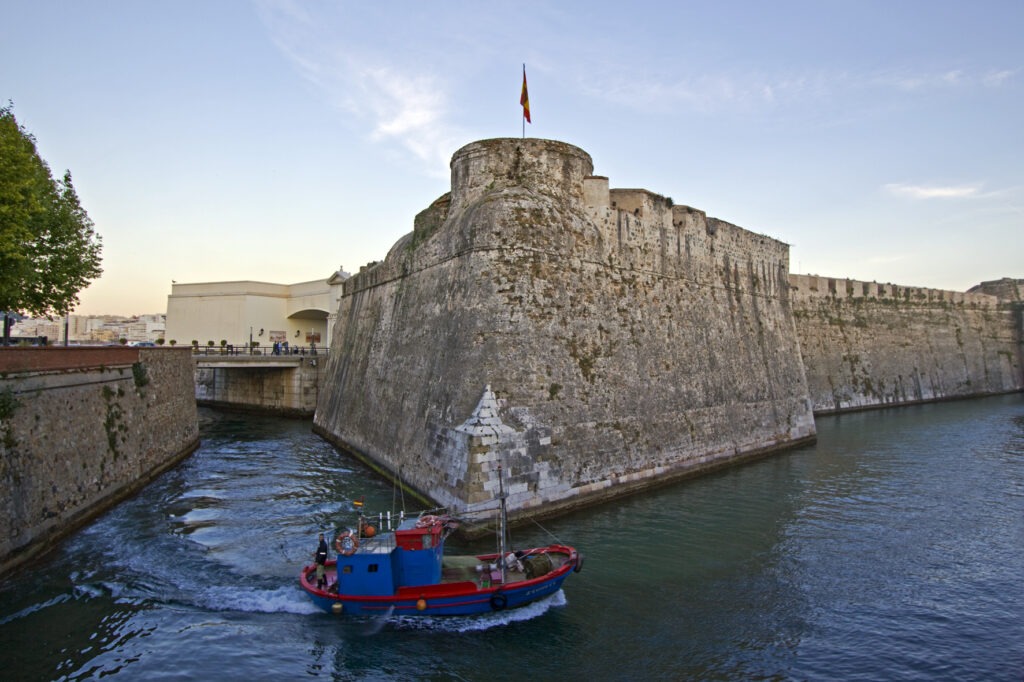
8. Foso de San Felipe and the Royal Moat boat tour
For a different angle on the fortifications, book a short boat tour through the moat surrounding the Royal Walls. Tours typically continue along the South Bay coastline, passing Desnarigado Castle before looping back. It’s a good way to see the walls from the water, which is honestly the more dramatic vantage point.
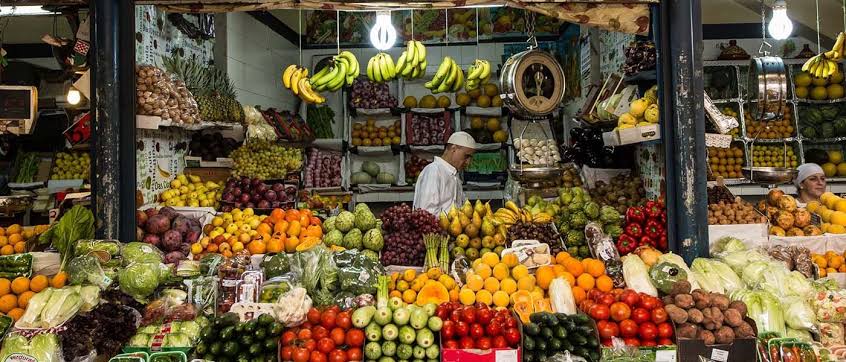
9. Mercado Central (Central Market)
Not the prettiest market you’ll walk through, but one of the most useful for understanding daily life in Ceuta. Stalls sell fresh fish, seafood, and produce, with a noticeable Moroccan influence in the spices and produce on offer. Go in the morning when the fish counters are busiest.
10. Monte Hacho and the Desnarigado Castle area
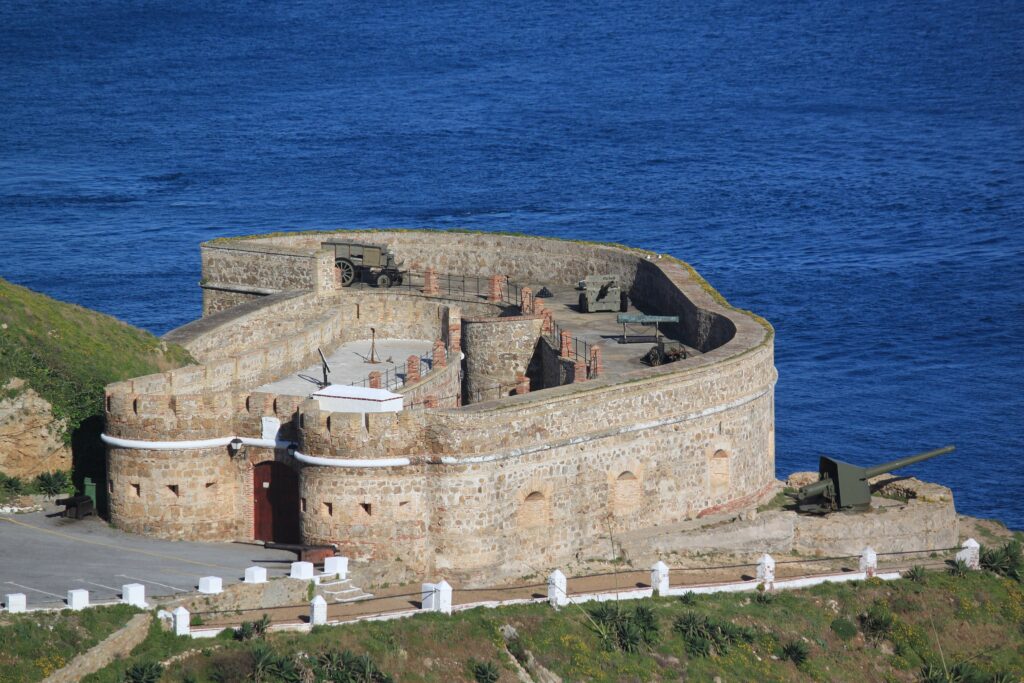
Monte Hacho rises above the city on the eastern side and offers the best panoramic views of Ceuta, the strait, and on a clear day, the outline of Gibraltar. Desnarigado Castle sits at its base, a coastal fortification worth a look even if you don’t have time for the full hike up the mountain.
11. A day trip across the border to Tetouan or Tangier
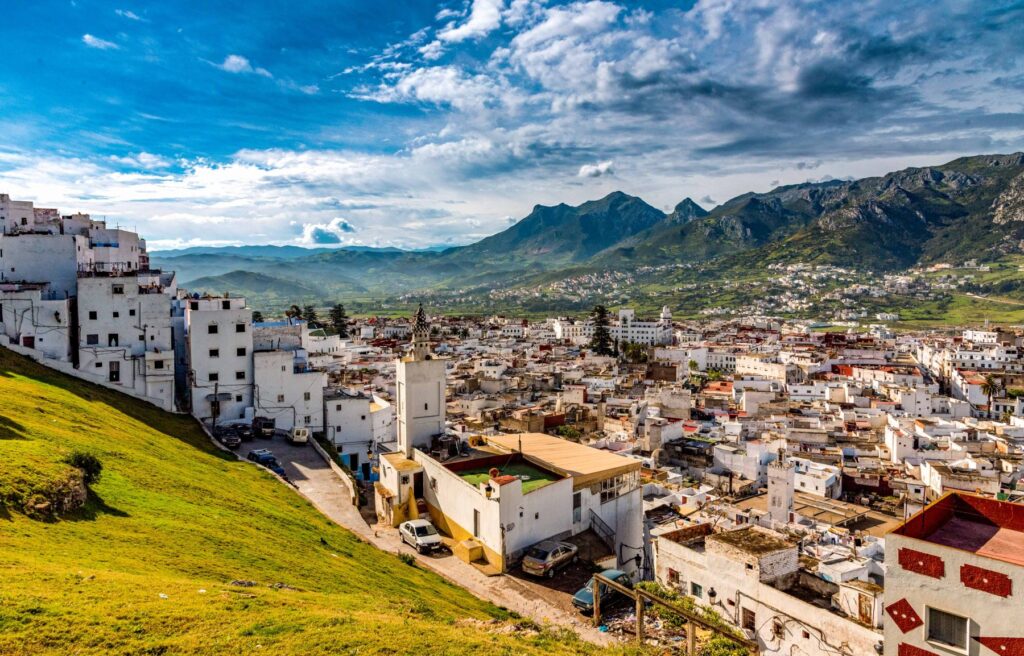
This one bends the “Ceuta” brief, but it’s the move nearly everyone who visits ends up making. The land border with Morocco is a short taxi ride from the city center, and once you’re through, Tetouan’s medina (a UNESCO World Heritage site) or the larger, livelier Tangier are both within reach. Bring your passport and expect the crossing to take longer heading back into Ceuta than it did heading out.
If you only do one thing on this list: walk the Royal Walls at golden hour, then cross into Plaza de África for dinner. It’s the single best distillation of what makes Ceuta worth the detour.
Where to Stay in Ceuta
Ceuta is small enough that almost anywhere in the center puts you within walking distance of the main attractions. The real decision is less about neighborhood and more about how much comfort you want to pay for.
| Hotel | Style | Best for | Approx. price range |
|---|---|---|---|
| Parador de Ceuta | 4-star, historic | Sea views, proximity to the Royal Walls | Mid to upper-mid |
| Hotel Ulises | 4-star, central | Easy access to Parque Marítimo and the center | Mid-range |
| Hotel Ceuta Puerta de África | Mid-range, Spanish-Moroccan design | Walking distance to the cathedral and Museo de la Legión | Mid-range |
| Hercules Boutique Hotel | Boutique | City views, quieter stays near the Royal Walls | Mid-range |
| Oh Nice Revellin | 3-star | Budget travelers wanting a central base | Budget |
| Hostal Central / Hostal Plaza Ruiz | Guesthouse-style | Short stays, ferry connections | Budget |
Parador de Ceuta is the obvious pick if you want one standout stay. It’s built into the old Royal Walls, so several rooms look straight out over the sea and the peninsula, and you’re close enough to walk to nearly everything on this list.
Hotel Ulises is the practical middle ground: central, well-reviewed, and close to the Parque Marítimo pools if you want an easy beach-and-pool afternoon without a taxi.
Alternatives if you’re staying longer or traveling with a group: Apartamentos Villajovita offers a self-catering option a short drive from the center, useful if you’re staying more than a couple of nights and want your own kitchen. Families or groups looking for a bigger resort feel sometimes base themselves across the border in Fnideq or Tamuda Bay instead, though that adds a border crossing to every day trip into Ceuta itself.
If you only book one place to stay: Parador de Ceuta. The location inside the historic walls does most of the work for you, and waking up to that sea view is worth the slightly higher price.
Ceuta isn’t a place you stumble into by accident. It takes a ferry, a border crossing, or a deliberate detour to get there. But for a city this small, it packs in an unusual amount: Roman ruins, 16th century fortifications, a Manrique-designed park, and a land border into an entirely different continent, all within a couple of hours’ walk of each other. Don’t think about it. Book the flight now.
Some links in this post are affiliate links. If you book through them, flight.now earns a small commission at no extra cost to you. Learn more here