Most people flying into Kansai head straight for Kyoto and Osaka, then wonder what to do with the extra day. The answer is sitting less than an hour outside the city in two directions. Nara, Japan’s first true permanent capital, and Kobe, a harbor city that rebuilt itself into one of the country’s most livable ports. One holds temples that predate the shogunate. The other holds a skyline, a Chinatown, and some of the best beef on the planet. Neither takes long to reach, and together they cover more ground, historically and geographically, than almost any other pairing in the region.
Nara feels less like a city you visit and more like a city you walk into thirteen hundred years late.
Why Nara and Kobe work as a pair
Nara served as Japan’s capital from 710 to 784, under the name Heijo-kyo. It never grew into a modern metropolis after the capital moved to Kyoto, which is exactly why it still feels intact. Temples that would be roped-off museum pieces anywhere else are still active places of worship here, and the deer that wander through them have been treated as sacred messengers since the Kasuga Taisha shrine was founded.
Kobe took a very different path. It opened as one of Japan’s first international trading ports in 1868, absorbed foreign merchants and their architecture, and became a genuine melting pot city long before that was common in Japan. It was devastated by the 1995 earthquake and rebuilt with a waterfront that now ranks among the country’s most pleasant places to spend an evening.
Put those two next to each other and you get a single trip that runs from the 8th century to the 19th, without much time lost in between.
Practical info
Nara to Kobe: about 64 km, roughly 50 minutes by car Nara to Osaka: about 40 minutes on the Kintetsu Line Osaka to Kobe: about 30 to 40 minutes by JR or Hankyu train Best base: Osaka, since it sits almost equidistant from both Time needed: one full day for each city, or both in a single long day if you start early
Nara: the museum without walls
Nara earns that nickname because its major sites are not fenced off in a single complex. They are scattered through parks and neighborhoods where daily life continues around them.
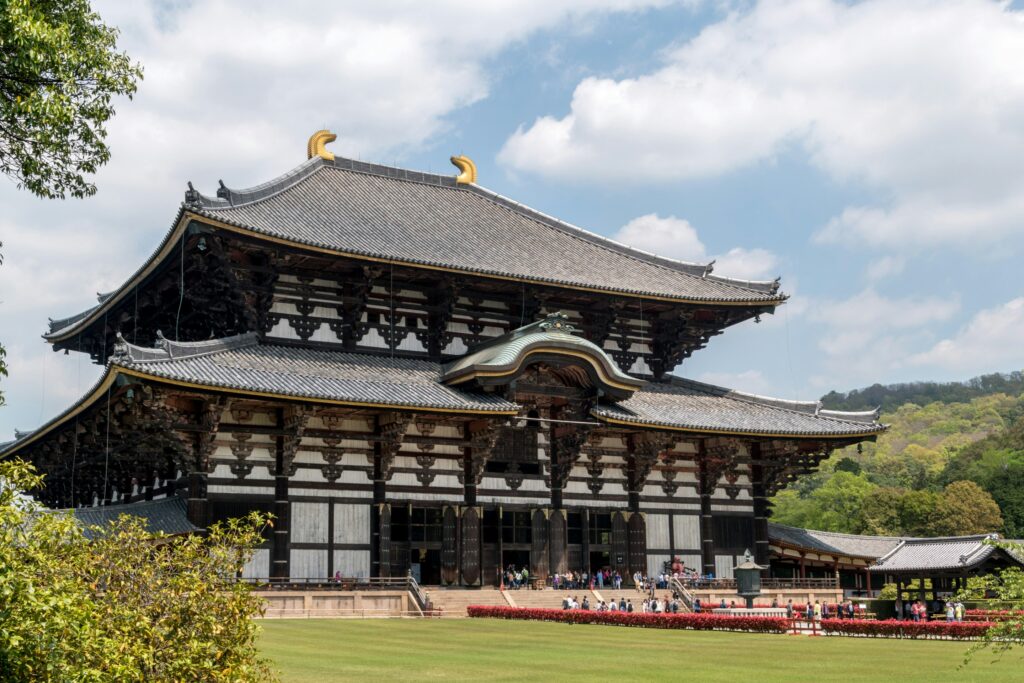
Todai-ji Temple houses the Daibutsu, a bronze Buddha statue that stood as the largest of its kind in the world for centuries. Walking into the Great Buddha Hall, still one of the largest wooden buildings on earth, is the closest most travelers get to feeling small in front of a single room.

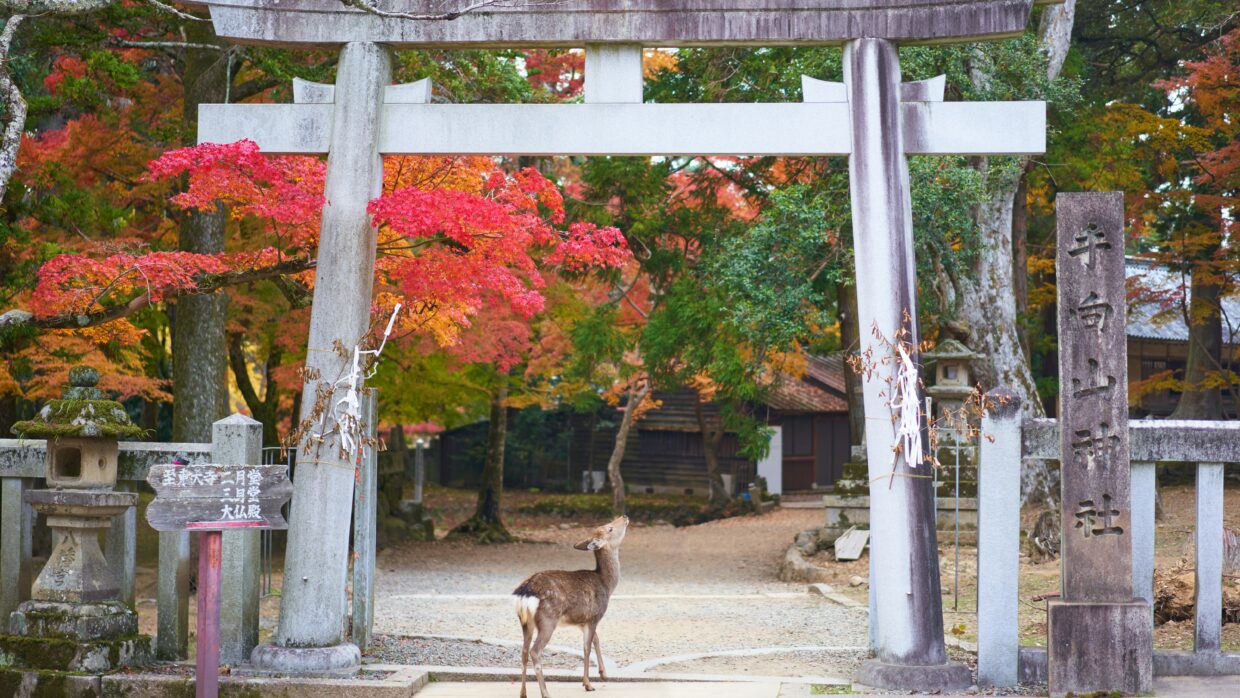
Nara Park surrounds the temple grounds and is home to over a thousand sika deer, considered messengers of the gods since Kasuga Taisha’s founding. They bow for crackers sold at stalls throughout the park, a small ritual that has become one of the most photographed moments in Japan.
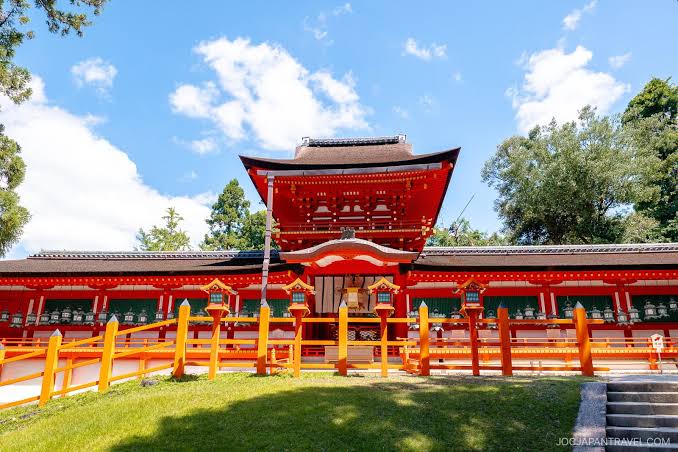
Kasuga Taisha Shrine is reached through a forested path lined with stone lanterns, over three thousand of them, along with hundreds more in bronze hanging from the shrine’s eaves. During the Setsubun and Obon festivals, every lantern is lit at once.
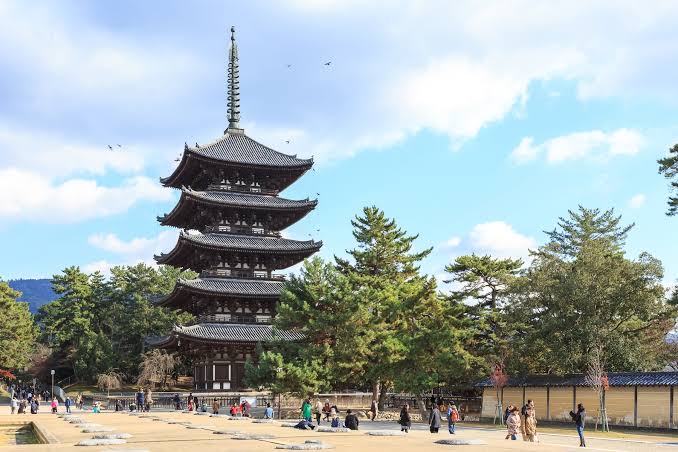
Kofuku-ji Temple rounds out the central cluster, with a five-story pagoda that has become a defining image of the city’s skyline. All four sites sit within a walk of each other, no transfers required.
For food, look past the souvenir stalls near the park entrance. Kaki no ha zushi, mackerel or salmon pressed onto vinegared rice and wrapped in persimmon leaves, is Nara’s signature dish and travels well if you want to eat it on a bench in the park. Naramachi, the old merchant quarter south of the main sites, has narrow lanes of machiya townhouses now filled with small cafés and mochi shops, including one known for its rapid-fire mochi pounding performance.
Kobe: the port that rebuilt itself
Kobe does not try to compete with Nara’s history. It offers something Nara cannot: a working harbor city that has absorbed outside influence for over 150 years and still wears it comfortably.
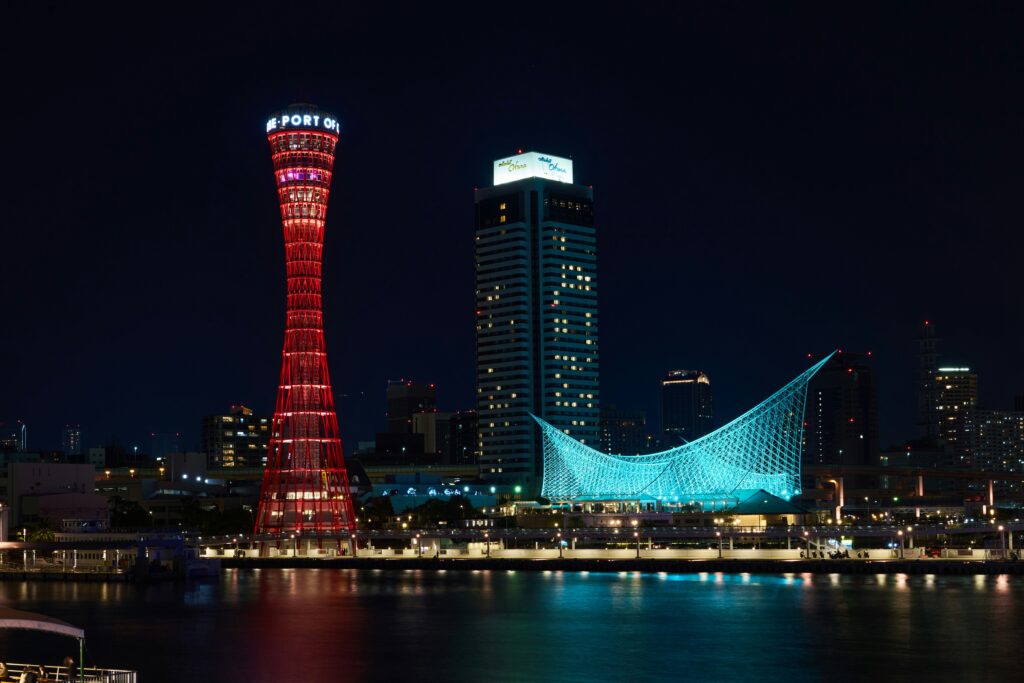
Kobe Harborland and Meriken Park anchor the waterfront, with the red Kobe Port Tower and the Maritime Museum’s sail-shaped roof forming the city’s most recognizable skyline. The Port of Kobe Earthquake Memorial Park sits nearby, a preserved section of the original quay left visibly damaged as a reminder of the 1995 disaster and the recovery that followed.
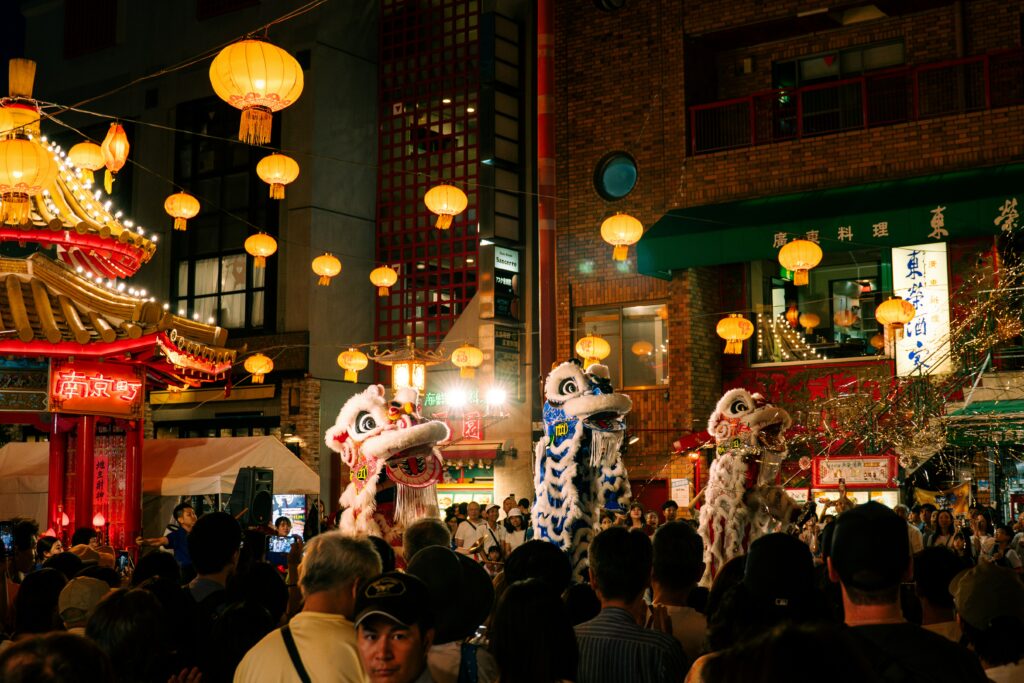
Nankinmachi, Kobe’s Chinatown, is small but dense with food stalls selling steamed buns, dumplings, and other street snacks that reflect the city’s long history as a foreign settlement.
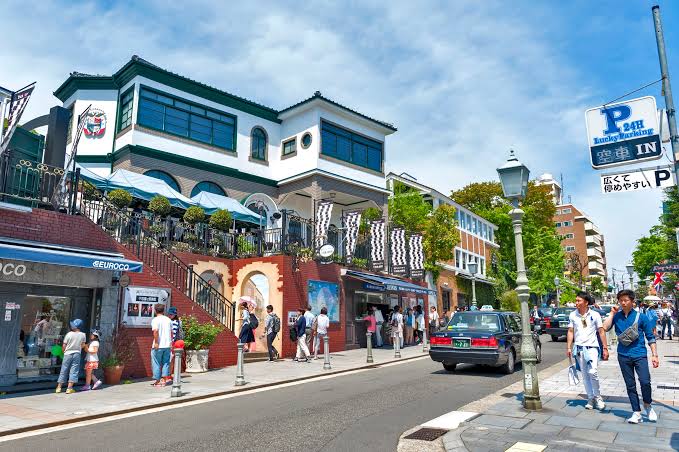
Kitano climbs the hillside above downtown and preserves the ijinkan, Western-style houses built for the foreign merchants and diplomats who settled here after the port opened. Several are now open as small museums furnished in period style.
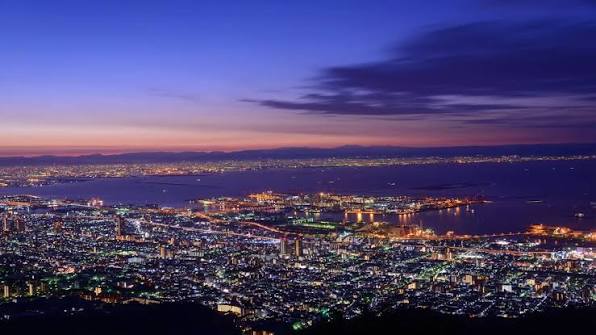
Mount Rokko offers a cable car up to sweeping views over the city and Osaka Bay, and on clear evenings the descent into Kobe’s night skyline is one of the better free views in the Kansai region.
None of it competes for attention with Kobe beef, and it shouldn’t. The cattle are raised under strict feeding and handling standards specific to Hyogo Prefecture, and a proper teppanyaki dinner here, grilled in front of you on a hot plate, is worth planning the evening around.
If you only have one day
Base yourself in Osaka and do Nara in the morning, Kobe in the late afternoon and evening. The Kintetsu Line gets you to Nara Park by mid-morning, and you can be back in Osaka in time to catch a JR train out to Kobe for sunset over the harbor and dinner. It is a full day, but it is a comfortable one, and it means you are never more than 40 minutes from a hot meal and a hotel bed.
Best tours and activities
In Nara
A guided walking tour through Nara Park and Todai-ji is worth booking if you want the history behind the deer, the lanterns, and the Great Buddha rather than just the photos of them. Early morning tours, before the tour buses from Kyoto arrive, tend to be the most rewarding.
A traditional tea ceremony experience in Naramachi gives you a quieter counterpoint to the temple circuit, usually run out of a restored machiya townhouse by a local tea master.
For a slower pace, a bicycle rental through Nara Park and out toward the surrounding hills covers more ground than walking allows and gets you past the main sites into quieter neighborhoods.
In Kobe
A Kobe beef teppanyaki dinner with a counter seat, so you can watch the chef work, is less a tour and more a booking you should make in advance, since the well known counters fill up fast.
A Kobe Port cruise around the harbor, usually an hour or so in the evening, takes in Meriken Park and the Port Tower from the water and is a relaxed way to close out the day after Nara.
A walking tour of Kitano’s ijinkan houses explains the foreign merchant history behind the hillside district, which is easy to miss if you are just wandering between the houses on your own.
A Mount Rokko cable car and night view combination ticket covers the ride up and the observation deck, and is best timed for just before sunset so you catch the city turning on its lights.
Where to stay
For Nara itself, staying overnight lets you see Todai-ji and the park before the day-trip crowds arrive from Kyoto and Osaka, which changes the experience considerably. Small ryokan and guesthouses near Kintetsu Nara Station put you within walking distance of everything.
For Kobe, hotels around Sannomiya Station or the Harborland waterfront put the port, Chinatown, and Kitano all within a short walk or a single subway hop.
If you would rather not switch hotels twice, Osaka works as a single base for the entire trip. You lose the early morning advantage in Nara, but you gain the convenience of one bag, one bed, and rail connections to both cities running through most of the day.
Getting there
From Kansai International Airport, both cities are reachable without going into central Osaka first, though most travelers find it simpler to base there and treat Nara and Kobe as separate day trips. Japan Rail Pass holders can cover most of the Kobe route on JR lines, while Nara is best reached on the private Kintetsu Line, which is not covered by the JR Pass and requires a separate ticket.
The deer are patient. You don’t have to be. Book the flight now:
Some links in this post are affiliate links. If you book through them, flight.now earns a small commission at no extra cost to you. Learn more here