There is a moment on every volcano hike where the landscape stops resembling anything you have ever seen before. The rock beneath your feet is the wrong colour. The air smells faintly of sulphur. The trail, if there is one, crosses a field of hardened lava that was liquid sometime within living memory. You are, in the most literal possible sense, walking on the skin of a planet that is still forming itself.
Volcano hiking is adventure travel at its most elemental, not extreme in the way that wingsuit flying or cave diving are extreme, but extreme in the way that being genuinely small against something genuinely vast always is. The volcanoes on this list range from beginner-friendly half-day hikes to multi-day high altitude expeditions requiring guides, crampons, and a serious commitment to acclimatisation. All of them deliver the same essential thing: a landscape so unlike anywhere else that no photograph entirely captures it, and an understanding of the earth beneath your feet that you cannot get from a viewpoint or a cable car.
Eleven of them. Across five continents. Each one different enough from the others that choosing between them is a genuine question worth thinking about before you book.
1. Acatenango, Guatemala
Difficulty: strenuous · Duration: 2 days, 1 night · Elevation: 3,976 metres
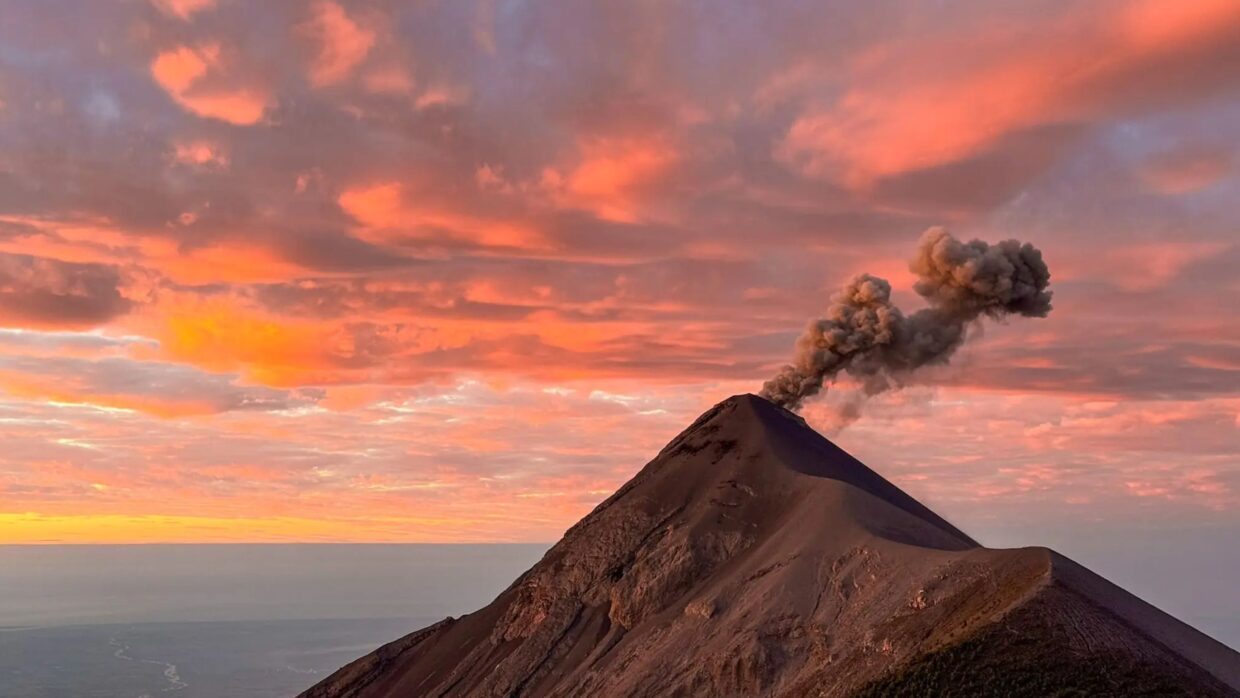
This is the one that converts people. Not Fuji, not Etna, not Kilimanjaro, Acatenango. Because Acatenango has a neighbour.
Volcan de Fuego sits less than three kilometres from Acatenango’s summit and is one of the most consistently active volcanoes on earth. The standard Acatenango experience is a two-day hike that places you at a high-camp site directly facing Fuego as darkness falls, where you watch the crater light up the sky with eruptions every twenty to forty minutes throughout the night. Lava. Ash. The sound carrying across the gap between the two peaks like distant artillery.
Acclimatise in Antigua first, Acatenango sits at nearly 4,000 metres and altitude sickness on the overnight section is the most common reason hikers turn back before reaching the best camp position. Most guided tours depart from Antigua and include camping gear. Pack significantly warmer layers than you think you will need. The summit push typically happens at 3am to reach the rim at sunrise, at which point Guatemala’s highland chain stretches out in every direction below the clouds.
Of everything on this list, this is the one most likely to result in you sitting in Antigua three days later, quiet in a way you weren’t before, trying to describe it to someone who wasn’t there.
When to go: November to April, Guatemala’s dry season. Avoid the rainy season (May to October) when cloud cover frequently obscures the views of Fuego. Guided tours from Antigua cost approximately $30 to $60 per person including camping equipment.
2. Kawah Ijen, Java, Indonesia
Difficulty: moderate · Duration: 4-6 hours return · Elevation: 2,799 metres
Most volcano hikes are spectacular in daylight. Kawah Ijen is spectacular at 2am, in the dark, with a gas mask on.
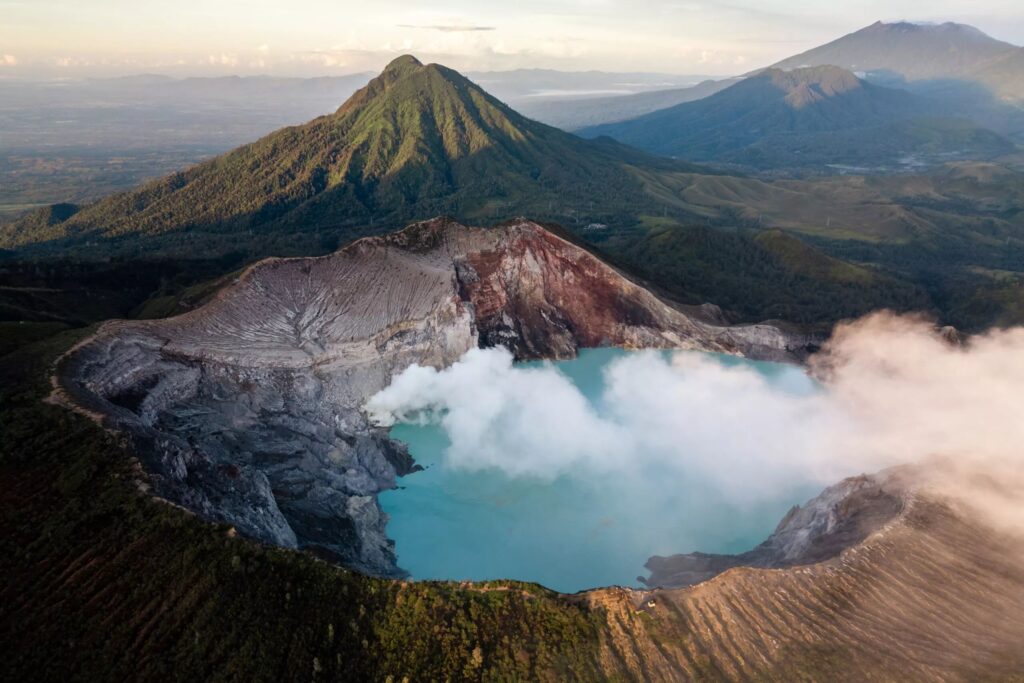
The reason: blue fire. Kawah Ijen’s crater contains the world’s largest highly acidic crater lake, turquoise, deeply toxic, utterly beautiful, and at its edges, sulphuric gases ignite as they contact the air, producing electric blue flames that reach six metres in height. This phenomenon is only visible at night, which is why every serious visitor to Kawah Ijen begins the hike in darkness, reaching the crater rim as the blue fire burns below.
At dawn, as the light changes, the crater lake reveals its full colour and the volcanic landscape, stark, lunar, smelling intensely of sulphur, comes into focus. Many visitors are moved to genuine silence at the rim. The gas masks are not optional; the sulphur concentration at the crater can be dangerous without them, and any reputable guided tour will provide them.
A further detail that makes Kawah Ijen unlike any other volcano hike: the sulphur miners. Local men carry baskets of solidified sulphur up the crater and down the mountain, loads of up to 90 kilograms, multiple times a day. Watching them work in the same landscape you are treating as a bucket list experience is a perspective that stays with you.
When to go: April to October, Indonesia’s dry season. The blue fire is best seen on moonless nights when artificial illumination does not compete. Most visitors stay overnight in Banyuwangi or Bondowoso and depart for the trailhead at midnight. Guides and gas masks are available at the base.
3. Mount Etna, Sicily, Italy
Difficulty: easy to strenuous depending on route · Duration: half day to full day · Elevation: 3,329 metres
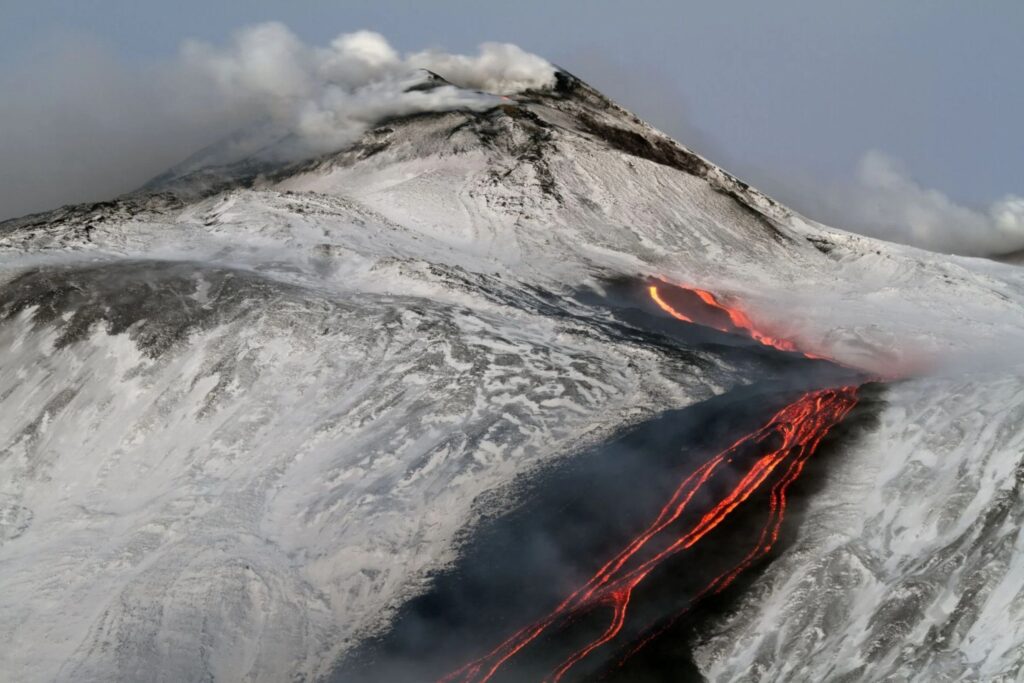
Europe’s most active volcano and the one with the lowest barrier to entry on this list. Etna erupts regularly, sometimes spectacularly, and yet its lower slopes are planted with vineyards producing some of Sicily’s most distinctive wines, and its hiking trails range from gentle walks through lava fields accessible to any reasonably fit visitor to demanding summit hikes requiring certified guides.
The Silvestri Craters trail on the lower slopes winds through ancient volcanic formations accessible without a guide and offers a genuine sense of the volcano’s scale and history. For summit hikes above 2,900 metres, a certified guide is legally required, volcanic activity at the summit is unpredictable and the landscape changes with each eruption.
What makes Etna particularly rewarding as a hiking destination is its context. You are on a working, living volcano in the middle of a Mediterranean island, surrounded by citrus groves and vineyards and the rooftops of Catania visible in the distance below. The contrast between the barren lava fields at altitude and the lush countryside at the base is one of the more disorienting visual experiences in European hiking. Night hikes during active eruption periods, when the summit glows and lava rivers light the upper slopes, are available through specialist operators and are precisely as extraordinary as they sound.
When to go: May to October for the best summit conditions. Spring and autumn offer cooler temperatures on the lower trails. Guides are bookable through the Etna Nord visitor centre at Rifugio Sapienza.
4. Mount Kilimanjaro, Tanzania
Difficulty: non-technical but demanding · Duration: 6-9 days · Elevation: 5,895 metres
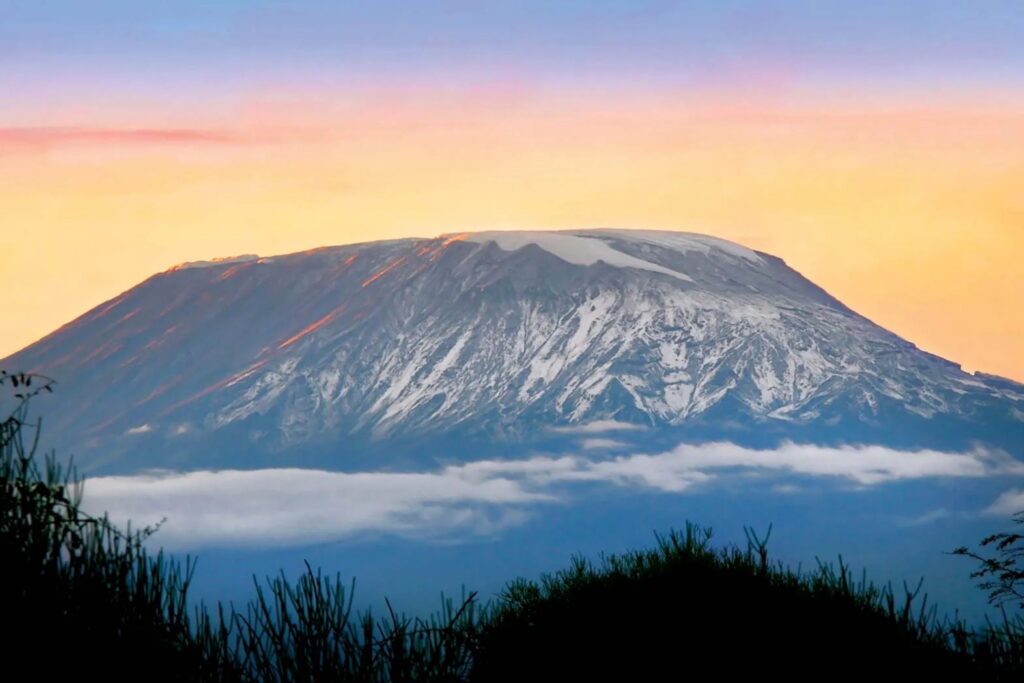
The world’s tallest freestanding volcano and Africa’s highest peak. Kilimanjaro is not a technical climb, no ropes, no crampons on most routes, but at nearly 5,900 metres, altitude is the challenge that determines whether most hikers reach Uhuru Peak or turn back below it.
The mountain passes through five distinct climatic zones on the ascent. Rainforest at the base, where colobus monkeys move through the canopy above the trail. Moorland next, with giant heather and extraordinary light. Then alpine desert, stark and cold and increasingly beautiful in its starkness. Then ice fields and the crater rim. Few hikes on earth compress so much ecological and visual change into a single ascent.
The Lemosho Route, at nine days, is widely considered the finest approach, longer than most routes and therefore giving better acclimatisation time, approaching from the west through wilderness that the shorter, busier routes bypass entirely. The Machame Route at seven days is the most popular and still excellent. Both finish at Uhuru Peak, where a weathered sign marks the roof of Africa at dawn, surrounded by the remnants of a glacier system that has retreated dramatically since the 1970s and that scientists project will be largely gone within two decades.
That last detail is not a footnote. Kilimanjaro’s glaciers are disappearing within a human lifetime. Hiking here now is, in part, a witness to something the planet is losing.
When to go: January to March and June to October offer the best summit conditions. The Lemosho Route requires a minimum of nine days and should be booked through a licensed Tanzanian operator with experienced guides. Permit fees and guide costs are significant, budget $2,000 to $3,500 per person for a reputable guided climb.
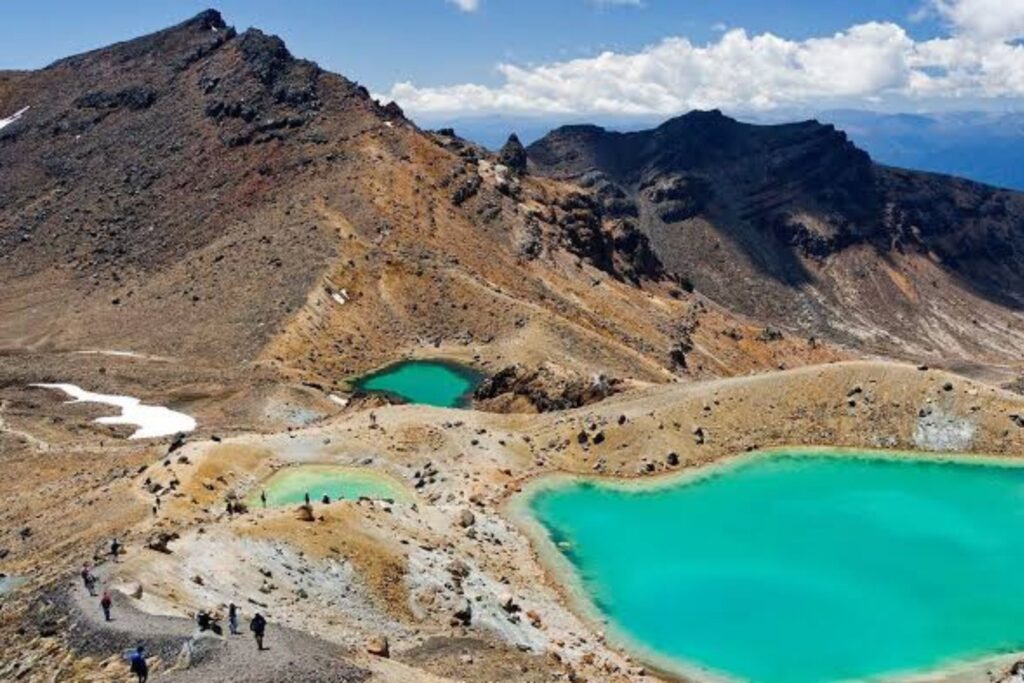
5. Tongariro Alpine Crossing, New Zealand
Difficulty: moderate · Duration: 7-8 hours one way · Elevation: 1,967 metres
Consistently rated among the finest single-day hikes on earth, and one of the few volcano hikes where the trail itself, rather than the summit, is the destination.
The Tongariro Alpine Crossing traverses the active volcanic plateau between Mount Ngauruhoe and Mount Tongariro on New Zealand’s North Island, passing through a landscape so otherworldly that Peter Jackson used it as Mordor in the Lord of the Rings films. The emerald crater lakes, the steaming volcanic vents, the Red Crater that burns orange and rust against the surrounding grey and black, none of it resembles anything in ordinary hiking experience.
The crossing is one-way (19.4 kilometres) and requires a shuttle from the end point back to the start. It is genuinely spectacular in clear conditions and genuinely dangerous in poor weather, the exposed ridgeline section becomes treacherous in high winds or snow, and the mountain creates its own weather unpredictably. Check the Department of Conservation forecast specific to Tongariro on the morning of your hike. If it says dangerous, believe it.
When to go: November to April for the most reliable weather. October and May are possible but more variable. The crossing requires no technical equipment in summer conditions. Shuttles run from Whakapapa Village and National Park township.
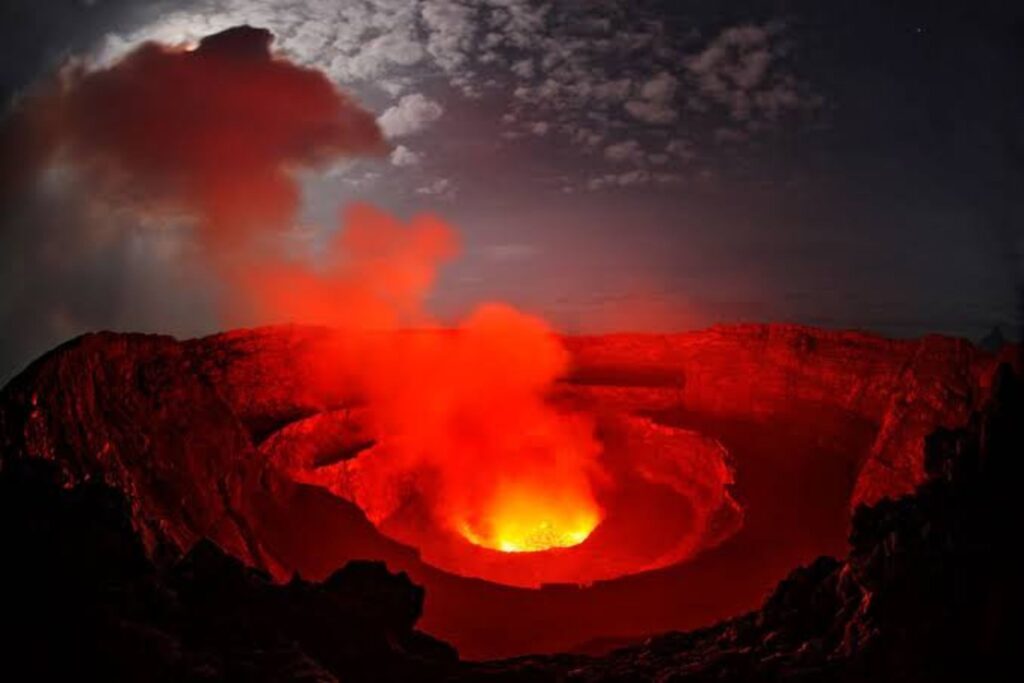
6. Nyiragongo, Democratic Republic of Congo
Difficulty: moderate-strenuous · Duration: 2 days, 1 night · Elevation: 3,470 metres
The most extraordinary and the most logistically challenging entry on this list. Nyiragongo contains the world’s largest and most active lava lake, a permanent, churning pool of molten rock at the summit that is visible from the crater rim, glowing and shifting and alive in a way that no other volcanic feature on earth replicates.
The hike takes five to six hours on steep, forested slopes with aluminium poles as the primary aid on the upper sections. Overnight stays are in basic stone huts at the crater rim, where the lava lake glows below in the darkness and the heat of the earth rises around you. It is, by most accounts of those who have made the journey, unlike anything else available on the planet.
The logistical reality: this hike requires booking through the Virunga National Park authority, hiring mandatory park rangers as guides, and careful research into the current security situation in eastern DRC, which has experienced significant instability. Reputable specialist operators including Journeys by Design and Wild Frontiers run guided expeditions that manage the security and logistics. This is not a hike to organise independently. For travellers who engage with it properly, it is the most unrepeatable experience on this entire list.
When to go: June to September is the recommended season. All bookings must go through Virunga National Park (gorillasandvolcanoes.com). Specialist tour operators are strongly recommended for all aspects of planning and logistics.
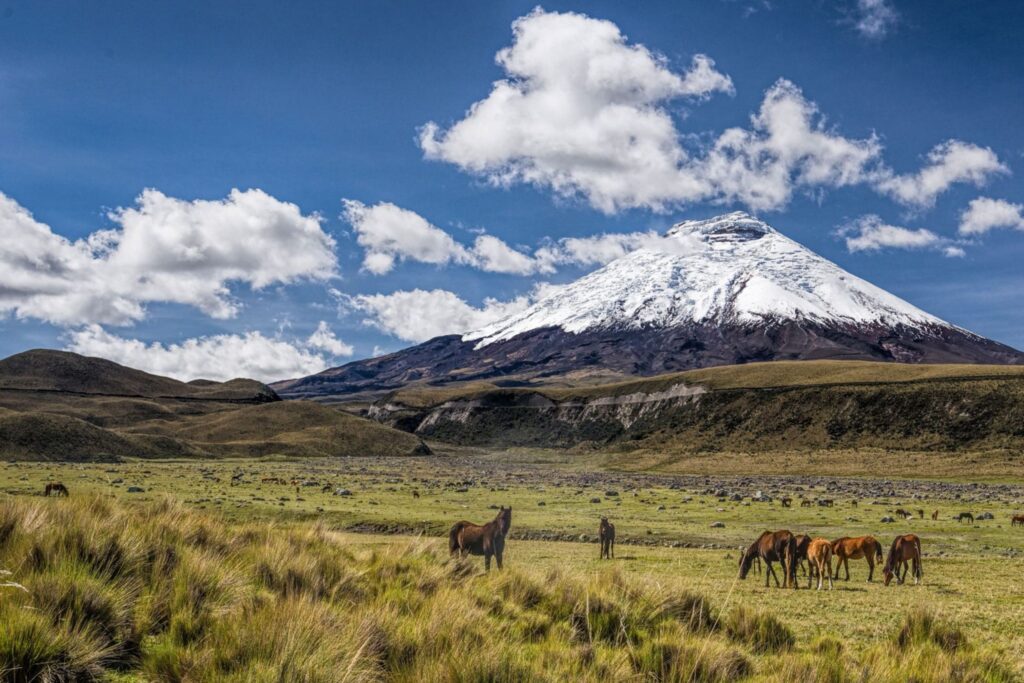
7. Cotopaxi, Ecuador
Difficulty: technically demanding · Duration: 2-day ascent · Elevation: 5,897 metres
One of the highest active volcanoes in the world and the highest on this list above sea level. Cotopaxi’s near-perfect symmetrical cone, rising above Ecuador’s Avenue of Volcanoes plateau, is one of the iconic images in South American geography. Close up, on foot, at 5,000 metres, it is something else entirely.
The summit attempt is a glacier climb requiring crampons, ice axes, and experience with crevasse terrain. Most operators offer five-day acclimatisation programmes that include smaller surrounding peaks before the Cotopaxi summit push, which typically begins at midnight from the Jose Ribas refuge at 4,800 metres. The summit at dawn, with Chimborazo and the Andes stretching out in every direction below, is one of the great high altitude views in the world.
Acclimatisation is non-negotiable here. Spending at least three to four days at altitude in Quito (2,850 metres) and the surrounding highlands before attempting Cotopaxi is the difference between a successful summit and a premature turnaround. Guide agencies in Quito including Compania de Guias de Montana and Andean Face have been operating these climbs safely for decades and are the appropriate starting point for planning.
When to go: November to February and June to September are the driest seasons. The summit push requires certified high altitude guides and should not be attempted independently. Budget five to seven days total including acclimatisation.
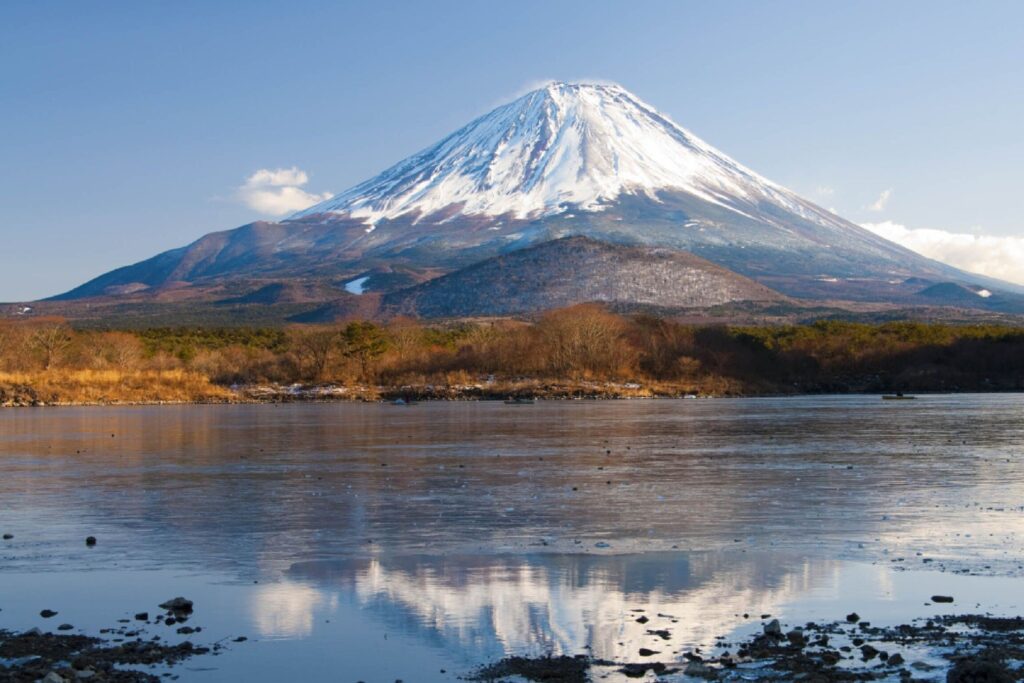
8. Mount Fuji, Japan
Difficulty: moderate · Duration: 7-12 hours return · Elevation: 3,776 metres
Japan’s most recognisable geographical feature and a sacred site in Shinto tradition. More than 300,000 people climb Fuji every year during the official season, which makes it the busiest volcano hike on this list by a considerable distance and also, for the right kind of traveller, irrelevant. The experience of reaching the summit at 3,776 metres in the final hour of darkness, sitting at the crater rim as the sun rises above the clouds below you, the phenomenon the Japanese call Goraiko, is one of the world’s great dawn experiences regardless of how many other people are doing it alongside you.
The Yoshida Trail on the north side is the most popular and best-serviced route, with mountain huts offering food, water, and basic accommodation throughout the climbing season. The Subashiri and Fujinomiya trails offer quieter alternatives with different perspectives of the mountain. Night climbs, departing around 10pm to time the summit arrival for dawn, are the standard approach and the one that delivers the fullest experience.
Outside the official climbing season (July to early September), the trails are officially closed, snow conditions are unpredictable, and the mountain huts do not operate. The temptation to climb out of season should be resisted unless you have appropriate cold weather and navigation experience.
When to go: July to early September. Book mountain hut accommodation well in advance if you plan an overnight stop, popular huts on the Yoshida Trail fill months ahead. Access from Tokyo via the Fujisan Express bus to Fuji Subaru Line 5th Station.
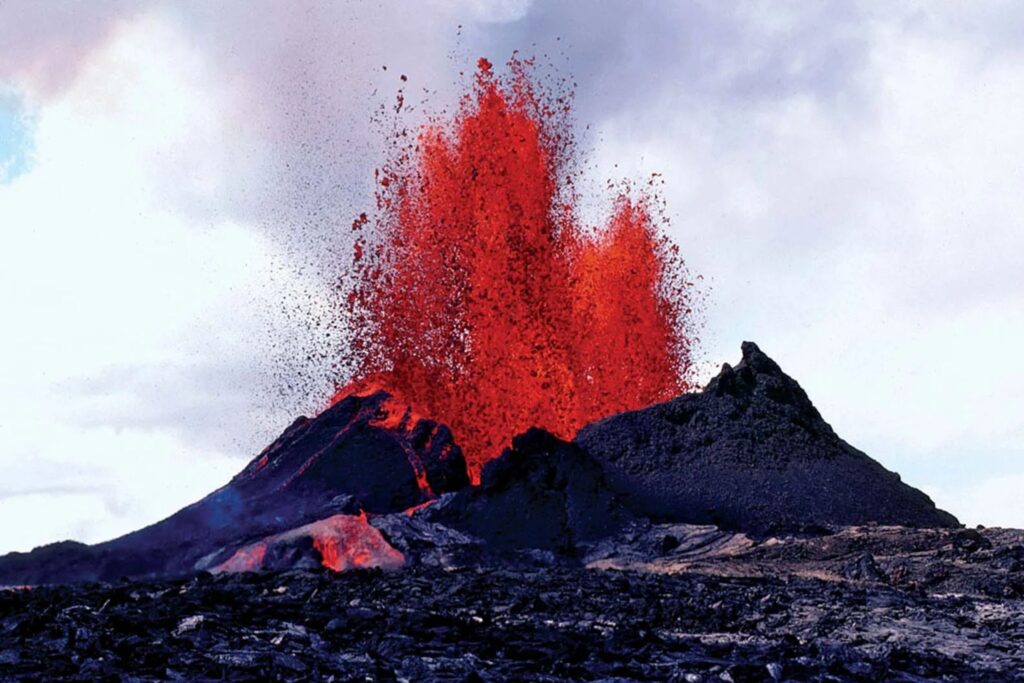
9. Kilauea, Hawaii, USA
Difficulty: easy to moderate · Duration: 2-5 hours depending on route · Elevation: 1,247 metres
The most accessible active volcano experience on earth and the one most likely to show you something genuinely unrepeatable. Kilauea, within Hawaii Volcanoes National Park on the Big Island, has been erupting more or less continuously since 1983. The landscape it has created, vast fields of hardened black lava, steam vents rising from cracks in the earth, craters where the floor was liquid rock within living memory, is unlike anything available to hikers anywhere else on earth.
The Kilauea Iki Trail is the standout experience, a four-mile loop that descends from the crater rim through rainforest and then across the crater floor itself, where hikers walk on the solidified crust of a lava lake that was 130 metres deep in 1959. The crust is solid and the trail is marked, but the knowledge of what is below and the steam vents rising through cracks around you make it unlike any other hike in the national park system.
Lava viewing, watching active flows enter the ocean or move across the landscape, depends entirely on current volcanic activity and changes week to week. The National Park Service’s Kilauea eruption update page (nps.gov/havo) provides real-time information on what is visible and accessible on any given visit.
When to go: year-round. Hawaii Volcanoes National Park is open 24 hours. The Kilauea Iki Trail is accessible and well-maintained in all seasons. Check the NPS eruption update page before visiting for current lava activity and trail conditions.
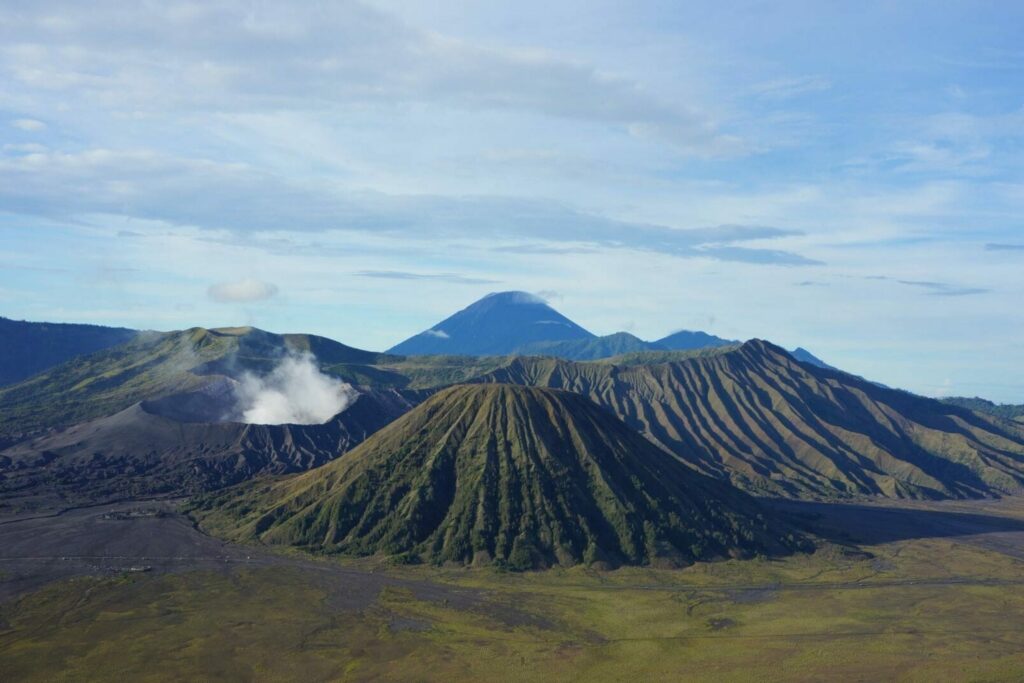
10. Mount Bromo, Java, Indonesia
Difficulty: easy · Duration: 2-3 hours for the sunrise experience · Elevation: 2,329 metres
The most photogenic volcano on this list and the one requiring the least hiking experience. Bromo sits within the Tengger Massif in East Java alongside the much taller Mount Semeru, and is surrounded by a vast sea of volcanic sand, the Segara Wedi, that creates a landscape so strange it has been used as a stand-in for other planets in numerous film productions.
The standard experience begins at 3am, driving by jeep to a viewpoint above the caldera in darkness, waiting for the sunrise to illuminate Bromo and Semeru simultaneously in a light display that changes by the minute, and then descending to the crater itself, a 45-minute walk across the sand sea followed by a staircase of 253 steps to the rim, where the active crater exhales sulphurous smoke in your face and the scale of the surrounding caldera becomes apparent.
Bromo requires almost no physical preparation compared to everything else on this list. What it does require is accepting that you will not be alone, it is one of the most visited volcanic attractions in Southeast Asia and the sunrise viewpoint fills with jeeps and visitors. The crater itself, once the morning rush clears, is quieter, and the walk across the sand sea in the early light, with the volcanic peaks visible in every direction, retains its power regardless of the crowds.
When to go: April to October, the dry season. Avoid the wet season when the sand sea becomes difficult to cross and cloud frequently obscures the sunrise. Most visitors stay overnight in Cemoro Lawang village at the crater rim.
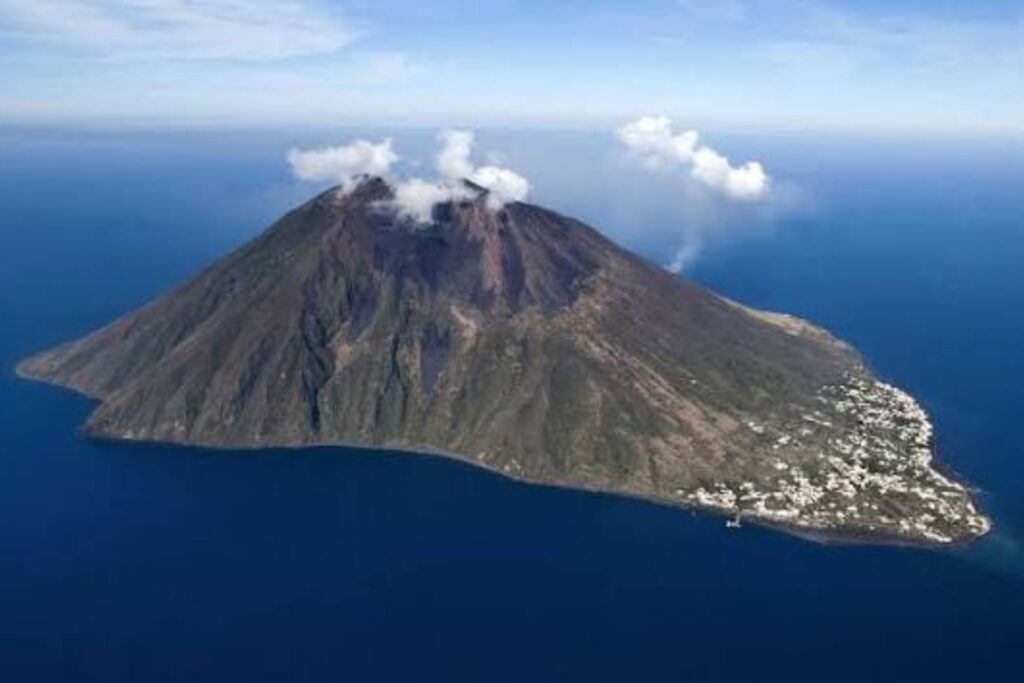
11. Stromboli, Aeolian Islands, Italy
Difficulty: strenuous · Duration: 4-5 hours return · Elevation: 924 metres
The Lighthouse of the Mediterranean. Stromboli has been erupting continuously for at least 2,000 years, the ancient Greeks believed it to be the chimney of the forge of Hephaestus, and its reliable, regular eruptions every fifteen to twenty minutes have made it one of the most studied volcanoes on earth. Standing at the designated viewing point near the summit craters as the sky darkens and the eruptions begin to illuminate the plume from within is one of the most extraordinary natural spectacles available anywhere in Europe.
Guided hikes are mandatory above 400 metres and depart in the afternoon to time the summit arrival for dusk. The hike itself is steep and loose underfoot on the upper section, requiring good boots and moderate fitness. The descent is typically in darkness using headlamps. After the hike, the village below, tiny, white-walled, car-free, offers one of the finest settings for a post-hike dinner in the Mediterranean, with Stromboli’s cone glowing on the horizon as you eat.
The Aeolian Islands are reached by ferry or hydrofoil from Milazzo in Sicily or Naples on the Italian mainland. Stromboli is the furthest north of the seven islands and the most dramatic.
When to go: May to October. Guided hikes must be booked in advance through licensed operators including Magmatrek (magmatrek.it), who have been operating summit hikes on Stromboli for over 25 years. Book ahead during July and August when places fill quickly.
How these compare
| Volcano | Country | Duration | Difficulty | The one thing |
|---|---|---|---|---|
| Acatenango | Guatemala | 2 days | Strenuous | Watching Fuego erupt from camp, all night |
| Kawah Ijen | Indonesia | 4-6 hours | Moderate | Blue fire at 2am in a gas mask |
| Mount Etna | Italy | Half day to full day | Easy to strenuous | Europe’s most active volcano, in a vineyard |
| Mount Kilimanjaro | Tanzania | 6-9 days | Demanding | Five ecosystems, the roof of Africa |
| Tongariro Crossing | New Zealand | 7-8 hours | Moderate | Mordor. Actually Mordor. |
| Nyiragongo | DR Congo | 2 days | Moderate-strenuous | The world’s largest lava lake, at the rim |
| Cotopaxi | Ecuador | 5-7 days | Technical | Glacier climbing at 5,897 metres |
| Mount Fuji | Japan | 7-12 hours | Moderate | Goraiko, watching dawn from Japan’s summit |
| Kilauea | Hawaii, USA | 2-5 hours | Easy to moderate | Walking on a lava lake that was liquid in 1959 |
| Mount Bromo | Indonesia | 2-3 hours | Easy | A sand sea. Four volcanoes. One sunrise. |
| Stromboli | Italy | 4-5 hours | Strenuous | Eruptions every 20 minutes. At night. From the rim. |
Which volcano is right for you?
If you want the most unforgettable single night of your life: Acatenango, Guatemala. No competition.
If you want something genuinely unlike anything else on earth: Kawah Ijen, Indonesia. The blue fire is non-negotiable.
If you want a serious multi-day expedition: Kilimanjaro for non-technical, Cotopaxi for glacier climbing.
If you want the finest one-day hike: Tongariro Alpine Crossing, New Zealand. Consistently rated among the world’s best.
If you have limited time or fitness: Mount Bromo or Kilauea. Both extraordinary, both accessible.
If you want Europe without flying long haul: Etna or Stromboli. Both in Sicily’s orbit, both remarkable.
If you are prepared for genuine logistical complexity: Nyiragongo. The lava lake is worth every complication.
A note on safety and guides
Several volcanoes on this list, Etna above 2,900 metres, Stromboli above 400 metres, Nyiragongo throughout, legally require certified guides. Others strongly recommend them. Volcanic environments change unpredictably and the guides operating on these mountains have current knowledge of conditions, active vents, and safe routes that no map or guidebook can replicate.
Check the volcanic activity status of any destination through the relevant national park authority or geological survey before travel. Iceland’s Met Office (vedur.is), the USGS Hawaiian Volcano Observatory (volcanoes.usgs.gov), and Italy’s INGV (ingv.it) all publish real-time volcanic monitoring data.