
The spa industry will tell you wellness is a hot stone massage and a green juice. It is not. Actual wellness, the kind that rewires something, that you think about for years, that changes how you operate inside your own life, is usually found at the edge of what you thought you could handle.
These 10 experiences are ranked by discomfort. Not danger. Not pain. Discomfort, that specific productive friction between who you are and who you might become if you stop flinching for a while.
Start at number one if you’re curious. Work your way down if you’re serious.
1. Wild Swimming and Sauna, Scandinavia
Discomfort level: The gateway drug
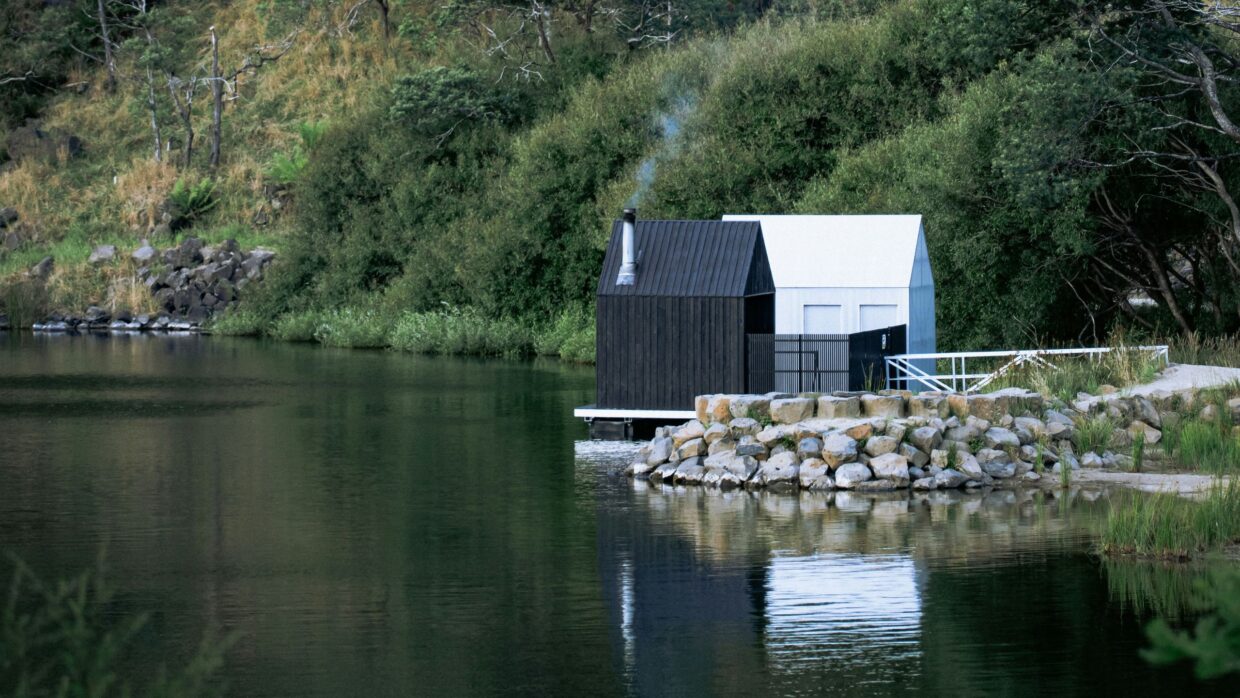
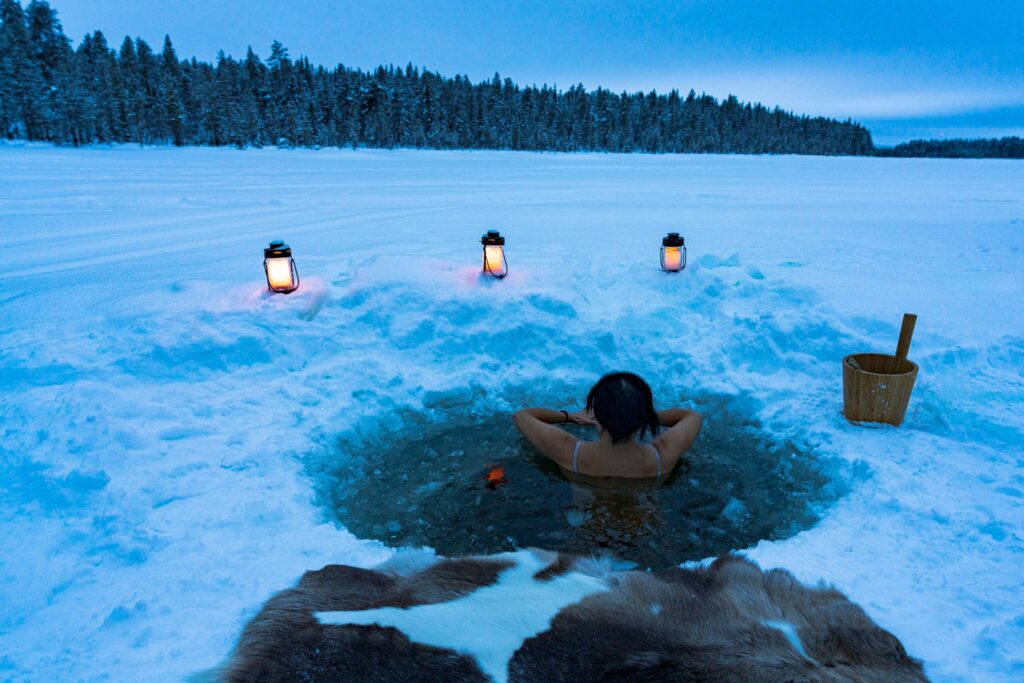
The Finnish have been doing this for thousands of years: heat the body in a wood-fired sauna until sweating becomes involuntary, then walk calmly into a lake, river, or the Baltic Sea, in temperatures that can drop well below zero in winter, hold your breath, and stay until the cold becomes something other than cold.
It sounds simple. It is simple. And the physiological effect, a full-body reset of the nervous system, a flood of endorphins, a particular kind of mental clarity that no supplement has yet replicated, is the reason half of Finland does this at least once a week.
The most authentic way to experience it is not at a spa but at a traditional public sauna. Helsinki’s Löyly and Allas Sea Pool both have wood-fired saunas opening directly onto the Baltic. In winter, you cut a hole in the ice. In summer, you walk into the sea. Either way, the shock of the cold, and the extraordinary calm that follows, is the point.
“The cold water does something to you that nothing else does. By the third time you get in, it stops being frightening and becomes something else entirely.”
- Vibe: Accessible, ancient, immediately effective
- Price: Public sauna entry from €15–€25; private sauna rental from €80/session
- Don’t skip: Staying in the cold water past the first instinct to get out, the shift happens around 30–60 seconds in
- Heads up: Never go alone in winter; always go with someone who knows the water and the conditions
2. Extended Floatation Tank Session, Worldwide
Discomfort level: Your brain has never been this quiet
Most people who try a float tank do 60 minutes and find it deeply relaxing. Some find it mildly claustrophobic. A small number find the hour goes past in what feels like ten minutes, and emerge blinking into the light with no idea where they went.
None of that is what’s on this list. What’s on this list is three hours.
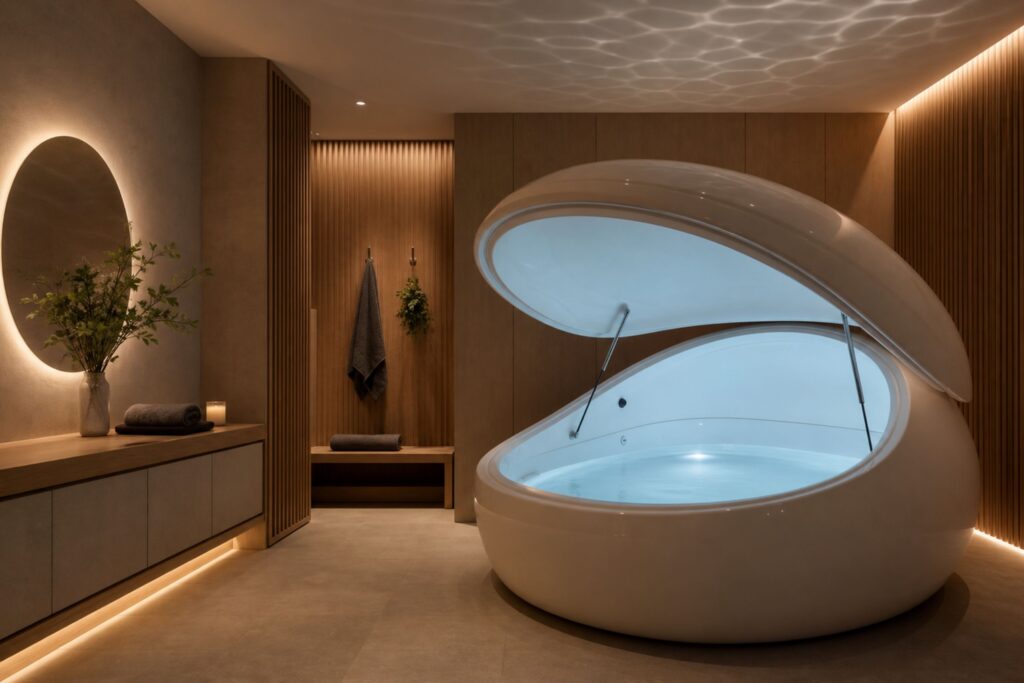
Floatation-REST (Restricted Environmental Stimulation Therapy) involves floating in a soundproof, lightproof pod filled with skin-temperature water saturated with enough Epsom salt to make you entirely buoyant, eliminating sight, sound, gravity, and the sensation of where your skin ends and the water begins. At 60 minutes, it’s restorative. At 90 minutes, the default mode network of the brain shifts measurably. At three hours, several things can happen that a 60-minute session simply cannot produce: visual phenomena, geometric patterns, colour washes, occasionally more vivid imagery, as the brain, deprived of all external input, begins generating its own. A 2015 study confirmed that sensory deprivation produces these experiences across the board, in both high- and low-prone individuals.
Float centres globally offer extended sessions. In London, Float Hub offers three-hour bookings. In New York, Vessel Float runs extended sessions on their largest pods. Most cities with a dedicated float centre will accommodate extended bookings on request.
The discomfort is psychological rather than physical: the first 20 minutes of genuine sensory silence tend to surface whatever the mind has been avoiding. The next two and a half hours are on your own terms.
“An hour is relaxing. Three hours is a conversation with yourself you didn’t know you needed to have.”
- Vibe: Sensory dissolution, deeply interior, legally available everywhere
- Price: Standard float from ~£50–£80/hour; three-hour sessions typically ~£100–£150
- Don’t skip: Committing to the full three hours rather than stopping at ninety minutes, the experience is non-linear and the most interesting territory tends to arrive in the second half
- Heads up: Not recommended for individuals with a personal or family history of psychosis or dissociative disorders, consult a doctor first
3. Wim Hof Method Retreat, Alps, Iceland, or the Netherlands
Discomfort level: The cold becomes your teacher
Wim Hof, the Dutch extreme athlete who holds multiple world records for cold exposure, developed a method combining specific breathwork patterns, cold immersion, and mindset training that has been validated in clinical studies as capable of voluntarily influencing the autonomic nervous system. In a 2014 study published in PNAS, people trained in the method measurably suppressed immune responses and reduced inflammation on demand. This was previously considered biologically impossible.
Certified Wim Hof Method retreats run across Europe and beyond, popular locations being Iceland, the Dutch mountains, the Alps, and Poland. A typical programme runs three to seven days and includes daily breathwork sessions (which produce altered states through hyperventilation that must be experienced rather than described), progressive cold immersion in ice baths and glacial rivers, mindset coaching, and nature immersion.
The breathwork alone, on the first session, tends to stop most participants mid-session. The ice bath, after forty-five minutes of that breathwork, is genuinely survivable in a way that surprises everyone who does it.
“By day three you are not the same person who arrived. That’s not a metaphor. Your nervous system has literally changed how it responds.”
- Vibe: Science-backed, physically demanding, transformative
- Price: From ~€800–€2,500 for a multi-day certified retreat depending on location and duration
- Don’t skip: The breathwork session before the ice bath, it is the key that makes the cold manageable and the experience meaningful
- Heads up: Contraindicated for people with cardiovascular conditions, high blood pressure, or certain respiratory conditions, check with a doctor before booking
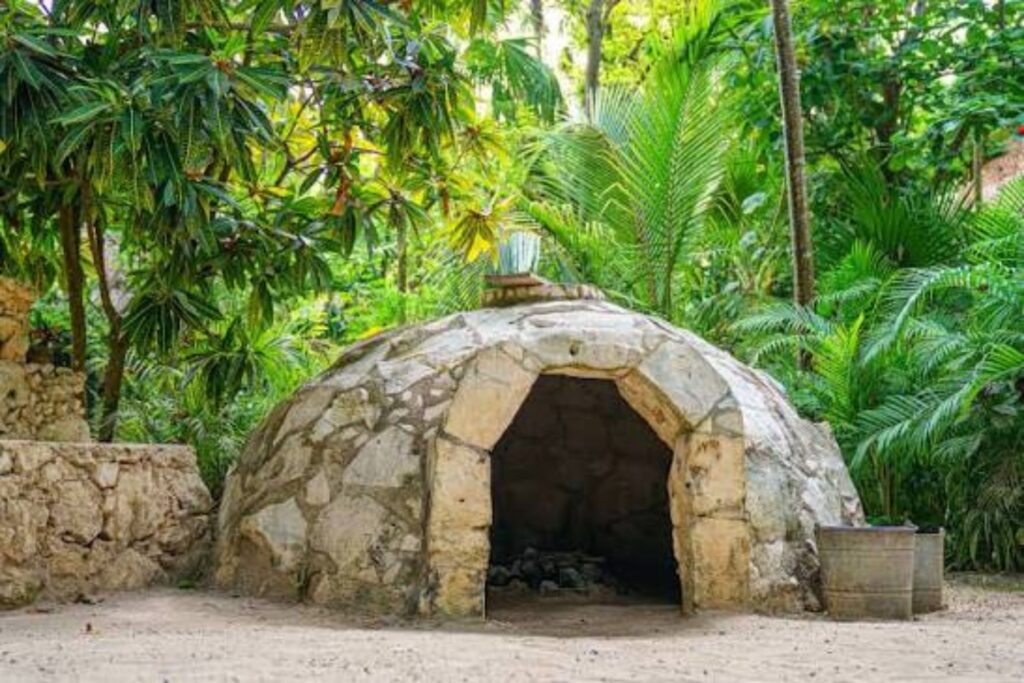
4. Temazcal Sweat Lodge, Mexico
Discomfort level: Primal and claustrophobic in equal measure
The temazcal is a pre-Columbian sweat lodge used by indigenous communities across Mexico for physical and spiritual purification, a low stone or clay dome, sealed and dark, filled with steam from volcanic rocks over which the shaman pours water infused with medicinal herbs. Temperatures rise well above 50°C. The ceremony can last two to three hours. There is no air conditioning, no exit on demand, and no light.
The experience is simultaneously physically demanding and deeply ceremonial. Participants sing, chant, and breathe through the heat in a structure designed specifically to replicate the womb, the exit through the small door at the end is understood as a rebirth. Several luxury wellness resorts now offer temazcal as part of their programme, including properties on the Riviera Maya and in Oaxaca, but the most powerful versions are those run by genuine indigenous practitioners rather than hotel spa departments.
The discomfort is real: the heat, the darkness, the confined space, and the duration all push against what the body’s instincts want to do. People who leave before the ceremony ends almost always describe it as the one thing they most wish they’d stayed for.
- Vibe: Indigenous ceremony, physical and spiritual simultaneously, darkness is part of the design
- Price: From ~$30–$50 for a community temazcal; resort versions from $100–$200 per person
- Don’t skip: Asking who leads the ceremony before booking, authentic indigenous-led ceremonies are fundamentally different from hotel-spa versions
- Heads up: The heat is genuine and extreme, people with cardiovascular conditions, pregnancy, or claustrophobia should not participate
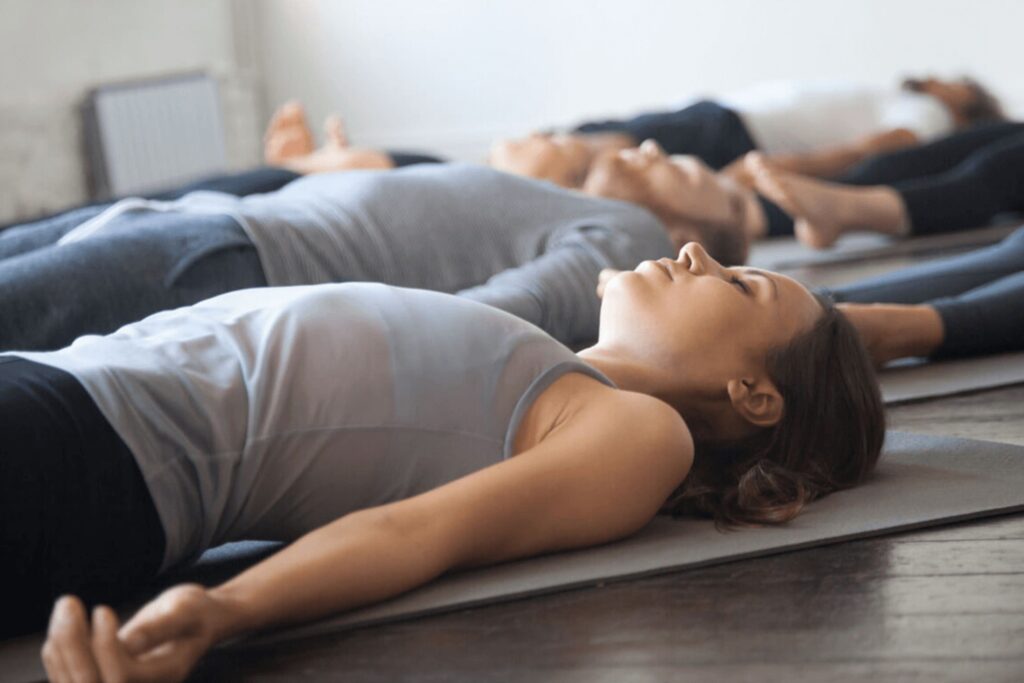
5. Holotropic Breathwork, Europe, USA, or Worldwide
Discomfort level: Non-chemical altered states, no passport required for your unconscious
Developed in the 1970s by psychiatrist Stanislav Grof, who had spent years researching LSD-assisted psychotherapy before it became illegal, Holotropic Breathwork was his attempt to produce the same depth of inner experience through breath alone. It works.
The technique involves accelerated, rhythmic breathing sustained for two to three hours, accompanied by loud evocative music chosen specifically to match and amplify the internal journey, lying on a mat with a trained “sitter” beside you. What happens next varies: some people experience intense emotional release, surfacing memories or feelings that have been suppressed for years. Some experience vivid visual imagery. Some enter what Grof called “perinatal” experiences, states that feel connected to birth or death. Some simply cry for an hour and feel inexplicably lighter afterwards.
There is no substance involved. The altered state is produced entirely by breath and music. The discomfort comes from the fact that you cannot control what surfaces, the practice is specifically designed to bypass the mind’s usual editorial function.
Certified GTT (Grof Transpersonal Training) workshops run across Europe and North America throughout 2026, including sessions in Ireland, the UK, Germany, France, Portugal, and the US. Weekend workshops typically run €350–€500; longer residential programmes more.
“I went in sceptical. I came out having experienced something I couldn’t explain for three weeks and couldn’t stop thinking about for three months.”
- Vibe: Non-substance depth work, psychologically intense, available everywhere
- Price: Weekend workshops from ~€350–€500; multi-day retreats from ~€800–€1,200
- Don’t skip: The mandala drawing and group integration session afterwards, how you process what happened matters as much as what happened
- Heads up: Not recommended for people with cardiovascular conditions, epilepsy, or certain psychiatric diagnoses, all reputable operators screen participants
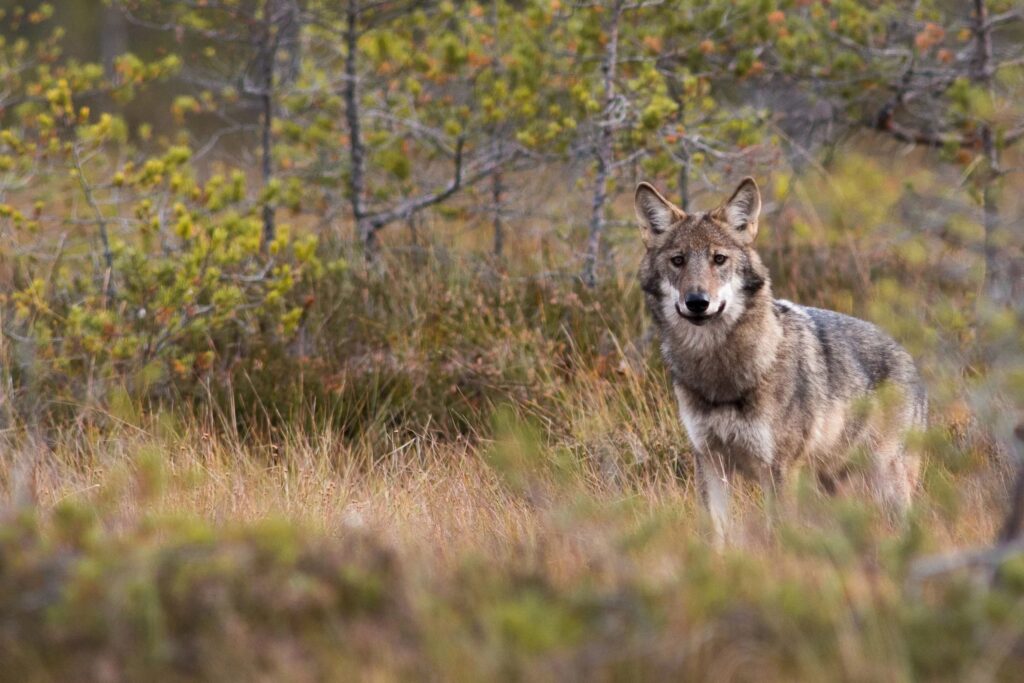
6. Wolf Tracking and Wild Swimming, Sweden
Discomfort level: The forest is not your habitat and your body knows it
Much Better Adventures runs what is arguably the most unusual wellness itinerary in Scandinavia: a multi-day retreat in a secret location in central Sweden’s pine forests, revealed only at the first meetup point, combining wolf tracking with wild swimming, wood-fired tent saunas, and foraging. The secrecy prevents any pre-arrival research that might dilute the experience of arriving somewhere genuinely unknown.
Wildlife spotting includes moose, lynx, beavers, and the wolves themselves, tracked through forests where the evidence of their presence (tracks, territorial markings, the particular silence that falls when something large has recently moved through) is as affecting as any actual sighting.
The discomfort is primal: moving through forest where apex predators live, wild swimming in lakes with no management or lifeguards, sleeping in environments where weather is not buffered by infrastructure. The body’s threat-detection systems, permanently suppressed by urban life, come quietly online, and most participants describe this as the most unexpectedly alive they’ve felt in years.
- Vibe: Primal, Scandinavian, the kind of alive you forgot was possible
- Price: From ~£1,200–£1,800 for a multi-day retreat including guiding, accommodation, and meals
- Don’t skip: The sauna-to-lake cycle at night, the forest sounds different after dark
- Heads up: A genuine wilderness experience, not a managed outdoor activity, physical fitness and comfort with real uncertainty are both required
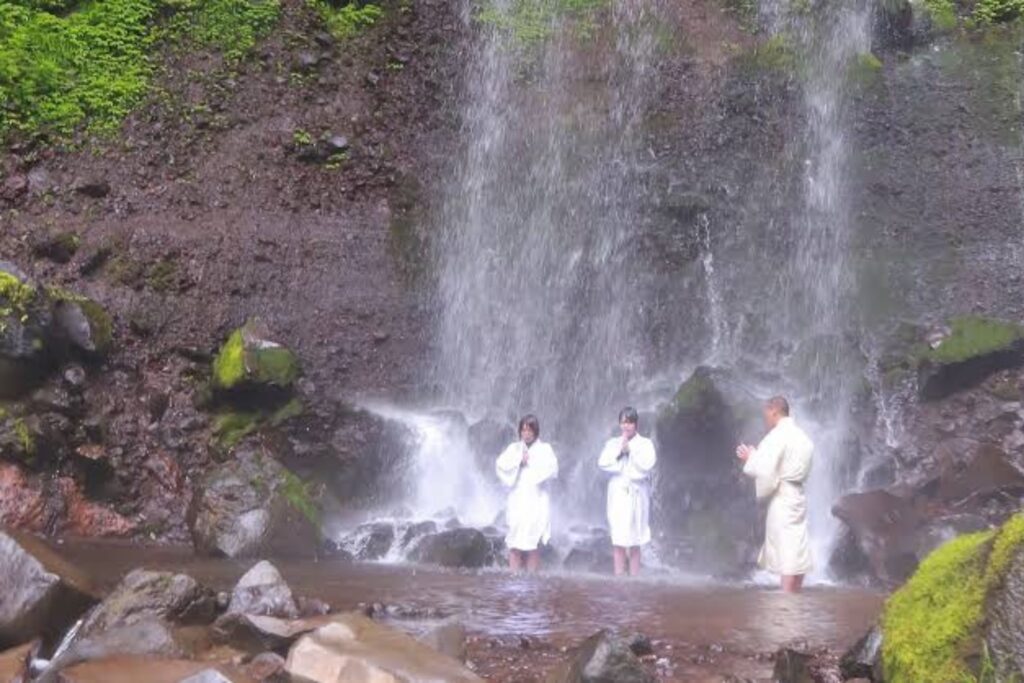
7. Waterfall Meditation (Shugendo), Japan
Discomfort level: Cold, ceremonial, and older than most countries
Shugendo is an ancient Japanese spiritual tradition centred on self-discipline through immersion in natural environments. One of its core practices is misogi, standing under a waterfall, often in near-freezing mountain water, for an extended period of focused breathwork and prayer, as a form of spiritual purification.
In Mie Prefecture’s Ise-Shima National Park, the Shirataki Donguri Koya no Kai Association offers guided one-day retreats to the sacred site of Shirataki Daimyojin, where participants can experience a guided version of the waterfall practice alongside forest walking and traditional ceremony. The water is mountain-cold year-round. The practice requires the participant to enter and remain focused rather than reactive, which is harder than it sounds when cold water is falling on your head.
The tradition has been practiced continuously for over 1,400 years. The discomfort has always been the point.
“The waterfall doesn’t care about your thoughts. That’s precisely why you stand in it.”
- Vibe: Ancient, cold, deeply Japanese, ceremonial
- Price: Day retreat from ~¥10,000–¥20,000
- Don’t skip: The briefing from the guide before entering the water, the breathwork preparation is what makes the practice rather than merely the cold exposure
- Heads up: Fundamentally different from cold exposure for its own sake, the spiritual and ceremonial framing is integral to the experience
8. Tummo Inner Fire Meditation, Nepal, Europe, or USA
Discomfort level: Learning to generate heat with your mind
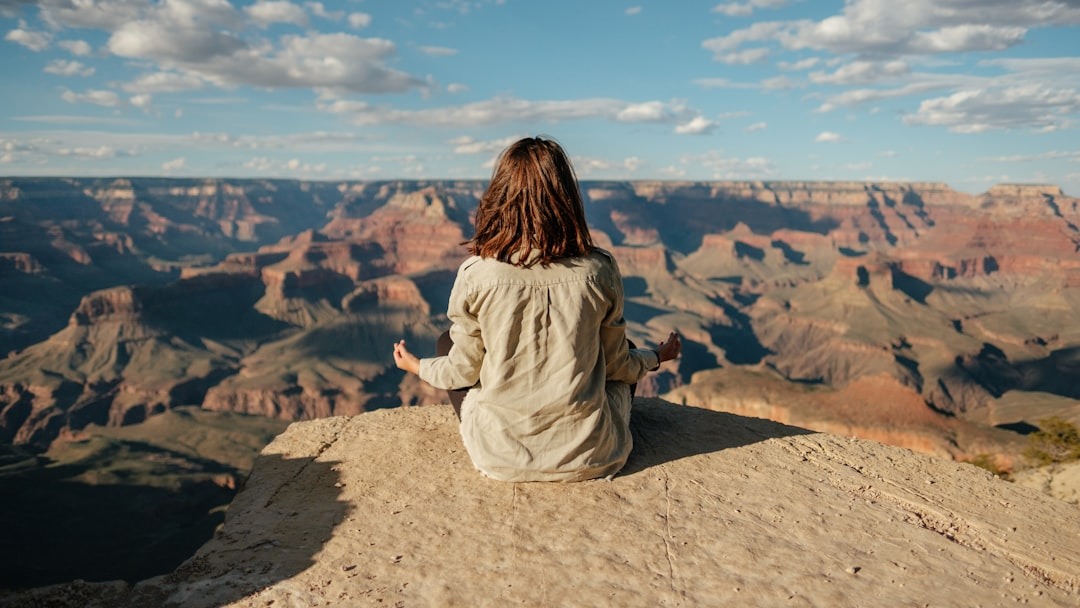
Tummo is one of the Six Yogas of Naropa, the Vajrayana Buddhist practices that sit at the apex of Tibetan meditation tradition, and the source from which Wim Hof derived much of his cold exposure method. Where Wim Hof adapted the outer form, Tummo is the original: a precise combination of breath control, physical posture, and visualisation designed to generate measurable heat in the body from within.
The most famous account of the practice comes from Alexandra David-Néel, who in the 1920s witnessed Tibetan monks sitting in sub-zero temperatures, wrapped in wet sheets, and drying them with body heat generated through Tummo alone. A 2013 Harvard Medical School study confirmed that experienced practitioners can raise their core body temperature significantly during Tummo practice.
The practice is traditionally transmitted directly from teacher to student, it is not something learned from a book. Today, Tulku Lobsang Rinpoche, one of the foremost living masters of Tummo, offers open retreats globally with permission from the Dalai Lama. In 2026 his schedule includes a retreat in Nepal in August and intensive seminars across the UK, Czech Republic, Germany, Netherlands, and Poland through the autumn. Introductory workshops also run in the USA through Tibet House’s Menla retreat centre in New York State.
The discomfort here is the sustained focus required: Tummo demands precise breath control, vivid visualisation, and extended concentration at levels that make ordinary meditation feel like light stretching.
“Monks dried wet sheets with their body heat. That’s the ceiling. You’re starting at the floor. But the floor is still somewhere most people have never been.”
- Vibe: Tibetan lineage practice, physiologically verifiable, demanding and ancient
- Price: Intensive seminars from ~€140–€300; multi-day retreats from ~€400+; Menla programmes from ~$300–$500
- Don’t skip: Attending an in-person transmission with a lineage holder rather than learning from online resources, the practice is specifically designed for direct transmission
- Heads up: Introductory programmes are open to all backgrounds; deeper practice traditionally requires a foundation in Vajrayana Buddhism
9. Ayahuasca Ceremony, Peru or Costa Rica
Discomfort level: You will meet yourself. Bring patience.
Ayahuasca is a plant medicine brew prepared from two Amazonian plants, used for centuries by indigenous Amazonian communities for healing and spiritual insight. It is legal in Peru, Costa Rica, Brazil, Colombia, and several other countries. Johns Hopkins University published research in 2020 finding that ayahuasca ceremonies produced significant and lasting reductions in depression and anxiety symptoms in participants who had not responded to conventional treatments.
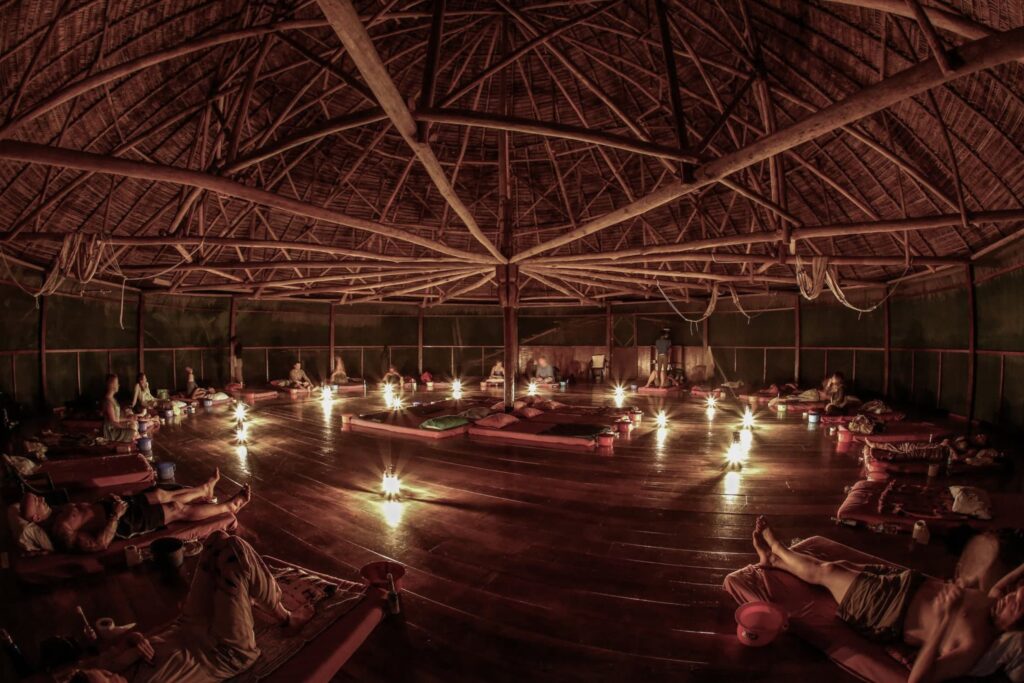
The ceremony typically takes place at night, lasts four to eight hours, and is facilitated by an experienced shaman or trained practitioner. The experience, which involves vivid visual and emotional states, often including direct confrontation with suppressed memories, fears, and psychological patterns, is described by most participants as the most difficult and most important thing they have ever done.
Reputable retreat centres include Rythmia Life Advancement Center in Costa Rica (the world’s first medically licensed ayahuasca centre, with on-site medical staff) and several established Shipibo-tradition centres in Peru’s Sacred Valley and Amazon. All serious retreat operators conduct thorough medical and psychological screening before acceptance.
- Vibe: Confronting, transformative, not recreational, deeply serious
- Price: From ~$800 for a basic retreat with ceremonies; reputable multi-day retreats from ~$2,500–$5,000
- Don’t skip: The preparation period, serious operators require a dietary and substance-free dieta for two weeks beforehand, which significantly affects the experience
- Heads up: Research your retreat operator thoroughly. Reputable centres screen participants medically, have experienced facilitators, and provide integration support after the ceremony. Avoid informal operators who do not screen.
10. Vipassana, 10 Days of Noble Silence
Discomfort level: The hardest thing on this list, and it’s free
Ten days. No talking. No reading. No writing. No phone. No eye contact with other participants. No food after midday. Wake at 4:30am. Meditate for ten to twelve hours a day. Repeat.
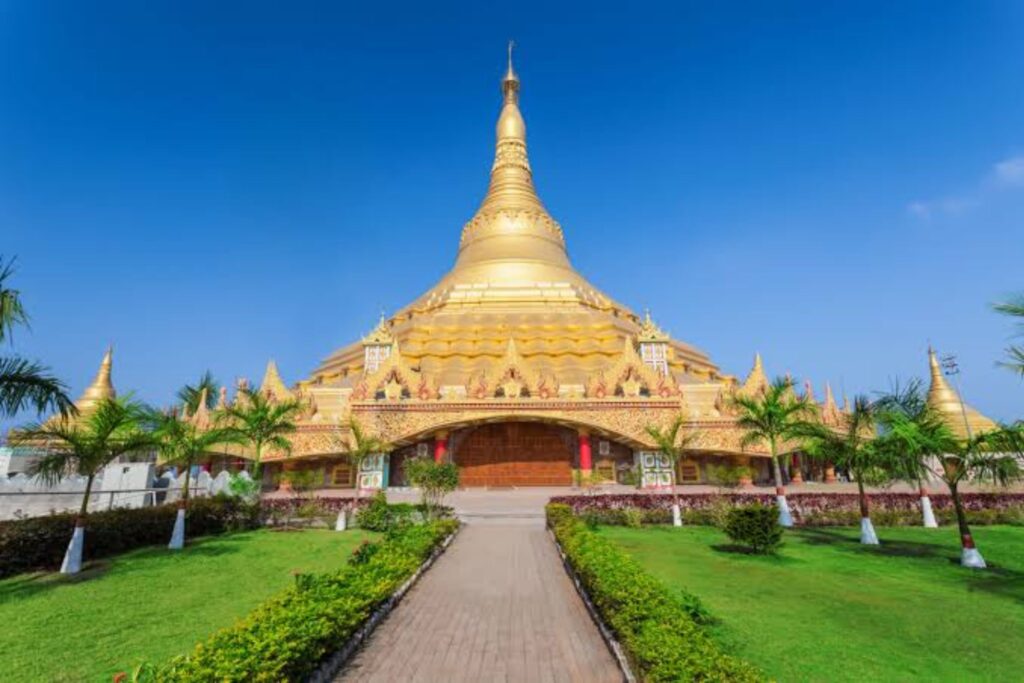
Vipassana, meaning “to see things as they really are”, is one of the oldest meditation techniques in the world, taught for over 2,500 years and offered today at over 170 centres worldwide through the network established by S.N. Goenka. The courses are run entirely on a donation basis: you pay nothing to attend. Previous participants fund new students. You only donate if you complete the course and wish to enable someone else to do the same.
The technique itself is simple: observe the breath, then observe sensations throughout the body, without reacting to them. What is not simple is doing this for ten hours a day in complete silence, while your mind, deprived of every distraction it has used for years, begins to surface everything it has been storing. Days three and four are described consistently, across cultures and backgrounds, as the most difficult. By day seven, something shifts. By day ten, participants emerge into speech having spent longer with themselves, unmediated and unescaped, than at any point in their adult lives.
“I went in thinking ten days of silence sounded peaceful. By day two I understood it was the hardest thing I had ever done. By day ten I understood why people come back.”
The standard Goenka course is available at centres across Ireland, the UK, Europe, Asia, and North America. There is a waiting list at most locations. There is no cost.
- Vibe: The most democratic and most demanding wellness experience on Earth
- Price: Free (dana, voluntary donation after completion)
- Don’t skip: Reading the code of discipline in full before you go, the rules exist for reasons that become clear after day one
- Heads up: People with serious mental health conditions, including recent trauma, psychosis, or severe depression, are asked not to attend without first consulting a doctor — the depth of the inner experience can be destabilising without adequate preparation
Quick comparison
| Experience | Location | Duration | From | Discomfort type |
|---|---|---|---|---|
| Wild Swimming & Sauna | Finland/Scandinavia | Hours | ~€15 | Physical, cold |
| Extended Float Tank | Worldwide | 3 hours | ~£100 | Psychological, sensory silence |
| Wim Hof Retreat | Alps/Iceland | 3–7 days | ~€800 | Physical + nervous system |
| Temazcal | Mexico | 2–3 hours | ~$30 | Heat, darkness, ceremony |
| Holotropic Breathwork | Europe/USA | Weekend | ~€350 | Emotional, non-substance |
| Wolf Tracking & Wild Swimming | Sweden | Multi-day | ~£1,200 | Primal, wilderness |
| Waterfall Meditation | Japan | Day retreat | ~¥10,000 | Cold, ceremonial |
| Tummo Inner Fire | Nepal/Europe/USA | 2–7 days | ~€140 | Mental intensity, breath control |
| Ayahuasca Ceremony | Peru/Costa Rica | Multi-day | ~$2,500+ | Deep psychological |
| Vipassana | Worldwide | 10 days | Free | Everything at once |
A note before you book
Several experiences on this list, particularly ayahuasca, Vipassana, and holotropic breathwork, require careful preparation, honest self-assessment, and ideally some form of integration support afterwards. The discomfort is the mechanism, not the goal. Go slowly. Go seriously. Go with the right operator.
The spa will always be there when you get back.
If you only do one
- If you’ve never done anything like this: Wild swimming and sauna, the gateway is low, the effect is real, and you’ll understand immediately why people build their lives around it
- If you want to understand what your nervous system is actually capable of: Wim Hof Method retreat
- If you’re ready for something that permanently changes your relationship with your own mind: Vipassana
Some links in this post are affiliate links. If you book through them, flight.now earns a small commission at no extra cost to you. Learn more here