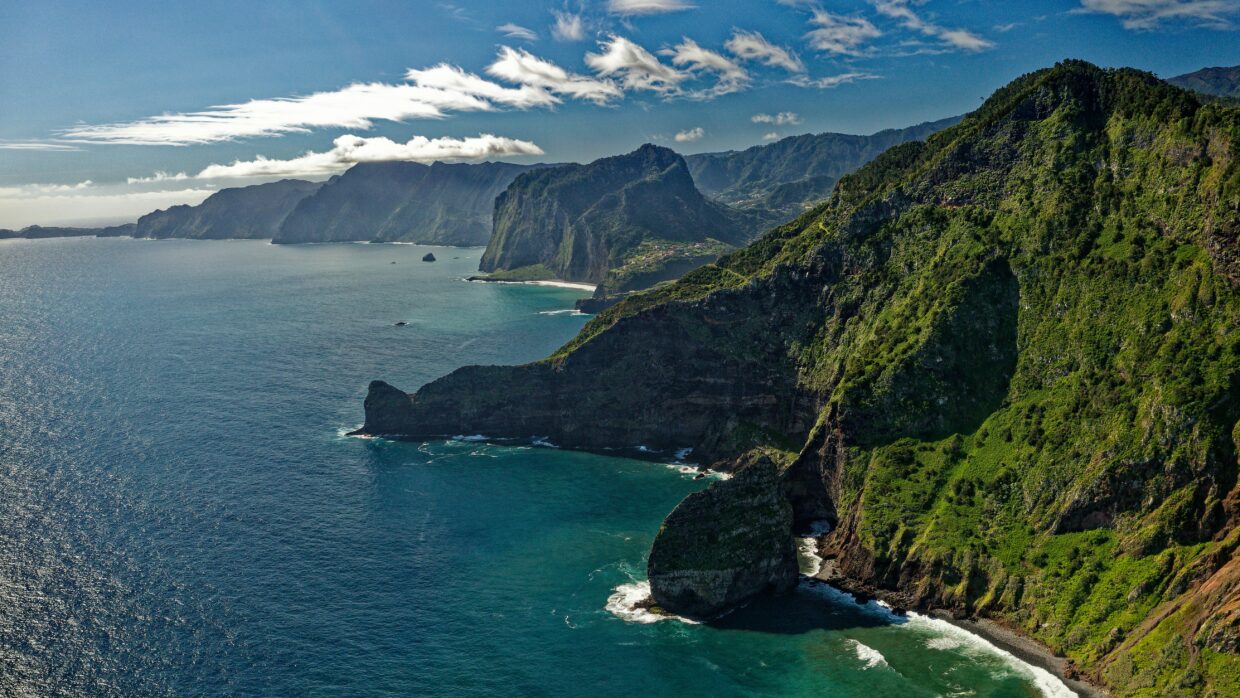
Madeira is one of Europe’s most spectacular island destinations, a place where ancient laurel forests meet dramatic volcanic mountains, where Atlantic whales pass beneath towering cliffs, and where centuries-old irrigation channels have become some of the world’s most unique hiking trails.
This complete Madeira travel guide covers everything you need to plan your visit, including the best things to do in Madeira, the most beautiful levada walks, Funchal attractions, local food, whale watching, scenic viewpoints, where to stay, and the essential 2026 hiking permit updates.
Known as the Pearl of the Atlantic, Madeira is not a typical beach holiday destination. It is not a party island. What it offers instead is something far more memorable: a landscape shaped by volcanic forces, an extraordinary year-round climate, and an outdoor adventure culture unlike anywhere else in Europe.
The first thing Madeira does is surprise you.
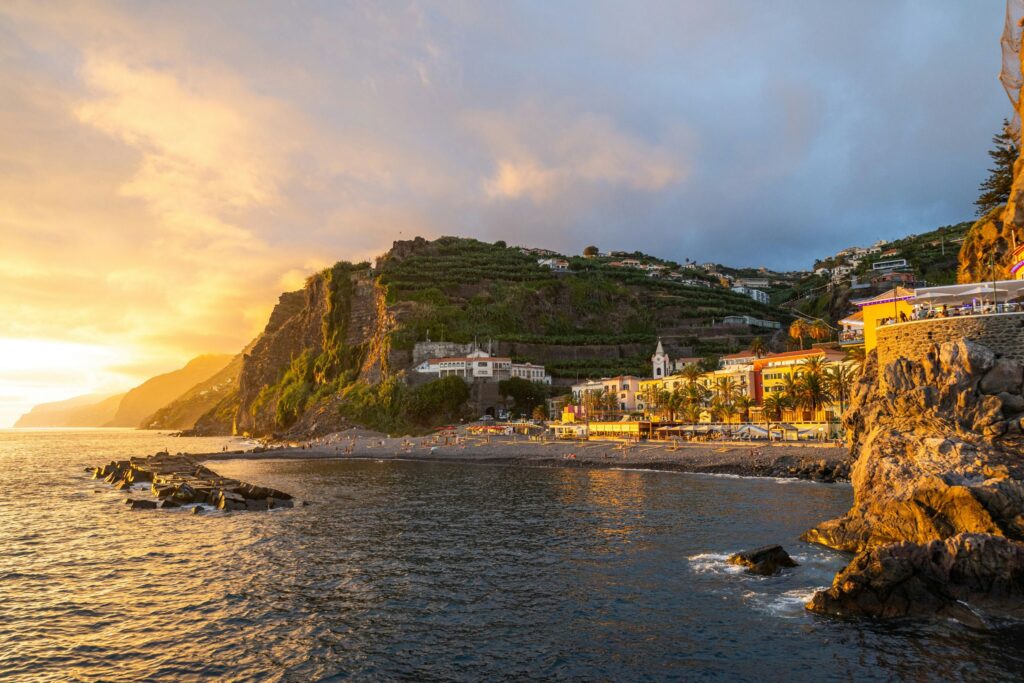
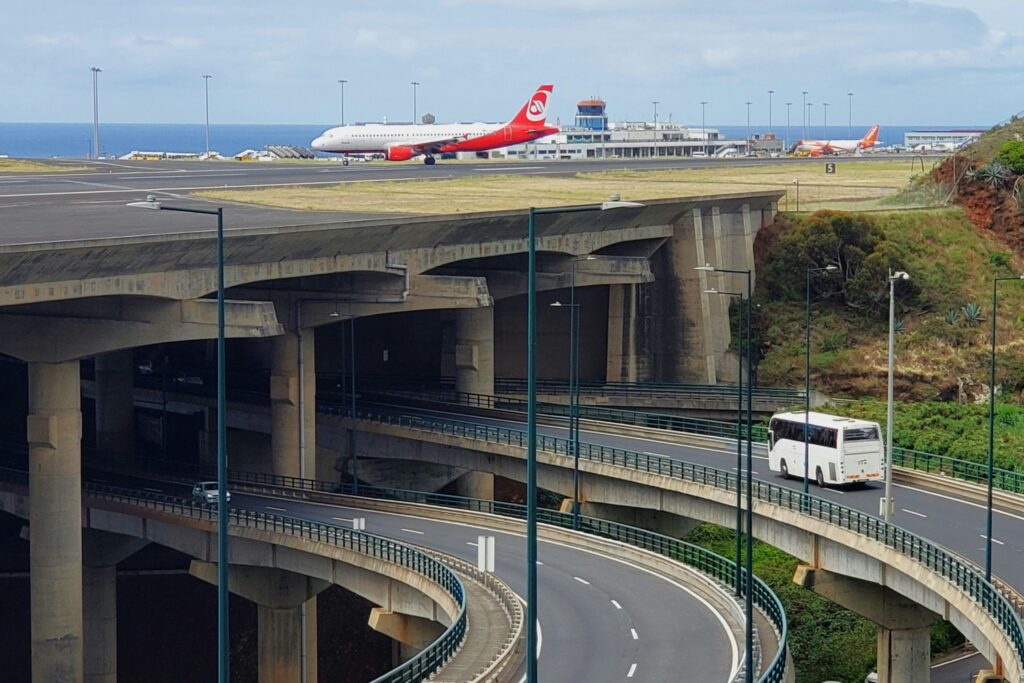
Not because the photographs are misleading, they are not, but because no image can fully capture the scale of the island. You arrive at an airport runway suspended above the Atlantic Ocean, built on enormous concrete pillars because Madeira had so little flat land available. Within minutes of leaving the airport, the landscape rises dramatically around you: cliffs plunge into deep blue water, villages cling to mountainsides, and green valleys disappear into clouds above.
This is an island that feels impossible.
Located in the Atlantic Ocean approximately 1,000 kilometres from mainland Portugal and around 700 kilometres from Morocco, Madeira is closer to Africa than Lisbon. Its isolated position has created a destination unlike anywhere else in Europe, a subtropical island where mountain peaks reach almost 1,900 metres, where forests survive from prehistoric times, and where deep Atlantic waters create some of Europe’s best conditions for whale watching.
Despite its reputation as a retirement destination of previous generations, modern Madeira has transformed itself into one of Europe’s most exciting destinations for adventurous travellers, food lovers, hikers, and nature enthusiasts.
The island’s greatest attractions are not traditional tourist sights. They are experiences:
- Walking through UNESCO-listed laurel forests along ancient levada channels
- Watching sunrise above the clouds from Pico do Arieiro
- Swimming in volcanic lava pools on the rugged north coast
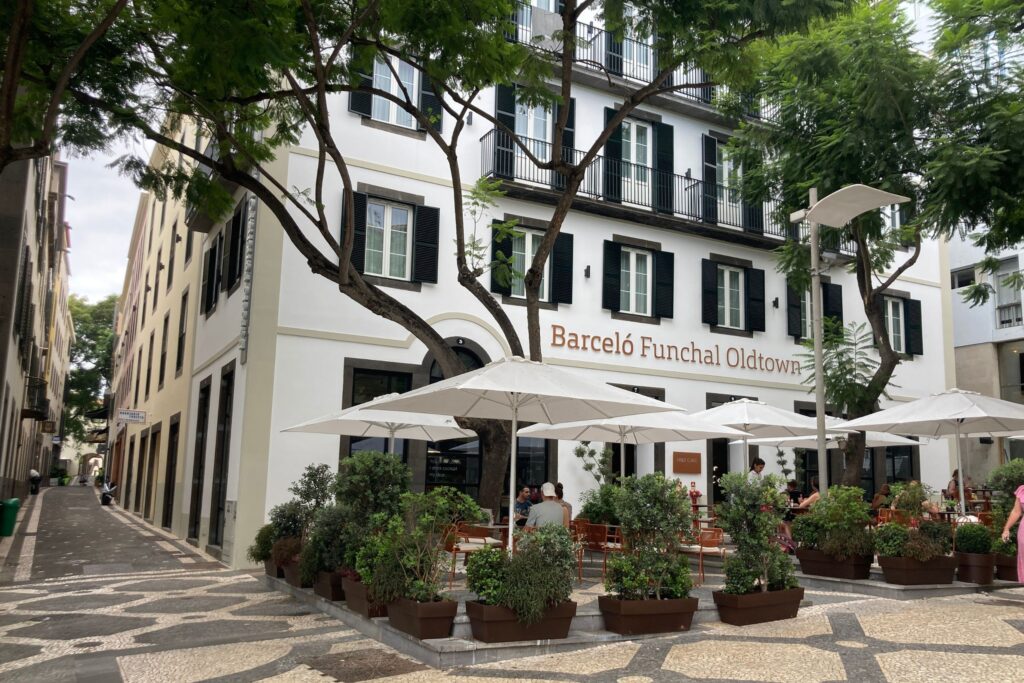
- Exploring the colourful streets of Funchal’s Old Town
- Eating freshly caught black scabbardfish beside the Atlantic
- Searching for whales and dolphins in deep ocean waters
Madeira rewards travellers who slow down and explore.
Madeira at a glance
| Country | Portugal |
| Location | Atlantic Ocean |
| Capital city | Funchal |
| Best known for | Levada hikes, Madeira wine, whale watching and dramatic landscapes |
| Best time to visit | April–June and September–October |
| Ideal trip length | 5–7 days |
| Currency | Euro (€) |
| Language | Portuguese |
| Airport | Cristiano Ronaldo Madeira International Airport (FNC) |
Why Visit Madeira?
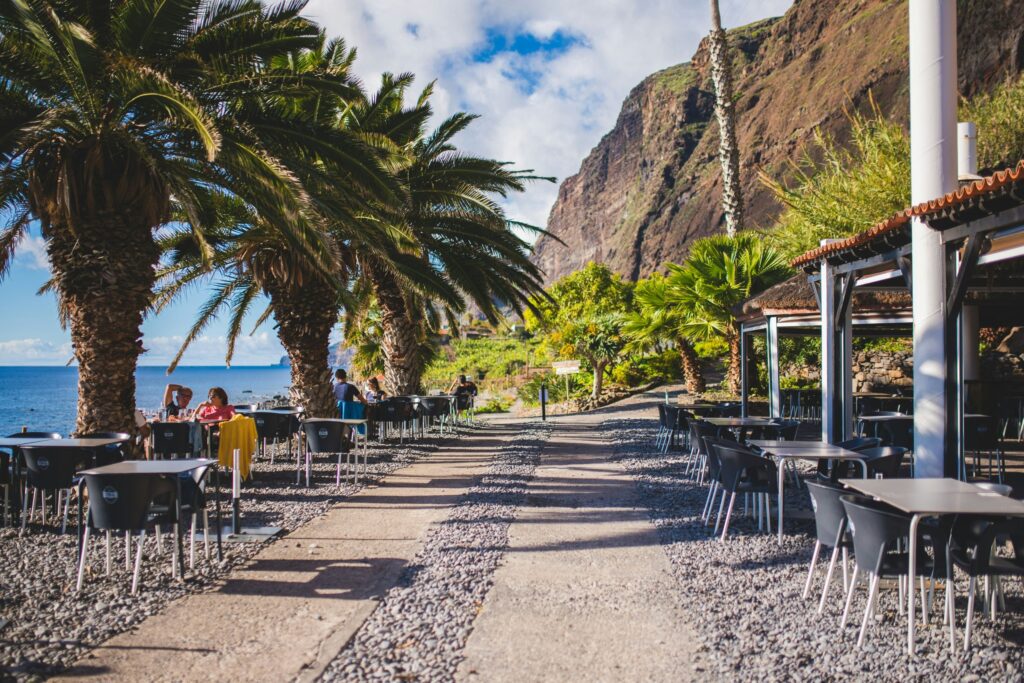
Madeira is one of the rare destinations that appeals to almost every type of traveller.
Adventure seekers come for the hiking. The island contains more than 2,000 kilometres of levada channels, many of which have been transformed into spectacular walking routes through mountains, forests, and valleys. These trails offer something unusual in European hiking: incredible scenery without requiring extreme climbs.
Nature lovers come for the Atlantic wildlife. The deep waters surrounding Madeira attract sperm whales, pilot whales, dolphins, sea turtles, and seasonal visitors including humpback and fin whales.
Food travellers discover an island cuisine shaped by geography and history. Madeira’s dishes are built around ingredients from the Atlantic and volcanic soil: black scabbardfish, limpets, sweet potatoes, tropical fruit, bolo do caco bread, and the island’s famous fortified wine.
History and culture lovers find Funchal, one of the most attractive island capitals in Europe, filled with Portuguese architecture, colourful streets, historic churches, botanical gardens, and centuries-old traditions.
The island is also remarkably accessible. Direct flights connect Madeira with many European cities, and its compact size means you can experience mountains, coastline, forests, and villages within a single trip.
For first-time visitors, five days provides enough time to experience the highlights. Seven days allows you to explore at a more relaxed pace. Two weeks reveals another side of Madeira entirely, the quiet northern villages, hidden viewpoints, mountain communities, and lesser-known coastal roads that many visitors never discover.
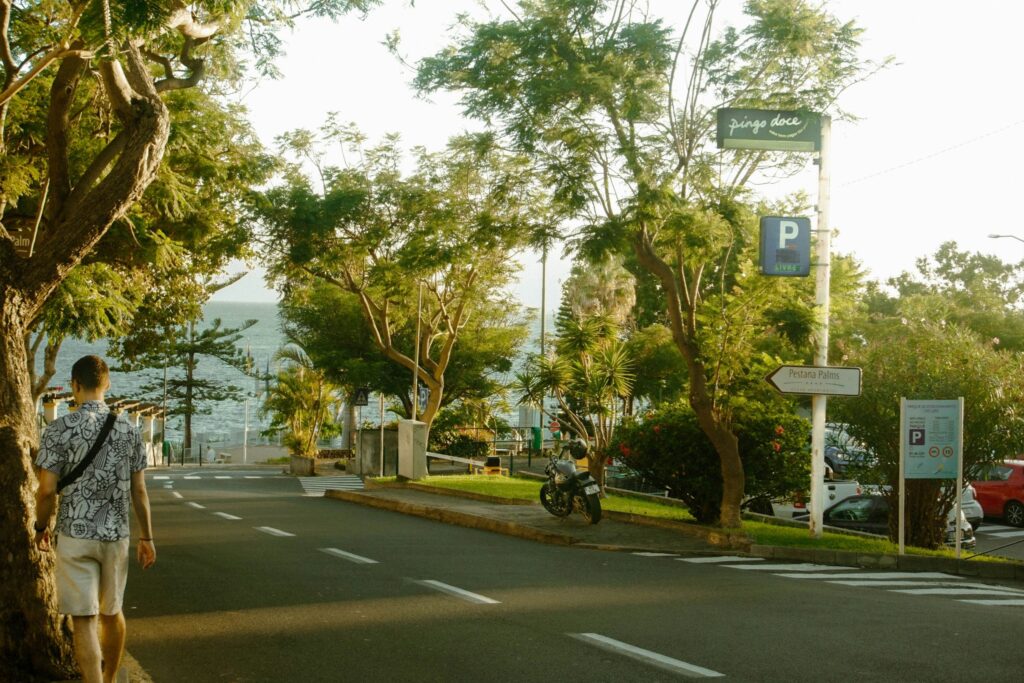
Funchal Travel Guide: Exploring Madeira’s Capital
Funchal is the natural starting point for any Madeira itinerary.
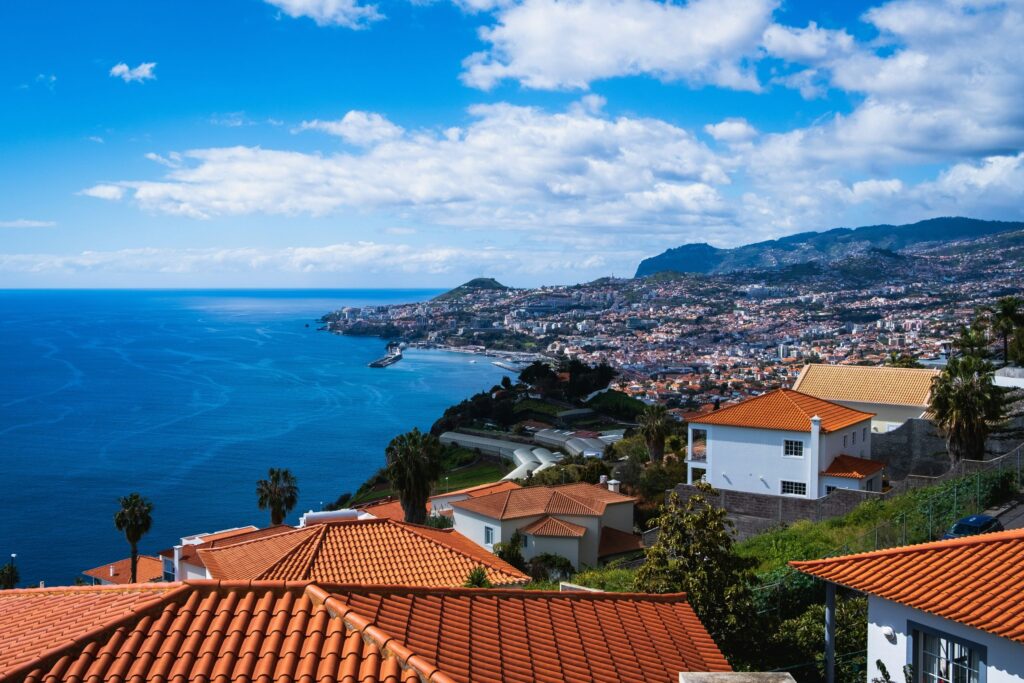
Built around a sweeping natural bay on the island’s southern coast, the capital combines historic Portuguese architecture with a relaxed Atlantic atmosphere. Around half of Madeira’s population lives in and around Funchal, yet the city never feels overwhelming.
Its greatest appeal is that it rewards wandering.
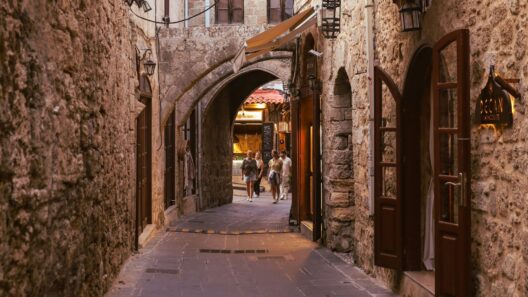
The historic centre, known as Zona Velha (Old Town), is where many visitors begin. Narrow cobbled streets climb between colourful buildings, traditional Portuguese tiles decorate historic facades, and the famous painted doors project has transformed the neighbourhood into one of the most photographed areas in Madeira.
What was once an overlooked fishing district has become one of the island’s most atmospheric areas, filled with restaurants, galleries, wine bars, and small local businesses.
Things to do in Funchal
Visit Mercado dos Lavradores
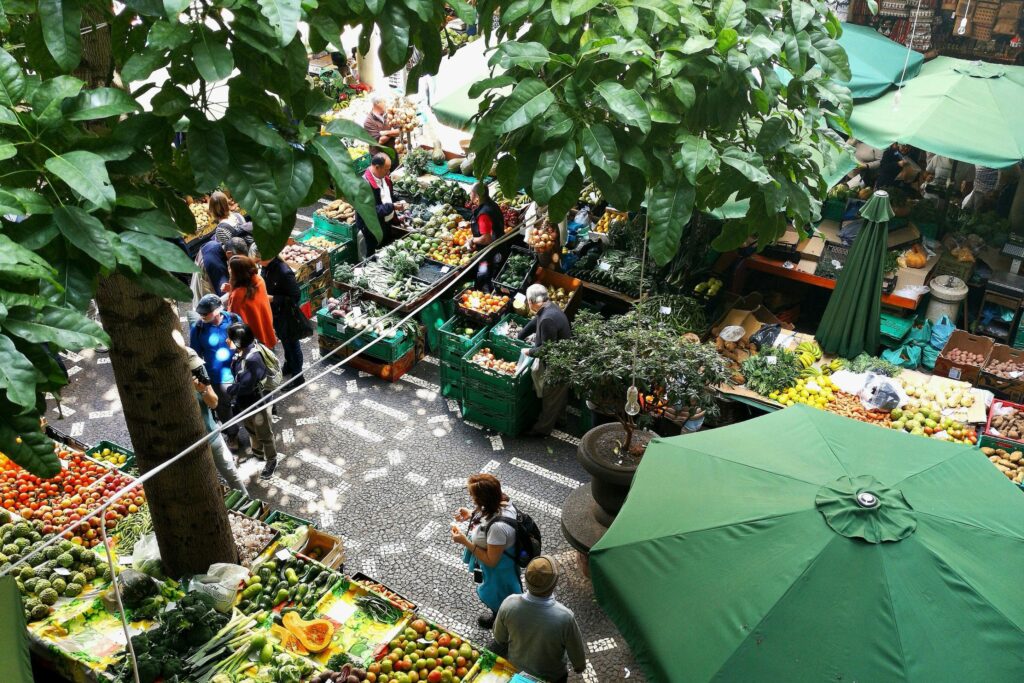
The Mercado dos Lavradores is the sensory heart of Funchal.
Opened in 1940, the market brings together Madeira’s agricultural and fishing traditions under one roof. Local farmers sell tropical fruit grown in the island’s volcanic soil, including passion fruit, custard apples, mangoes, and Madeira bananas.
Downstairs, fishermen display the day’s catch, including the unusual espada preto (black scabbardfish), one of Madeira’s most famous ingredients.
Ride the Funchal Cable Car to Monte
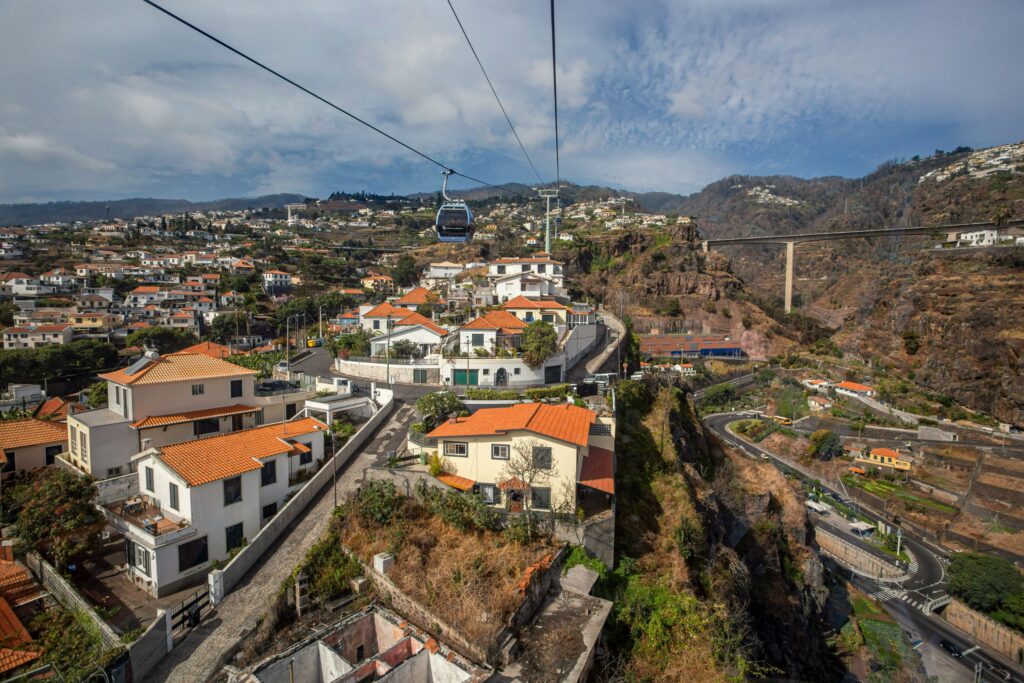
The Teleférico do Funchal is one of the best ways to understand the city’s geography.
The cable car rises from the waterfront to Monte, climbing above terraced hillsides and offering panoramic views across Funchal Bay.
At the top, visitors can explore the Monte Palace Tropical Garden, home to exotic plants, historic tile collections, and one of Portugal’s most impressive botanical spaces.
Experience the Monte Toboggan Ride
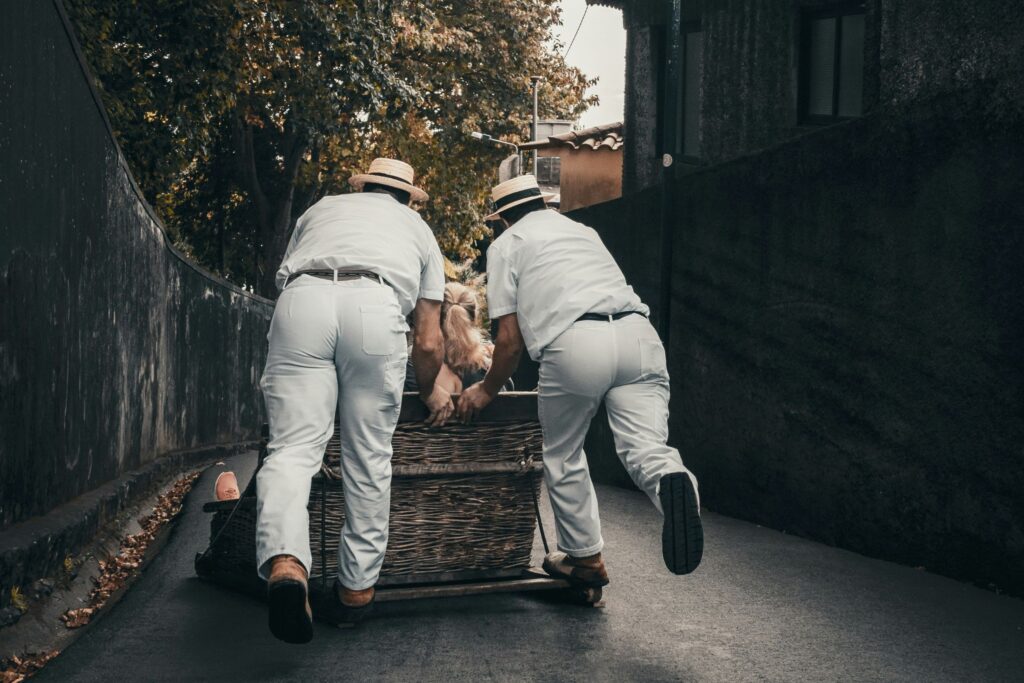
The traditional Monte toboggan ride is one of Madeira’s most unique experiences.
Originally developed as a practical form of transport in the 19th century, the wicker sledges are now guided down the steep streets of Monte by carreiros wearing traditional white clothing and straw hats.
Part cultural experience, part adrenaline rush, it remains one of Funchal’s most memorable attractions.
The Levada Walks of Madeira: Europe’s Most Unique Hiking Trails
If you leave Madeira having only explored Funchal, you will have experienced a beautiful city.
If you leave having walked the levadas, you will understand why travellers return year after year.
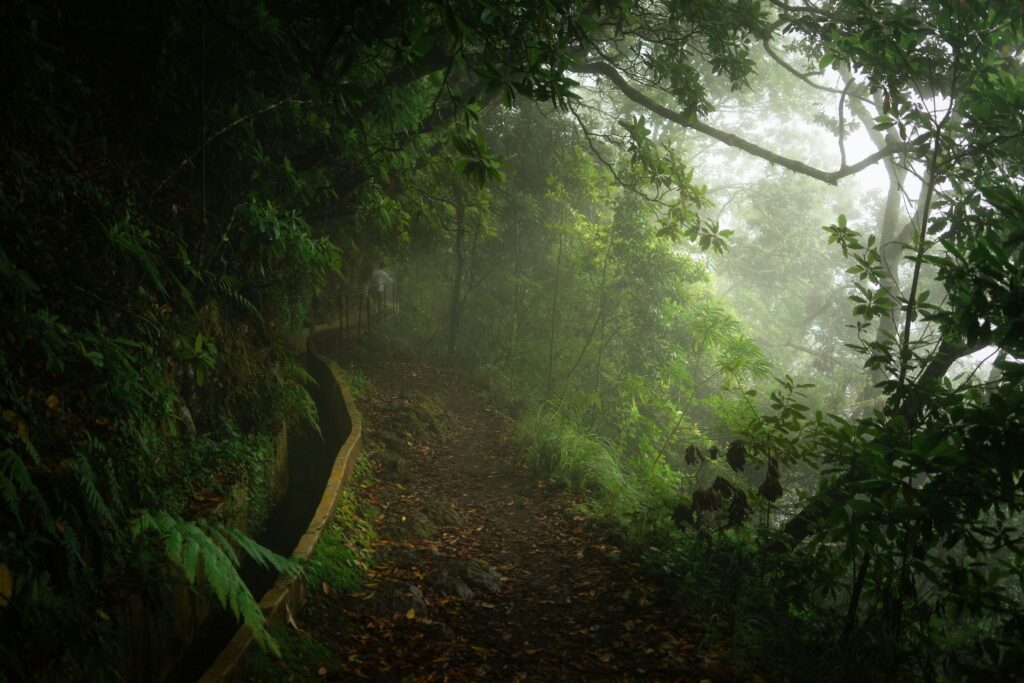
The levadas of Madeira are one of the island’s defining features, a vast network of historic irrigation channels built over centuries to transport water from the wetter northern mountains to the agricultural areas of the south.
Originally created to support farming communities, these narrow waterways now form one of the most extraordinary hiking networks in Europe.
More than 2,000 kilometres of levadas cross the island, passing through ancient forests, mountain valleys, waterfalls, tunnels, and some of Madeira’s most spectacular viewpoints.
What makes levada hiking unique is the way these trails follow the landscape.
Because water must flow gradually downhill through the channels, levada paths maintain a gentle gradient. This means many routes offer dramatic scenery without the steep climbs normally associated with mountain hiking.
You can walk beside flowing water through forests that existed before humans arrived in Madeira, cross mountainsides overlooking the Atlantic Ocean, and discover waterfalls hidden deep within valleys, often without needing advanced hiking experience.
Madeira Hiking Rules 2026: Trail Permits and Booking Requirements
From 2026, visitors hiking Madeira’s classified trails must plan ahead.
The island introduced a new booking and payment system for official hiking routes, requiring visitors to reserve access before arriving at popular trails.
The current rules include:
- A €4.50 fee per person for most classified hiking trails
- Advance booking through the official Madeira hiking portal
- Limited availability on popular routes during busy periods
- Additional restrictions and pricing for some high-demand trails
The famous PR1 Vereda do Areeiro route between Pico do Arieiro and Pico Ruivo operates under separate conditions, including:
- One-way hiking direction
- Higher access fee
- Advance reservation recommended
Popular trails can become fully booked, especially around sunrise, weekends, and peak travel periods.
For anyone planning a hiking-focused trip to Madeira, checking trail availability before travelling should be part of your preparation.
The Best Levada Walks in Madeira
PR1 Vereda do Areeiro: Madeira’s Most Dramatic Mountain Hike
Distance: Approximately 7 kilometres
Duration: 4–5 hours
Difficulty: Challenging
Highlights: Mountain ridges, tunnels, cloud forests and Pico Ruivo views
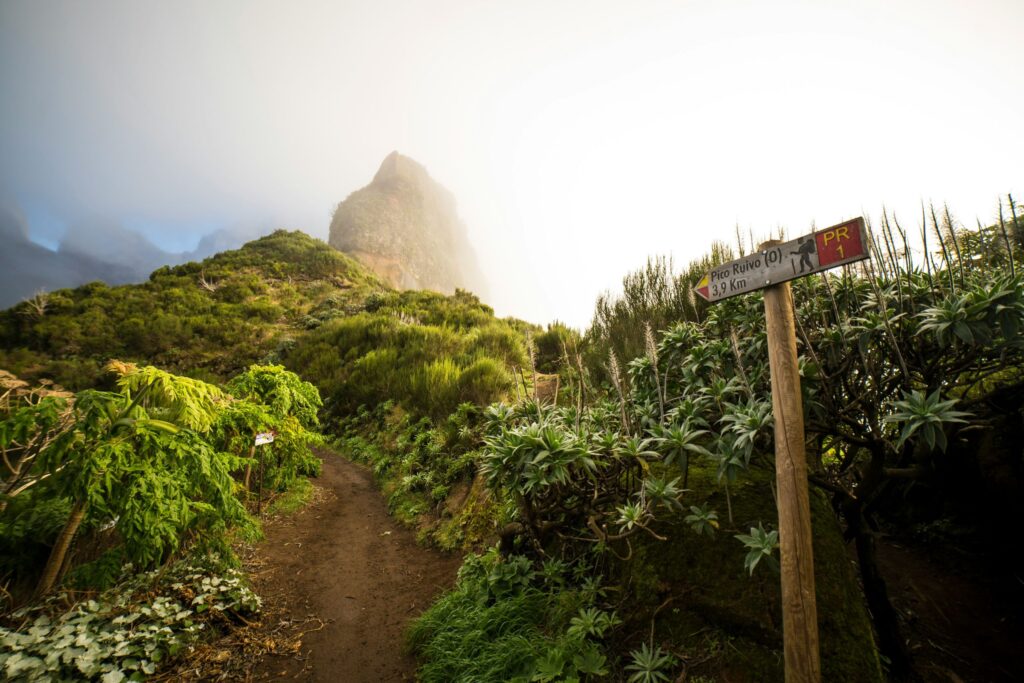
The PR1 Vereda do Areeiro is arguably Madeira’s most spectacular hike.
The route connects two of the island’s highest peaks:
- Pico do Arieiro (1,818 metres)
- Pico Ruivo (1,862 metres)
The trail crosses narrow mountain ridges, passes through tunnels carved into volcanic rock, and climbs above the clouds where the Atlantic disappears beneath a sea of white.
On clear days, hikers can see both sides of the island simultaneously, the rugged northern coastline, the southern villages, and distant peaks rising from the clouds.
A sunrise start from Pico do Arieiro is one of Madeira’s unforgettable experiences. Arriving before dawn and watching the first light spread across the mountain peaks feels less like sightseeing and more like witnessing the island wake up.
This is Madeira at its most dramatic.
Levada do Caldeirão Verde: The Prehistoric Forest Trail
Distance: Approximately 13 kilometres return
Duration: 4–6 hours
Difficulty: Moderate
Highlights: UNESCO forest, waterfalls, tunnels and natural pools
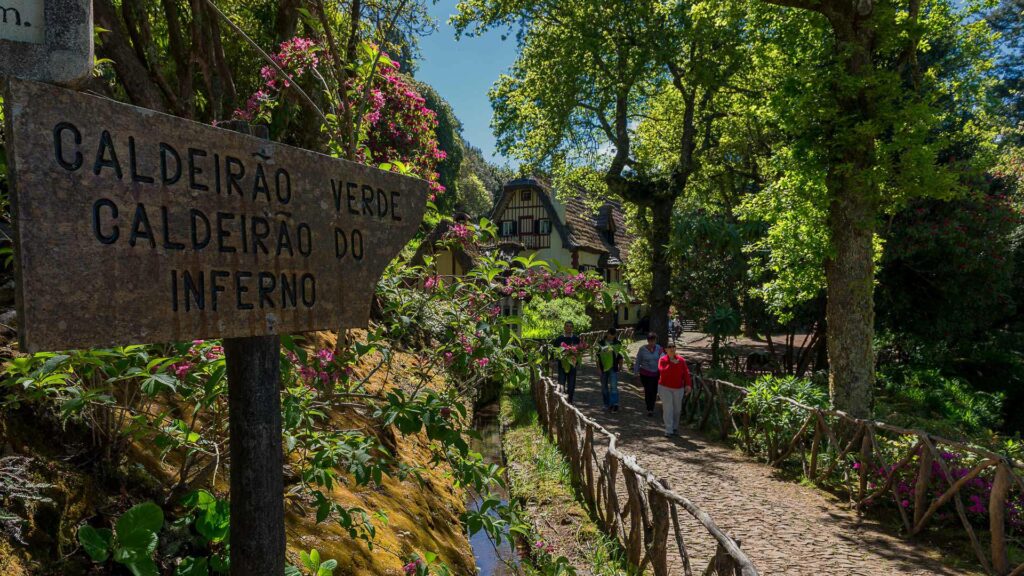
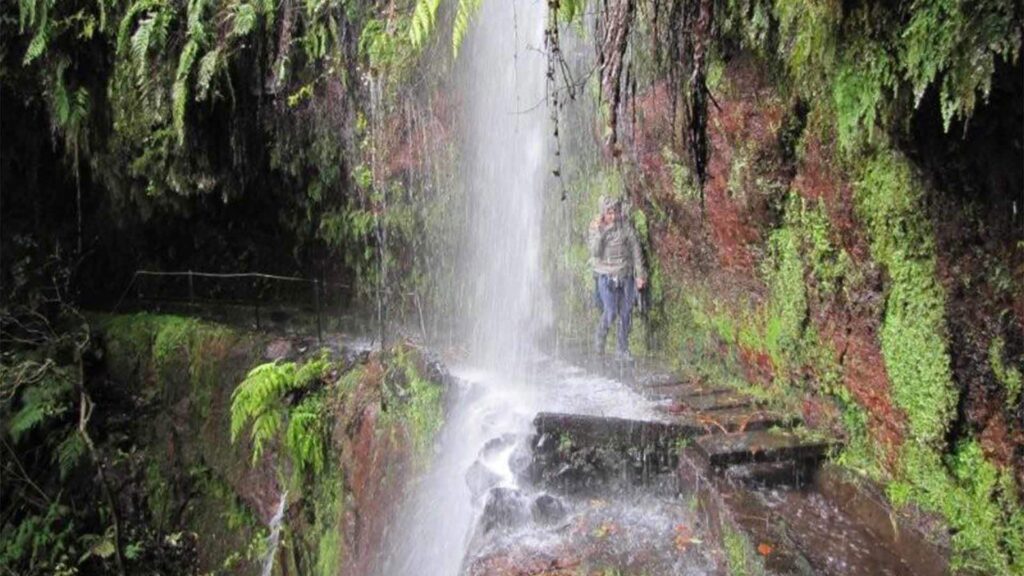
The Levada do Caldeirão Verde is one of Madeira’s most famous walks.
Located in the northeast of the island near Santana, the trail travels deep into the Laurisilva forest, a UNESCO World Heritage Site and one of the last remaining examples of ancient subtropical forests that once covered parts of southern Europe.
The atmosphere feels almost prehistoric.
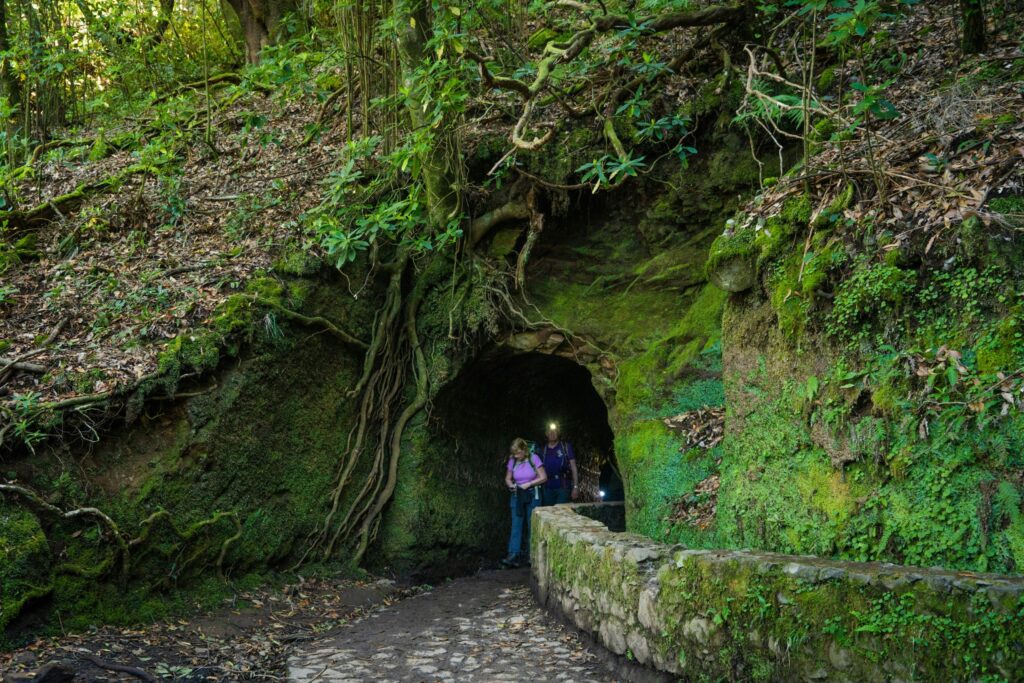
Massive ferns line the path, water drips from moss-covered cliffs, and the sound of the levada accompanies you throughout the journey.
The final destination is the Caldeirão Verde waterfall, where water drops from a towering cliff into a crystal-clear natural pool.
The route includes several tunnels, so a torch or headlamp is essential.
PR18 Levada do Rei: The Best Family-Friendly Levada Walk
Distance: Approximately 7 kilometres return
Duration: 3–4 hours
Difficulty: Easy to moderate
Highlights: Forest scenery, mountain views and wildlife
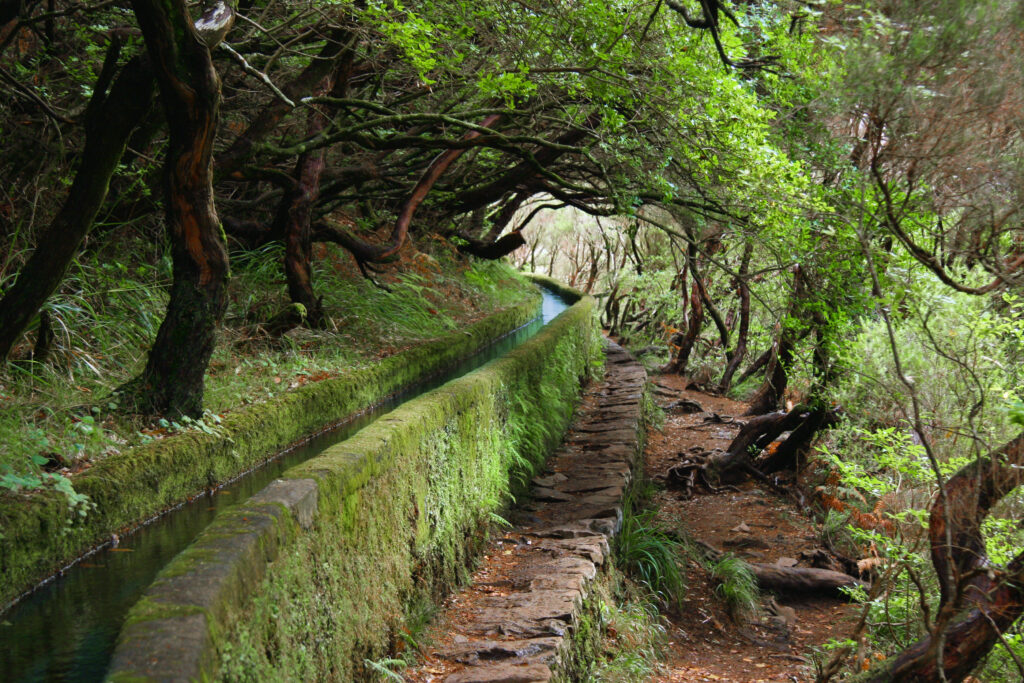
For visitors looking for a gentler introduction to Madeira hiking, Levada do Rei is one of the best choices.
Beginning near São Jorge in the north of the island, the route follows one of Madeira’s oldest levadas through some of the island’s most beautiful laurel forest.
The trail is relatively flat, making it suitable for families and less experienced hikers, while still offering incredible scenery.
Expect:
- Dense green forests
- Mountain views
- Waterfalls
- Native plant species
- Peaceful countryside away from the busiest tourist areas
Levada das 25 Fontes: Madeira’s Most Photographed Waterfall Walk
Distance: Approximately 8 kilometres return
Duration: 3–4 hours
Difficulty: Moderate
Highlights: Waterfalls, forests and natural pools
The Levada das 25 Fontes is one of the island’s most popular hiking routes.
The name comes from the 25 natural springs that feed the waterfall pool at the end of the trail.
Located in the Rabaçal area, the walk passes through dense Laurisilva forest before reaching a dramatic wall of cascading water.
Because of its popularity, arriving early is recommended.
Levada dos Tornos to Monte: The Best Short Hike Near Funchal
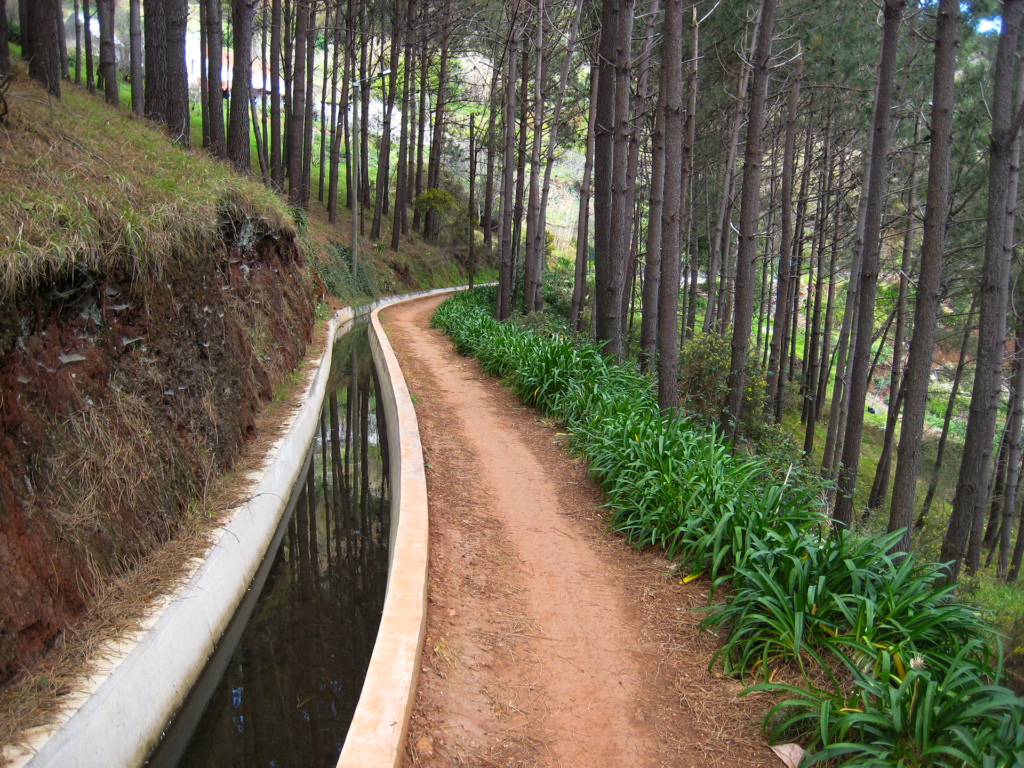
For travellers staying in Funchal who want a shorter introduction to levada walking, the Levada dos Tornos route is an excellent option.
The trail combines countryside scenery with views over Funchal Bay and can be paired with a visit to Monte.
It is a relaxed way to experience Madeira’s famous irrigation trails without committing to a full-day hike.
The Best Viewpoints in Madeira
Madeira is an island of miradouros, viewpoints that reveal a different perspective of the landscape around every corner.
Because of the island’s dramatic volcanic geography, some of Europe’s most spectacular viewpoints are accessible within a short drive or walk.
Cabo Girão Skywalk
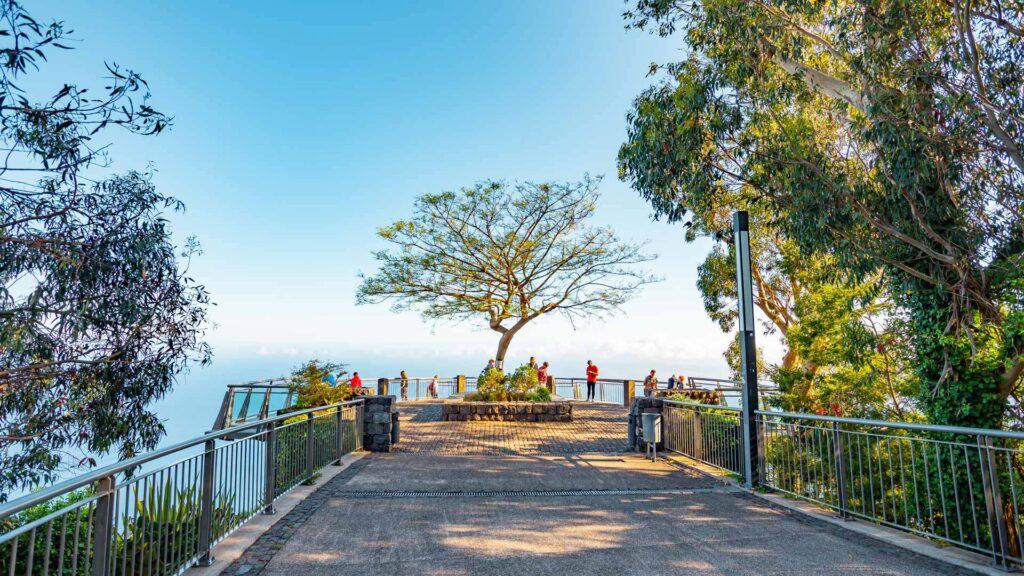
Standing 580 metres above the Atlantic Ocean, Cabo Girão is one of Madeira’s most famous viewpoints.
The glass platform extends beyond the cliff edge, creating the sensation of floating above the ocean.
From here, visitors can see:
- Funchal in the distance
- Terraced agricultural fields
- The southern coastline
- Fishing villages below
Although popular, it remains one of Madeira’s most impressive first stops.
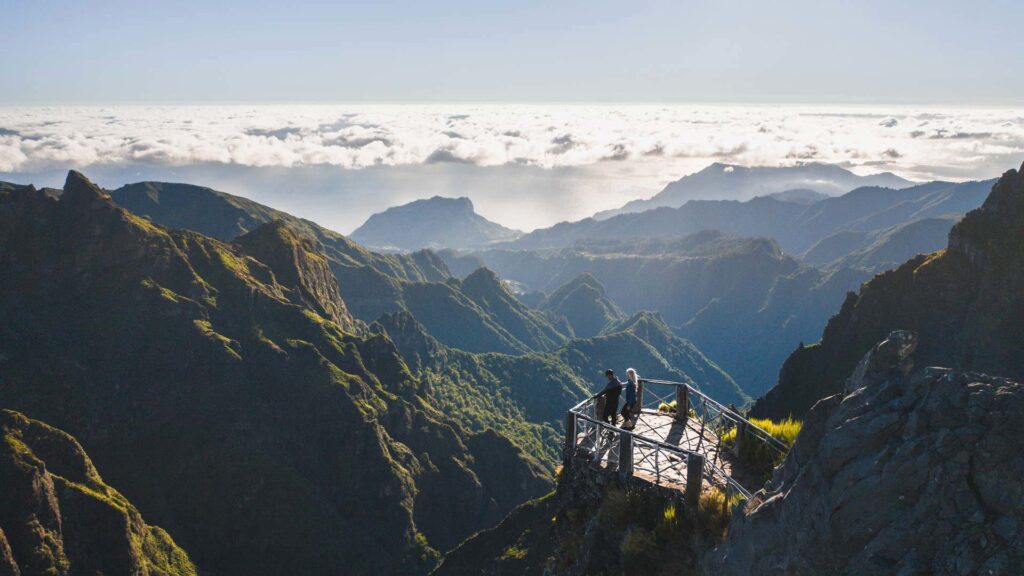
Pico do Arieiro
At 1,818 metres above sea level, Pico do Arieiro is one of Madeira’s easiest high-altitude viewpoints to access.
Unlike many mountain destinations where reaching the summit requires hours of hiking, visitors can drive almost directly to the viewpoint.
The experience changes dramatically depending on weather.
On cloudy days, the peaks rise through a sea of mist. On clear mornings, the entire island appears below you.
For photographers, sunrise here is one of Madeira’s essential experiences.
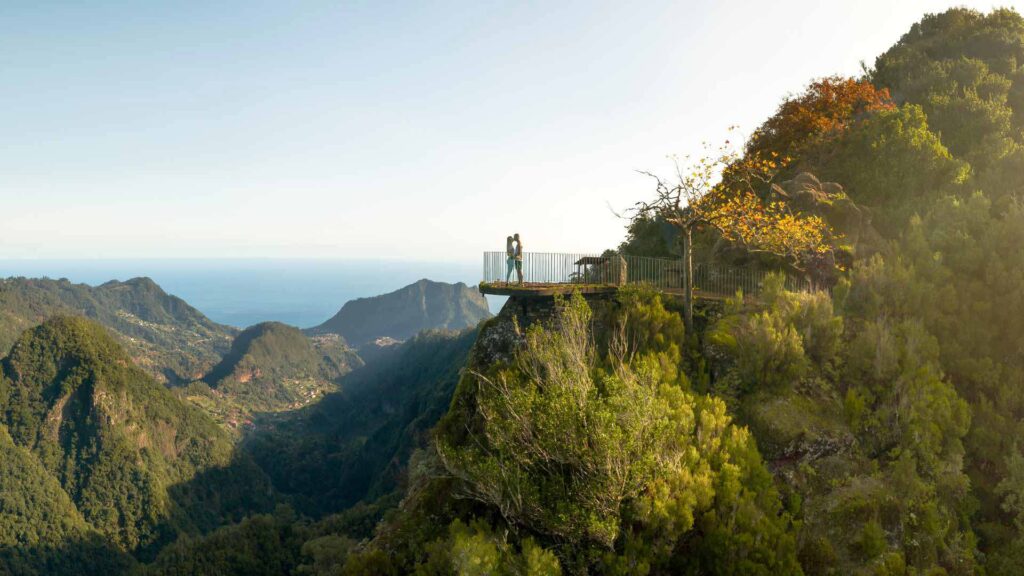
Miradouro dos Balcões
A short walk from Ribeiro Frio leads to Miradouro dos Balcões, one of Madeira’s most rewarding viewpoints for minimal effort.
The viewpoint overlooks a deep green valley surrounded by Madeira’s central mountains.
Birdlife is common here, including Madeira’s native species, making it a favourite stop for nature lovers.
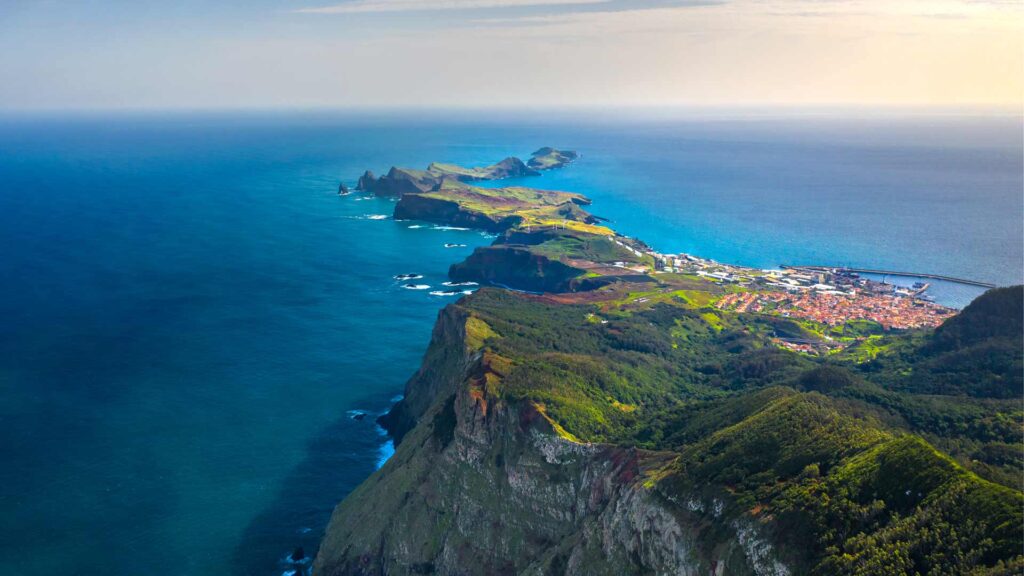
Ponta de São Lourenço Peninsula
The eastern tip of Madeira feels like another island entirely.
Unlike the lush interior, São Lourenço is dry, exposed and dramatic, a landscape of volcanic cliffs, red rock formations and windswept ocean views.
The approximately 5-kilometre walking route follows the peninsula between two oceans, creating one of the island’s most memorable coastal experiences.
Exploring Madeira’s North Coast
The north coast reveals Madeira at its wildest.
While Funchal and the southern coast enjoy warmer, calmer conditions, the northern side faces directly into the Atlantic.
The result is a landscape of:
- Steep cliffs
- Powerful waves
- Traditional villages
- Waterfalls
- Dramatic coastal roads
This is where Madeira feels most untouched.
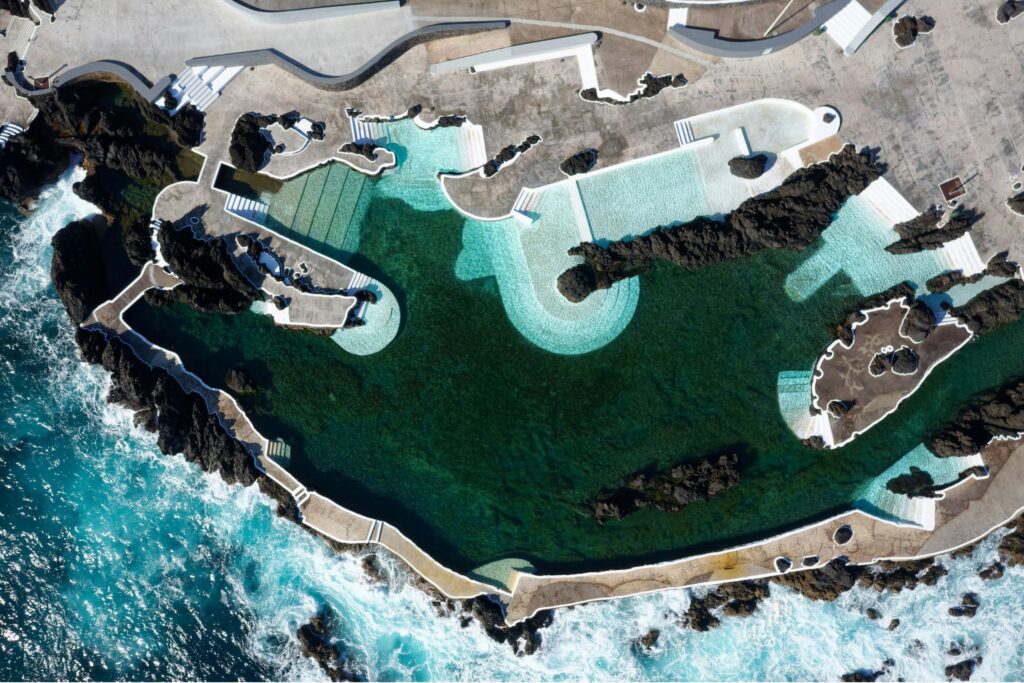
Porto Moniz: Volcanic Swimming Pools
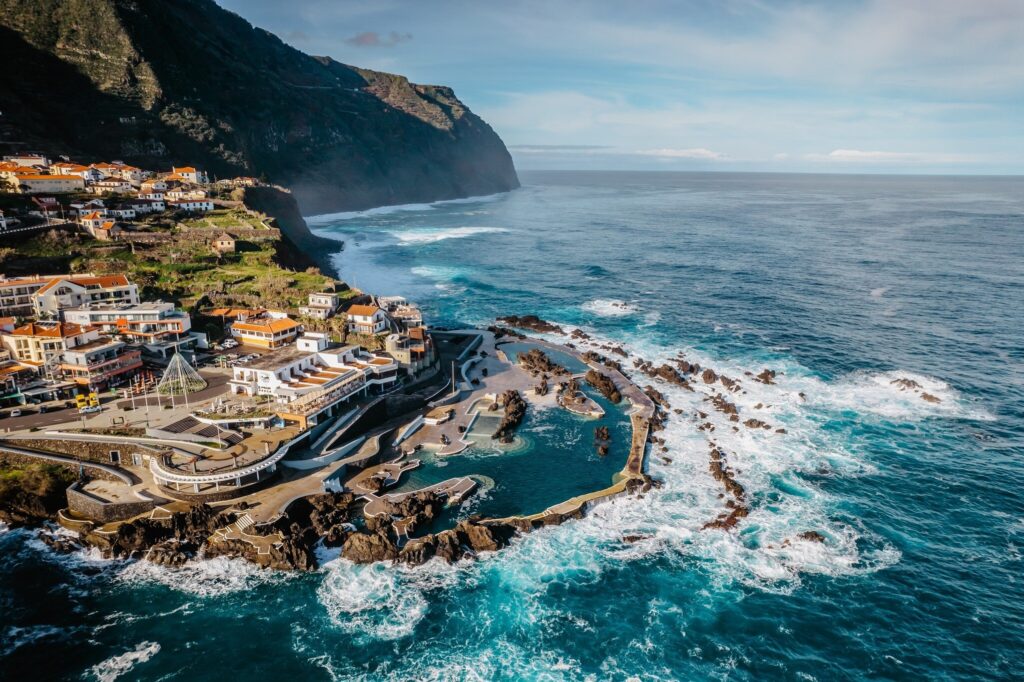
At the northwestern edge of the island, Porto Moniz is famous for its natural lava pools.
Created by ancient volcanic eruptions, these pools are filled naturally by the Atlantic tides.
The result is a unique swimming experience: crystal-clear seawater protected from the stronger ocean waves by volcanic rock formations.
After swimming, the restaurants overlooking the coast are the perfect place to try Madeira’s seafood dishes.
Seixal: Madeira’s Black Sand Beach
Seixal is one of Madeira’s most beautiful coastal villages.
Its volcanic black sand beach, dramatic mountain backdrop and nearby waterfalls make it one of the most photographed locations on the island.
The coastal drive between Seixal and São Vicente is among Madeira’s finest road journeys, with tunnels carved through cliffs and ocean views appearing around every corner.
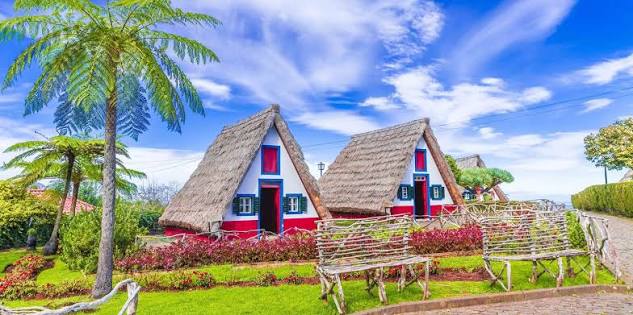
Santana: Traditional Madeira Villages
Santana is famous for its palheiros, traditional triangular houses with colourful doors and thatched roofs.
These small buildings represent Madeira’s rural heritage and provide a glimpse into how island communities lived for generations.
The surrounding countryside is among the most fertile areas of Madeira, producing many of the island’s famous fruits and agricultural products.
Madeira Food Guide: What to Eat and Drink on the Island
Madeira’s cuisine is one of the island’s greatest surprises.
Although it is part of Portugal, Madeiran food has developed its own identity, shaped by its isolated Atlantic location, volcanic landscape, fishing traditions, and centuries as a trading stop between Europe, Africa, and the Americas.
The result is a cuisine built around fresh seafood, tropical fruit, locally grown ingredients, and dishes you will rarely find anywhere else.
For food lovers, Madeira is not simply somewhere to eat well between activities, the food is part of the experience.
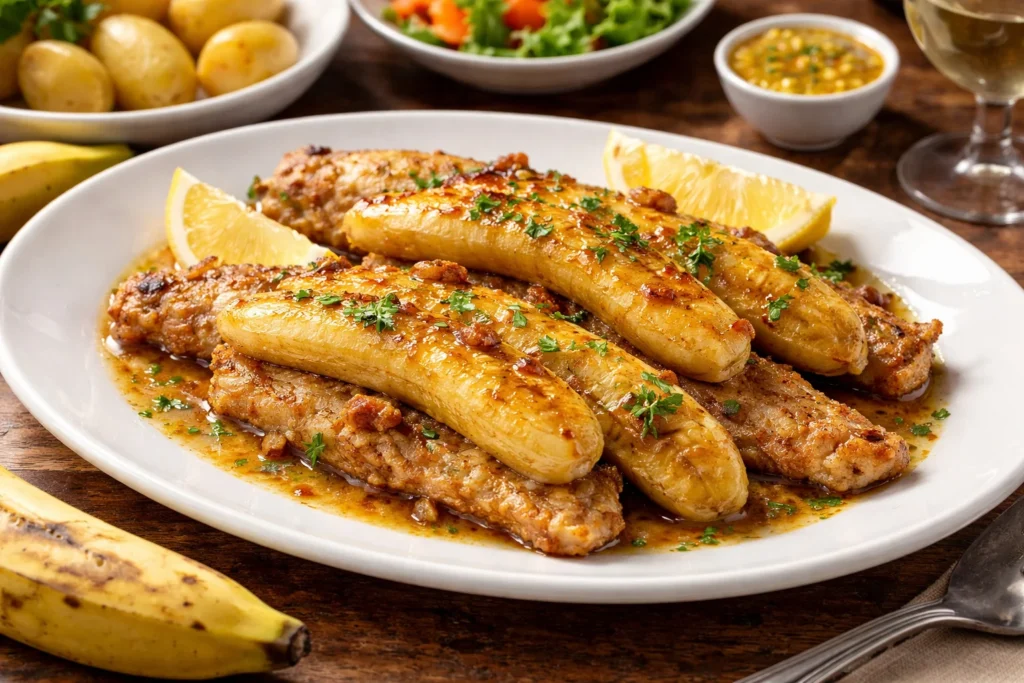
Espada com Banana: Madeira’s Signature Dish
The most famous Madeiran dish is also the one most likely to surprise visitors.
Espada com banana combines black scabbardfish with fried banana, often served with passion fruit sauce.
The espada (black scabbardfish) is a deep-sea fish caught in the waters surrounding Madeira, where the ocean floor drops dramatically close to shore. Adapted to life in darkness at depths of up to 1,500 metres, the fish has a delicate white flesh and mild flavour.
The combination with sweet Madeiran banana may sound unusual, but it works beautifully.
This is the dish to try on your first evening.
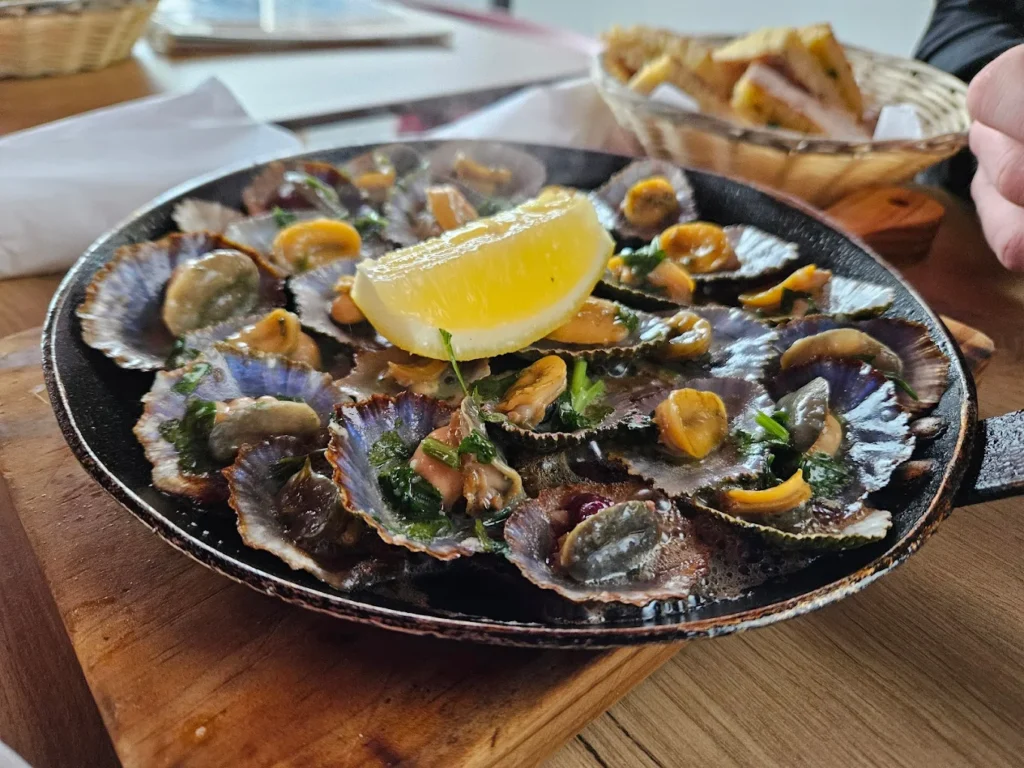
Lapas: Madeira’s Grilled Limpets
Lapas, or limpets, are another island speciality.
Collected from the volcanic coastline, they are traditionally grilled on a hot plate with garlic, butter and lemon before being served directly in their shells.
Simple, fresh and full of Atlantic flavour, they are one of the best examples of Madeira’s relationship with the ocean.

Bolo do Caco: The Bread You Will Order Every Day
Bolo do caco is a traditional Madeiran flatbread made with wheat flour and sweet potato.
Cooked on a hot basalt stone and served warm with garlic butter, it appears alongside almost every meal.
It works perfectly with:
- Seafood
- Grilled meats
- Soups
- Cheese
- Madeira’s famous garlic butter
Many visitors quickly discover that ordering “just one more” becomes a daily habit.

Madeira Wine: One of the World’s Great Wines
Madeira wine is one of the island’s greatest exports and one of the world’s most unique wines.
Unlike most wines, Madeira is intentionally exposed to heat and oxidation during production, creating a drink famous for its incredible longevity.
Historic bottles from the 18th century remain drinkable today.
The flavour profile can include:
- Caramel
- Dried fruit
- Nuts
- Spice
- A distinctive acidity
Visitors can explore traditional producers in Funchal, including historic wine lodges offering tastings and tours.
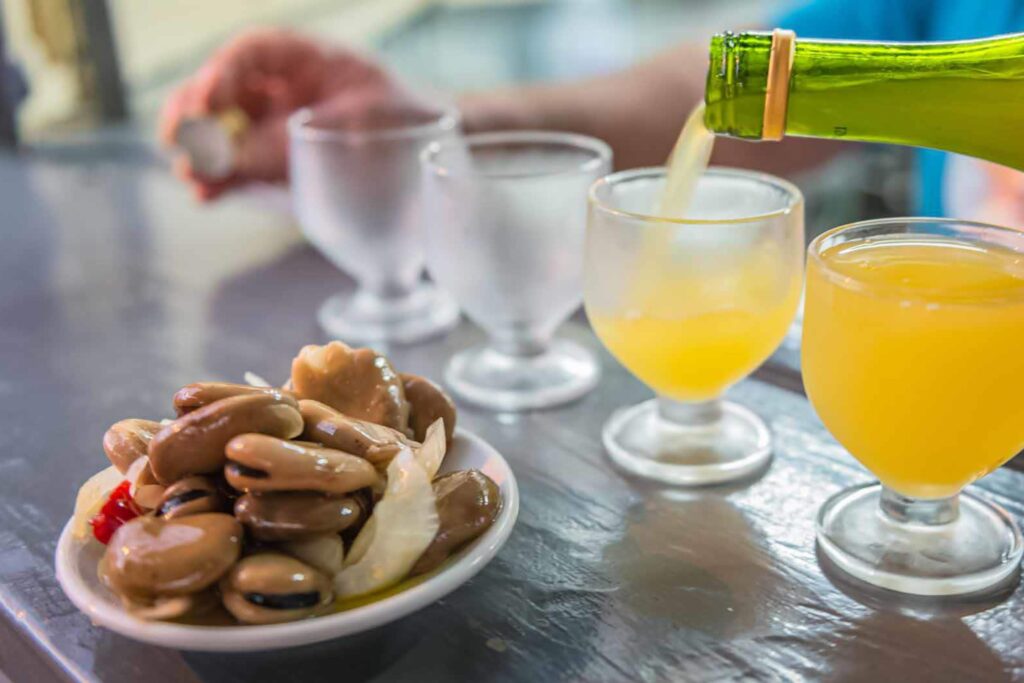
Poncha: Madeira’s Traditional Drink
Poncha is Madeira’s signature alcoholic drink.
Made with:
- Aguardente de cana (sugarcane spirit)
- Honey
- Fresh lemon juice
The ingredients are mixed using a traditional wooden tool called a mexelote.
It is stronger than it tastes.
For the most authentic experience, visit a traditional poncha bar in Câmara de Lobos, the fishing village west of Funchal famously painted by Winston Churchill during his visit to Madeira.
Whale Watching in Madeira: One of Europe’s Best Wildlife Experiences
The waters surrounding Madeira are among the richest marine environments in the Atlantic.
The reason is geography.
The ocean floor drops dramatically close to the island, creating deep-water habitats where whales and dolphins can feed year-round.
Unlike many destinations where whale watching depends heavily on migration seasons, Madeira offers opportunities throughout the year.
Species commonly seen include:
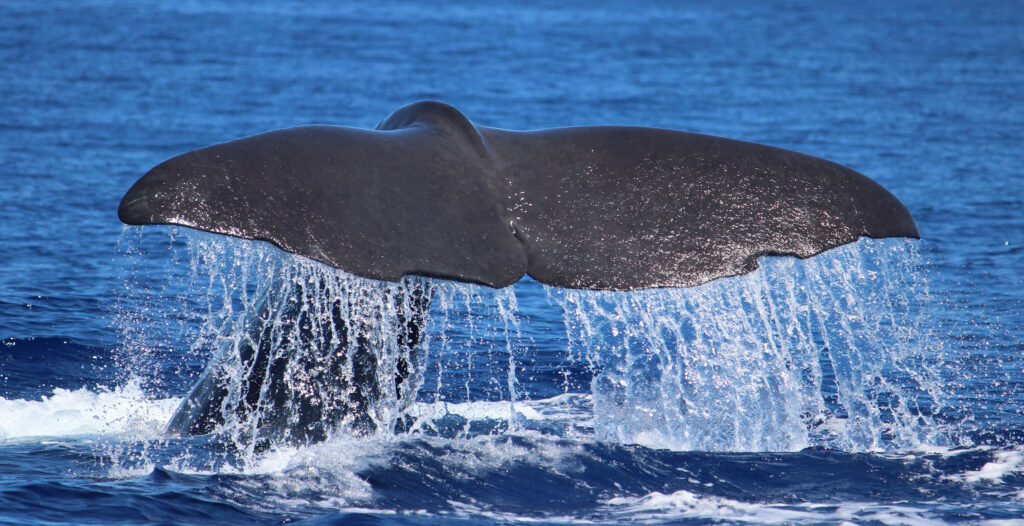
- Sperm whales
- Pilot whales
- Fin whales
- Humpback whales
- Common dolphins
- Atlantic spotted dolphins
- Loggerhead turtles
When is the best time for whale watching in Madeira?
While sightings are possible year-round, the best conditions are typically between spring and autumn.
Peak months are often:
- May
- June
- July
- August
During this period, calmer seas and increased marine activity create excellent viewing opportunities.
Tours depart mainly from Funchal Marina and are available on both modern rigid inflatable boats and traditional-style vessels.
The most memorable moment is often watching a sperm whale dive, the tail rising above the Atlantic before the animal disappears into the deep water below.
It is one of the finest wildlife experiences available from any European destination.
Where to Stay in Madeira
Choosing where to stay in Madeira depends on the type of trip you want.
The island is compact, but each area offers a completely different experience.
Funchal: Best for First-Time Visitors
Funchal is the best base for most travellers.
Advantages:
- Largest choice of restaurants
- Historic attractions
- Easy airport access
- Whale watching departures
- Nightlife and culture
- Best transport connections
Stay here if this is your first Madeira visit.
Calheta: Best for Sun, Sea and Relaxation
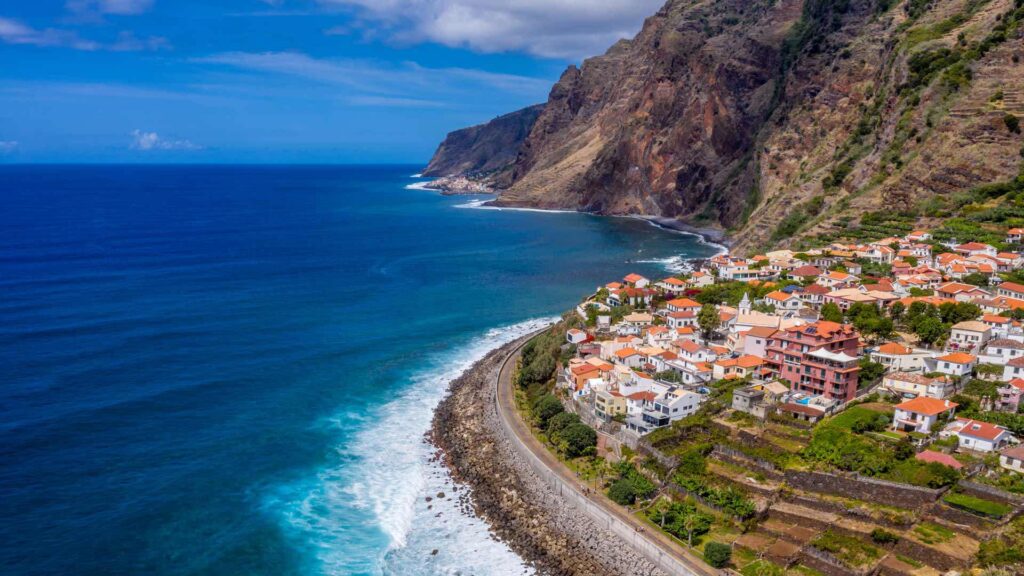
Located on the sunnier southwest coast, Calheta is popular with travellers looking for a slower pace.
Highlights:
- Madeira’s artificial sandy beach
- Sunset views
- Luxury hotels
- Easy access to western Madeira
Porto Moniz: Best for Nature Lovers
Porto Moniz is ideal for travellers who want to wake up surrounded by dramatic scenery.
Expect:
- Lava pools
- Coastal walks
- Mountain access
- Quieter evenings
It is particularly appealing for photographers and hikers.
Santana and the North Coast: Best for Authentic Madeira
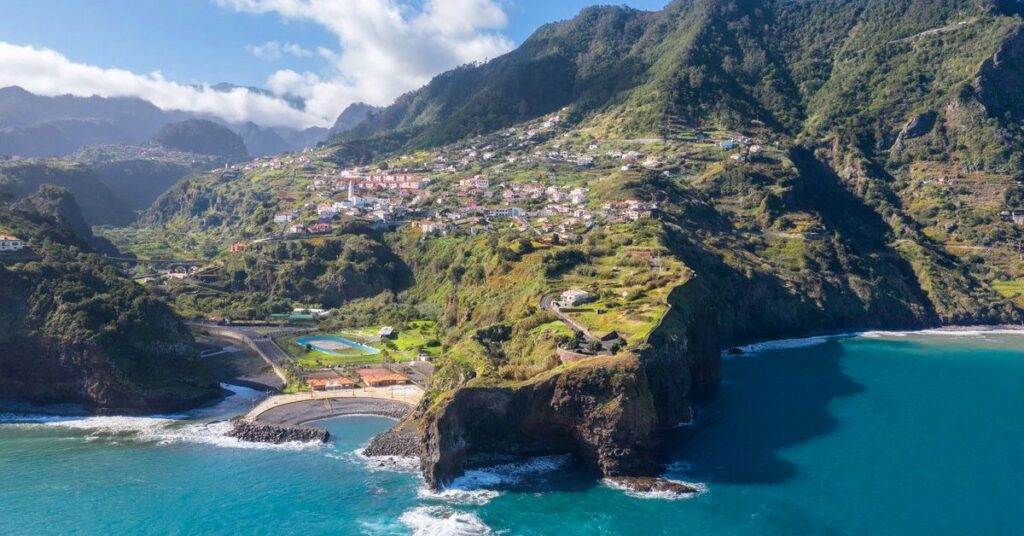
The north coast offers a more traditional island experience.
Expect:
- Rural villages
- Forest landscapes
- Mountain views
- Fewer crowds
It is a great choice for returning visitors.
A Perfect 7-Day Madeira Itinerary
A week is the ideal amount of time to experience Madeira’s highlights without rushing.
Day 1: Arrive in Funchal
Explore:
- Zona Velha (Old Town)
- Rua de Santa Maria
- Local restaurants
- Madeira wine bars
Dinner recommendation:
Try espada com banana, lapas and bolo do caco.
Day 2: Discover Funchal and Monte
Morning:
- Mercado dos Lavradores
- Funchal Cathedral
- Old Town streets
Afternoon:
- Cable car to Monte
- Monte Palace Tropical Garden
- Monte toboggan ride
Evening:
Visit Câmara de Lobos for traditional poncha.
Day 3: Sunrise Mountains and Pico do Arieiro
Early start:
- Pico do Arieiro sunrise
- PR1 mountain route (if conditions allow)
Afternoon:
- Relax in Funchal
- Explore local restaurants
Day 4: North Coast Road Trip
Drive through:
- São Vicente
- Seixal
- Porto Moniz
- Santana
Highlights:
- Black sand beach
- Lava pools
- Coastal viewpoints
- Traditional villages
Day 5: Levada Walk and Wildlife
Morning:
Choose a levada:
- Caldeirão Verde
- 25 Fontes
- Levada do Rei
Afternoon:
Whale watching from Funchal.
Day 6: Eastern Madeira
Explore:
- Ponta de São Lourenço
- Machico
- Santana
Finish with sunset views over the Atlantic.
Day 7: Final Morning in Madeira
Before your flight:
- Coffee in Funchal
- Last visit to the market
- Pick up Madeira wine or local products
Practical Madeira Travel Information
Getting to Madeira
Madeira is served by:
Cristiano Ronaldo Madeira International Airport (FNC)
The airport receives direct flights from many European cities, including:
- Dublin
- London
- Manchester
- Lisbon
- Porto
- Amsterdam
- Paris
Already dreaming about it? Book your flight now:
Getting from Madeira Airport to Funchal
Options include:
Aerobus
- Approximately 40 minutes
- Affordable option into central Funchal
Taxi
- Around 25–35 minutes
- Convenient after late arrivals
Rental Car
For exploring beyond Funchal, renting a car is highly recommended.
Madeira’s roads can be steep and narrow, but having your own vehicle allows access to:
- Mountain viewpoints
- Remote villages
- Levada trailheads
- North coast scenery
Do You Need a Car in Madeira?
You can visit Madeira without a car, especially if staying in Funchal.
However, a rental car makes the island dramatically easier to explore.
A car allows you to:
- Reach sunrise viewpoints early
- Explore hidden villages
- Visit multiple locations in one day
- Avoid relying on limited public transport schedules
For a first visit, renting a car for at least part of your trip is recommended.
Planning on exploring Madeira your own way? Compare rental cars below:
Best Time to Visit Madeira
Madeira is one of Europe’s best year-round destinations.
Spring (April to June)
Best for:
- Hiking
- Flowers
- Comfortable temperatures
Summer (July to August)
Best for:
- Whale watching
- Long sunny days
- Swimming
Expect more visitors.
Autumn (September to October)
Often considered the best overall period.
You get:
- Warm weather
- Fewer crowds
- Excellent hiking conditions
Winter (November to March)
A great escape from colder European weather.
Expect:
- Mild temperatures
- More rainfall
- Dramatic mountain conditions
Madeira Travel Guide FAQ
How many days do you need in Madeira?
A minimum of five days allows you to experience the highlights. Seven days is ideal for combining hiking, food, sightseeing and relaxation.
Is Madeira expensive?
Compared with many Western European destinations, Madeira remains relatively affordable. Accommodation prices vary significantly depending on location and season.
Is Madeira good for hiking?
Yes. Hiking is one of Madeira’s greatest attractions, with trails ranging from easy forest walks to challenging mountain routes.
Is Madeira suitable for families?
Yes. Many viewpoints, gardens, easy levadas and coastal attractions are suitable for families.
Do you need hiking permits in Madeira in 2026?
Yes. Classified hiking trails require advance booking and payment from 2026. Popular routes should be reserved before travelling.
Is Madeira worth visiting?
Absolutely. Madeira combines dramatic landscapes, excellent food, outdoor adventures and a mild climate into one of Europe’s most unique destinations.
The series: exploring Madeira in depth
This is the first post in a series dedicated to Madeira. The posts that follow go deeper into each aspect of the island:
- Madeira’s levada walks – every trail worth doing, the 2026 SIMplifica booking system explained, what to pack
- Eating in Madeira – espada, lapas, bolo do caco, Michelin restaurants, where to drink poncha properly
- Where to stay in Madeira – from Reid’s Palace to a north coast wellness retreat
- The best tours and activities in Madeira – whale watching, jeep safaris, sunrise hikes and the experiences worth booking before you arrive
- Madeira’s secret landscapes – the eight places the standard itinerary never reaches
- Why Madeira is the most underrated island in Europe – the editorial case for why this island belongs at the top of every serious traveller’s list
Each post links back to this one as the starting point. If you are planning a trip, start here and follow the threads that interest you most.
Read the series. Then book the flight.
Some links in this post are affiliate links. If you book through them, flight.now earns a small commission at no extra cost to you. Learn more here